

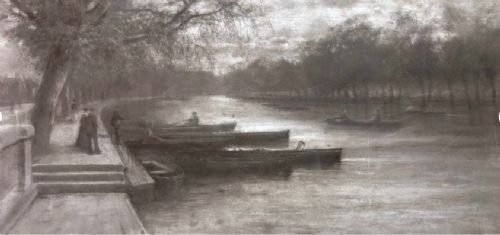
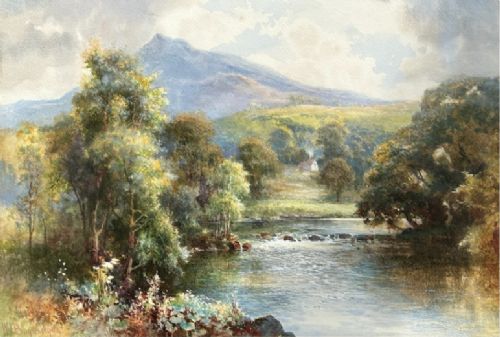
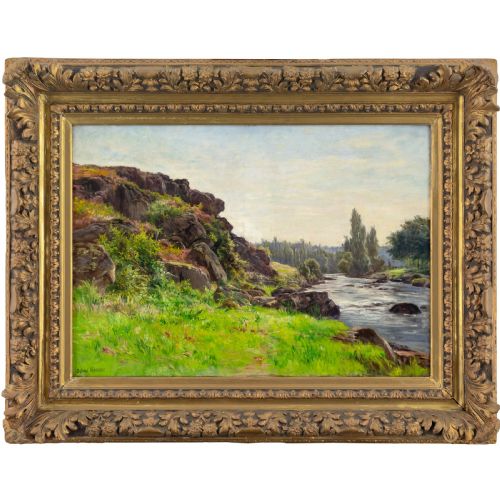
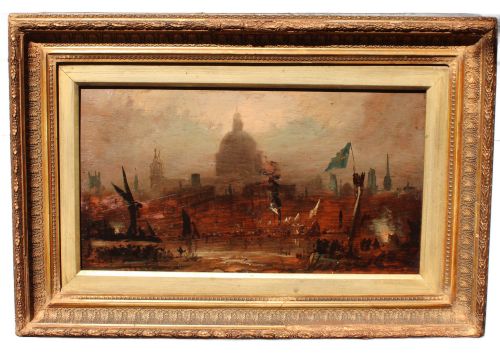
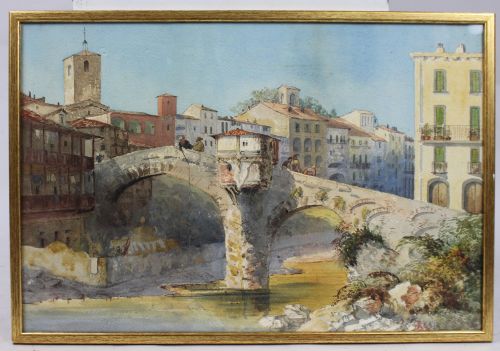
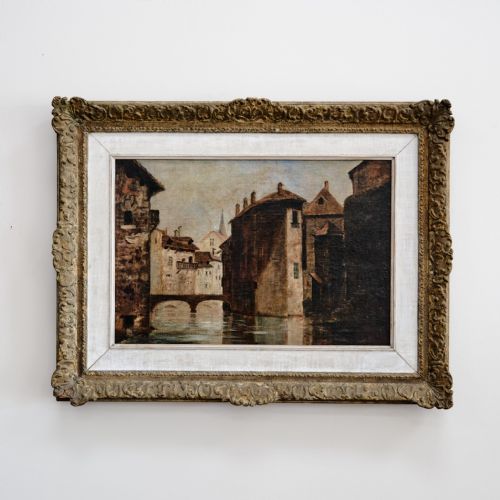
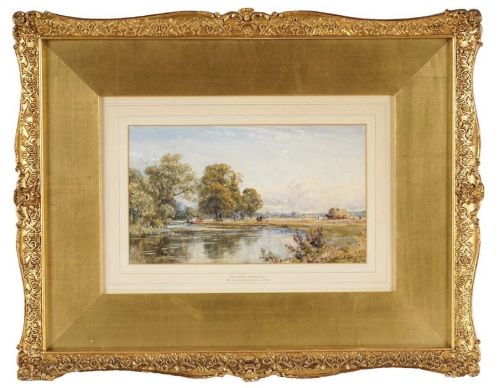
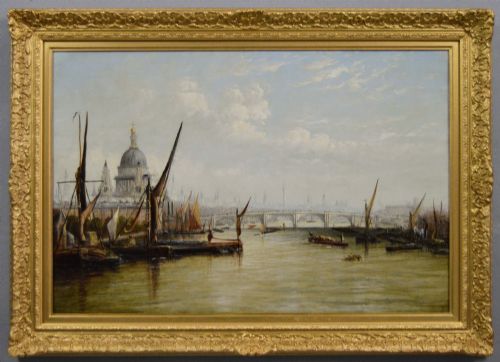
Framed River Landscape Painting
These framed river landscape painting examples capture flowing water and quiet banks, offering a calm window into the countryside that collectors prize for home display.
What a framed river landscape painting is
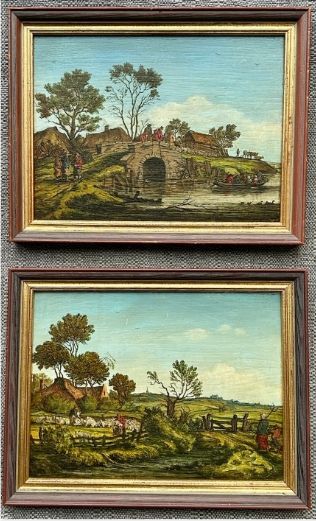
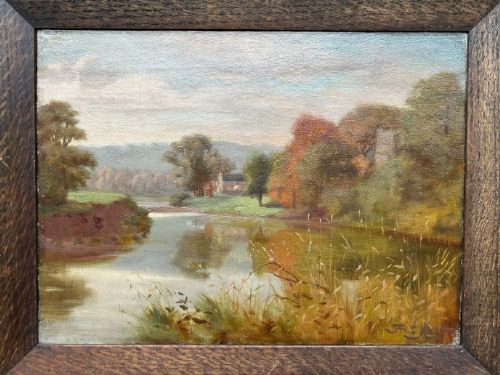
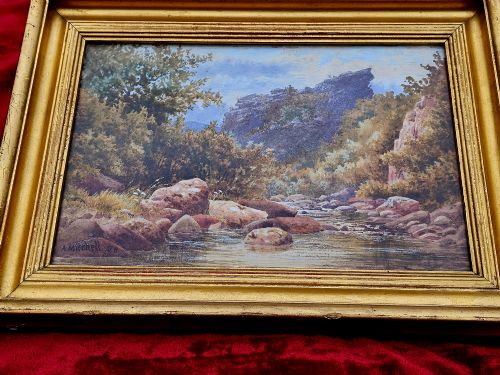
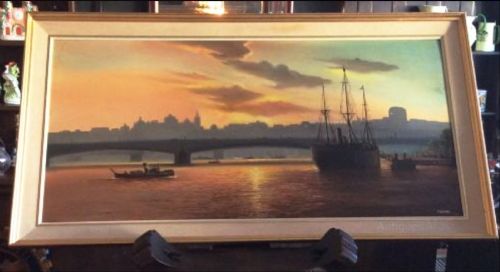
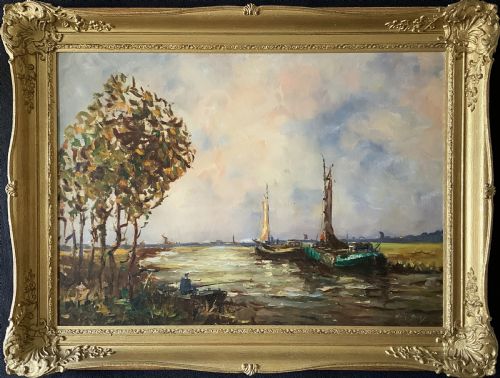
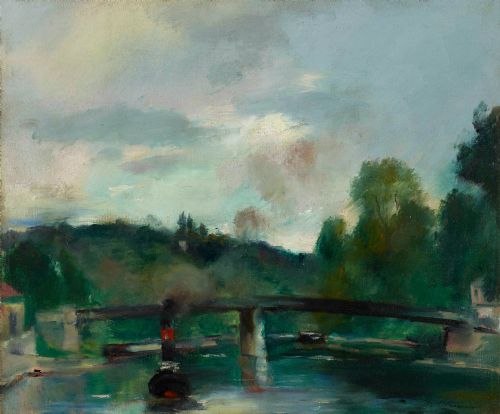
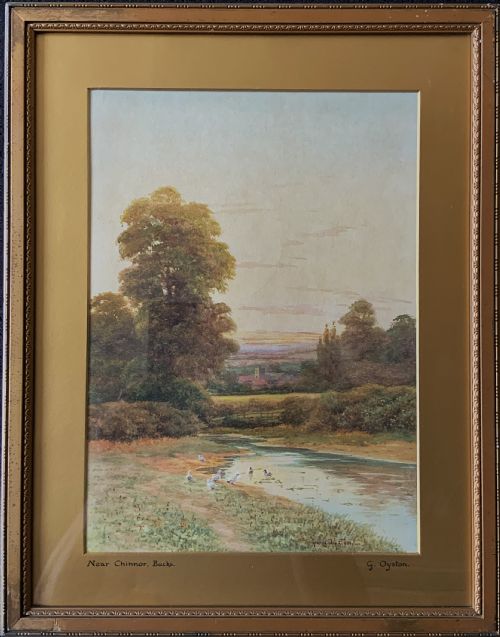
A framed river landscape painting depicts natural waterways, rural banks and pastoral scenes set within protective wooden or gilded surrounds. These works capture rivers, bridges and cattle watering scenes across different periods and regional schools.
You are most likely to meet examples spanning the eighteenth century through the early twentieth century on this page. These pieces include both watercolours on paper and oil paintings on canvas by named artists and regional British or Irish makers.
How they were made
Makers applied oil paint or watercolour to canvas, paper or wood panels, often capturing light on water and rural vegetation. Protective glass frequently covers works on paper, while oil paintings on canvas remain exposed within their frames.
Moulded wood and gilt frames house the painted scenes, providing structure and decorative borders. These frames utilise traditional joinery and finishing techniques appropriate to their respective periods.
Retail Price Guide 2026
Typical UK retail prices for framed river landscape painting, calculated from the Sellingantiques database of over a million retail prices indexed since 2003. This retail price guide relies exclusively on Sellingantiques data; no external sources or auction records are used, so the figures do not describe the wider market.
Several cattle have spent over a century patiently standing in rivers waiting for their portraits to finish drying.
What varies in quality
The sophistication of brushwork and the handling of atmospheric light separate finer works from simpler decorative pieces. Skilled hands capture the movement of water and the depth of riverbanks with greater nuance and balance.
The craftsmanship and originality of the surrounding frame also influence the overall character of the piece. Period frames that complement the painting without later alteration contribute to a more cohesive historical object.
J Phipps·Alfred Grey RHA·Nasmyth·Sir David Murray·P Foley·S Bentley·Sir H B Bacon
The Framed River Landscape Painting Glossary
- Canvas
- A heavy woven fabric stretched across a wooden frame to serve as a sturdy support for oil paint. It provides a textured surface that holds thick layers of pigment.
- Gilt
- A thin layer of gold leaf applied to the wooden surface of a frame for decorative enhancement. This finish adds brightness and historical authenticity to the surrounding structure.
- Watercolour
- A painting method where fine pigments are suspended in a water-based solution on paper. It creates luminous, translucent washes that highlight delicate landscapes.
- Bothy
- A small rustic stone cottage found in remote rural areas, often depicted in Scottish countryside scenes. These shelters add a sense of human presence to wild river views.
Frequently Asked Questions
How do I hang a heavy oil painting?
Ensure you fix your wall mount directly into a stud or utilise a heavy-duty plaster anchor capable of supporting the weight of the wood and canvas.
Use robust picture wire attached securely to the original D-rings on the back of the frame to keep the piece level.
What rooms suit a river landscape?
Living rooms and studies benefit from the calm, reflective nature of flowing water scenes, creating a relaxed focal point above a mantelpiece or desk.
Keep these paintings away from direct sunlight and damp environments like bathrooms to protect the canvas, paper and gilt frames from deterioration.
How do I spot an original frame?
Inspect the corners and back edges of the wood for period joinery methods, aged patination, and the natural wear consistent with the age of the painting.
Look for historic fixings and nails that match the era of the artwork rather than modern metal screws or fresh gilt paint.