


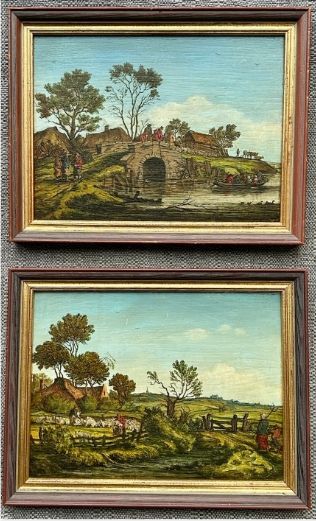
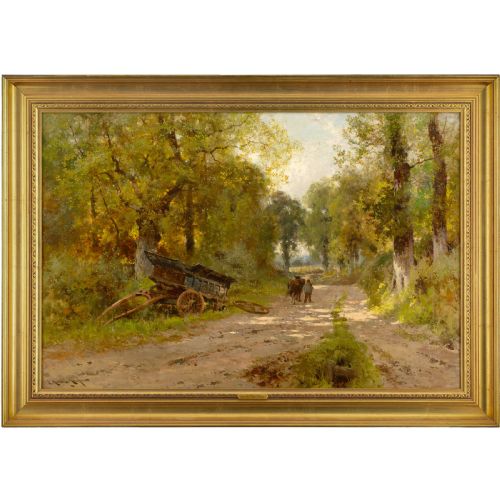

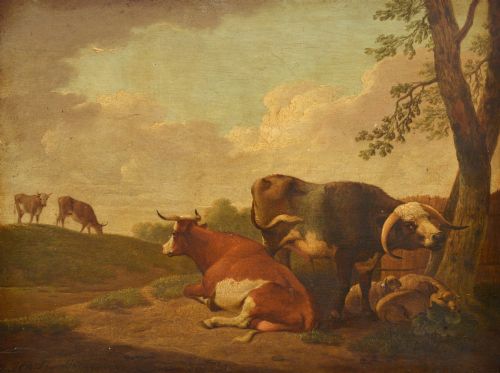
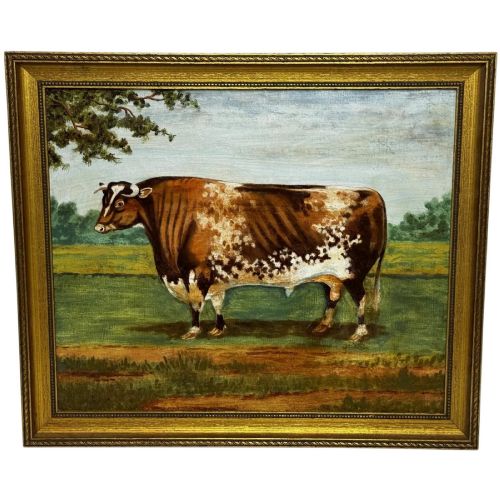

Traditional Pastoral Oil Painting
Traditional pastoral oil painting captures the quiet rhythm of rural life through the enduring mediums of canvas, wood panel, and oil paint.
Traditional Pastoral Oil Painting
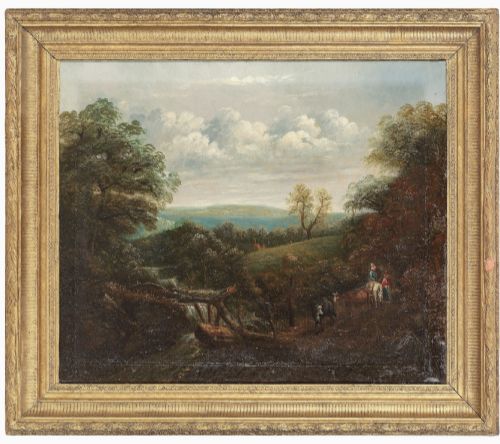
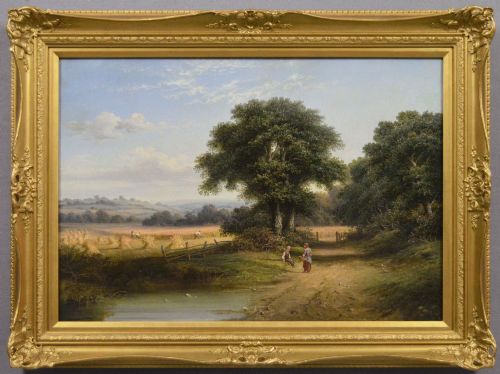
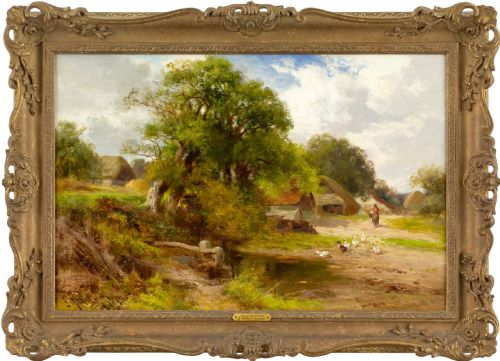
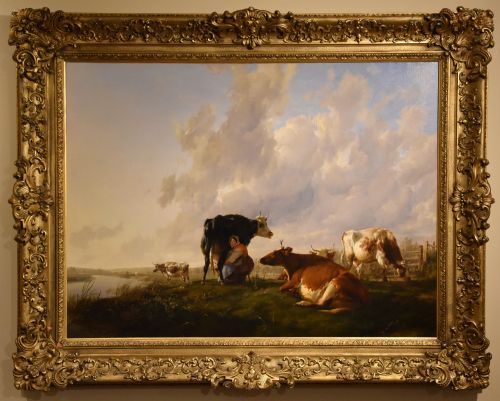
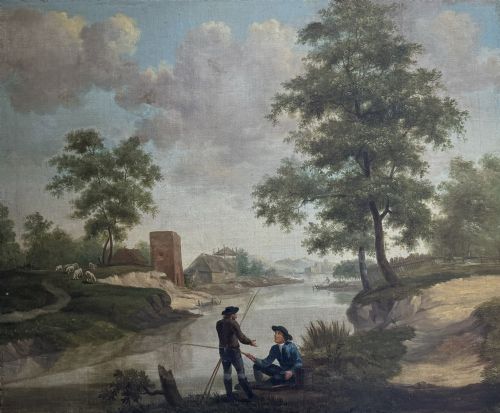
Traditional pastoral oil painting depicts rural scenes populated by livestock, figures, and quiet country lanes across Britain and Europe. These works capture agricultural life, riverbanks, and highland vistas through the lens of nineteenth and early twentieth-century realism.
The pieces on this page span the Victorian and Edwardian eras, reaching back through the Georgian period into the eighteenth century. Most works present British and Scottish landscapes, alongside continental Flemish and Italian compositions.
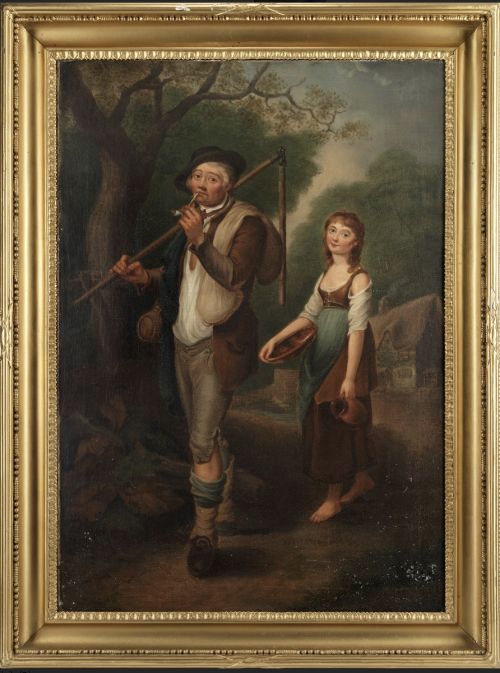
Common subjects include cattle at rest, sheep grazing by lochs, milkmaids, and thatched cottages set within woodland or riverside settings. Buyers encounter both signed canvases by named artists and works attributed to regional British schools.
How They Were Made
Artists applied oil paint using fine brushes and palette knives, building up layers of pigment to achieve depth in foliage, water, and animal coats. The vehicle for this pigment was oil, which allowed for slow drying times and subtle blending of colour.
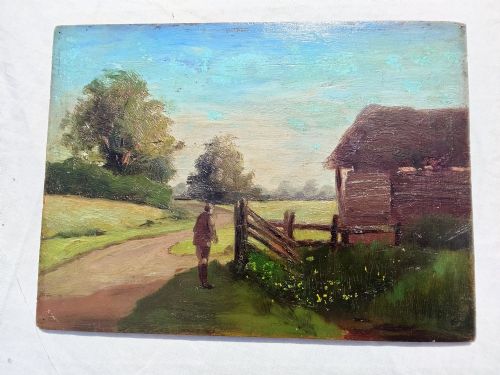
Supports varied between stretched canvas and rigid wooden panels or wooden boards, each offering a distinct surface resistance for the painter's hand. Canvases permitted larger compositions, while panels provided a stable ground for detailed brushwork.
Many surviving examples retain their original giltwood and gesso frames, which were carved and gilded to complement the warm tones of the pastoral scenes.
The selection includes depictions of shorthorn cattle, highland sheep, figures by rivers, and cottages across British and European landscapes.
What Varies in Quality
The strength of a traditional pastoral oil painting rests in the handling of light and the anatomical conviction of the figures and animals. Superior works reveal confident brushwork that defines the texture of wool, hide, and water without stiffness.
Compositional balance distinguishes the finest pieces from routine production, guiding the viewer's eye purposefully through the landscape toward cottage or cattle. Strong tonal contrast creates atmospheric depth, separating foreground foliage from distant skies.
The integrity of the original surface, preserved beneath stable varnish layers with minimal overpainting, marks the better-surviving examples in any collection.
Tom Campbell·John Horace Hooper·William Joseph Shayer Senior·Hendrik Willem Schweickhardt·Thomas Sidney Cooper·Robert Watson·William Watson Jnr·Johann Friedrich Voltz·Henry Schouten·George Morland·William Henry Mander·Thomas Baker of Leamington·John Sanderson Wells
The Traditional Pastoral Oil Painting Glossary
- Canvas
- A heavy woven fabric stretched across a wooden frame to serve as a support for oil paint. It provides a flexible surface that responds to atmospheric changes.
- Gesso
- A traditional primer mixture of gypsum, chalk, and size applied to wood panels or frames to create a smooth surface for painting or gilding. This preparation seals the wood and holds fine detail.
- Giltwood
- Timber carved and coated with a thin layer of gold leaf or metal powder. This material frames many nineteenth-century works to enhance their visual warmth.
- Panel
- A flat piece of wood used as a rigid support for painting instead of fabric. Panels offer exceptional stability for smaller works.
- School
- A group of artists working in a similar style or region during a specific period. This term often denotes followers of a regional tradition rather than a formal academy.
Traditional Pastoral Oil Painting: Frequently Asked Questions
How do I identify a Victorian pastoral painting?
Victorian pastoral paintings typically display detailed realism, focusing on rural labour, livestock, and British landscapes framed in heavy giltwood. Artists of this period favoured narratives of agricultural life and domestic animals.
Examination of the canvas weave, stretcher bars, and framing style often confirms the nineteenth-century origin of the work alongside any signatures or biographical dates of the painter.
What is the difference between canvas and wood panel supports?
Canvases are woven textiles stretched over wooden frames, yielding slightly to the touch and accommodating larger compositions. Wood panels are rigid supports that prevent the cracking sometimes found in aged fabric.
Painters working on wood panels often achieved finer detail, whilst canvas works benefited from the texture of the weave showing through thinner paint applications.
Where should I hang a pastoral oil painting?
These works suit dining rooms, libraries, and drawing rooms where traditional interior schemes complement the warm earth tones of the landscape. Natural indirect light enhances the layered oil pigments without causing glare on the varnished surface.
Placement should avoid direct sunlight and damp walls to protect the integrity of the canvas, wood panel, and original gesso frame.
How do regional schools influence the style?
Regional schools, such as the Norwich School or the British and Flemish traditions, imparted distinct palettes and brushwork to their followers. Local topography and prevailing weather conditions shaped how artists rendered skies, foliage, and grazing animals.
Comparing brush techniques and subject matter helps connect an unsigned piece to a specific geographic tradition or historical workshop.