



19th Century English School
Exploring 19th century english school brings together evocative oil paintings, delicate watercolours, and precision timepieces that capture the character of the era.
19th Century English School
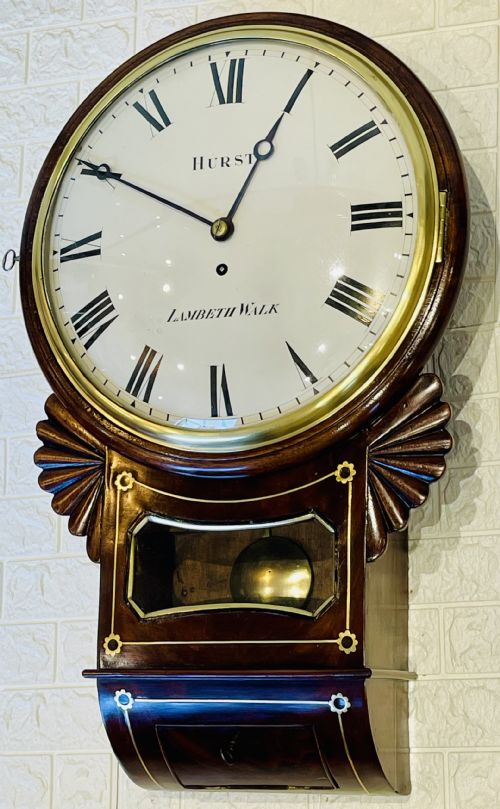
When searching for 19th century english school, buyers encounter a diverse selection of fine art and functional objects originating from the Georgian, Regency, and Victorian periods. The offerings heavily feature oil paintings on canvas or wooden board, detailed watercolour studies, and wall clocks housed in mahogany or rosewood cases.
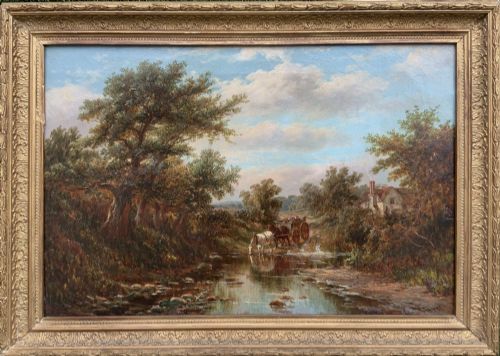
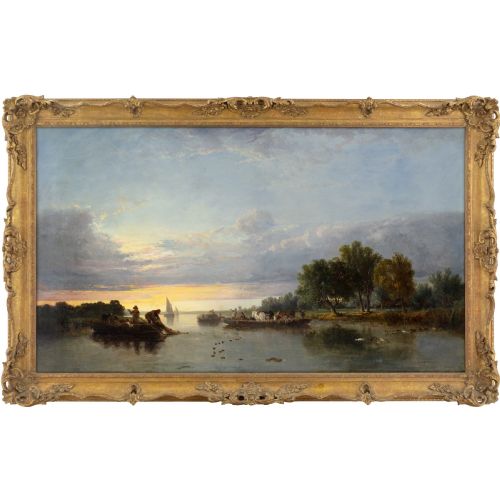
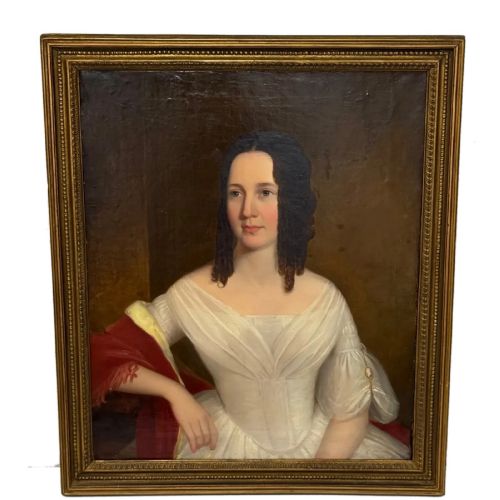
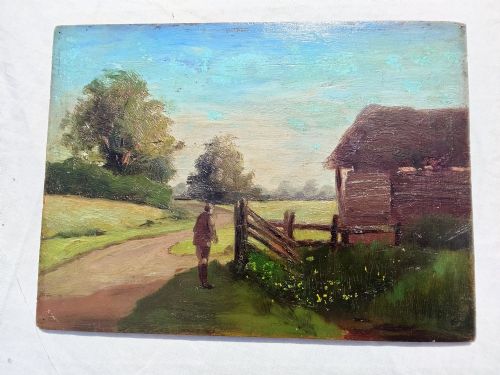
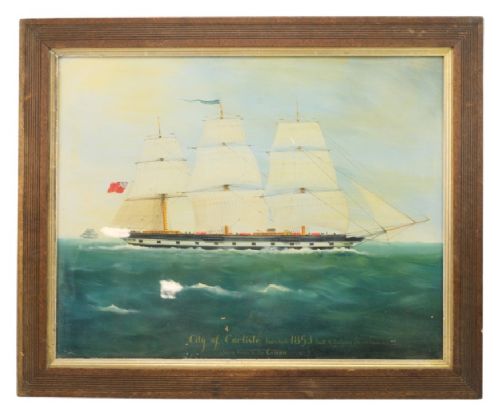
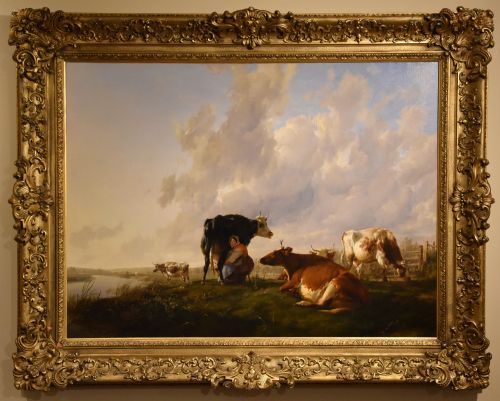
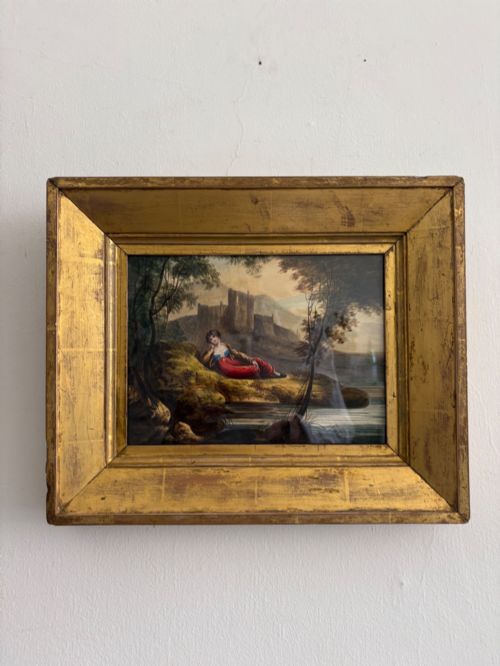
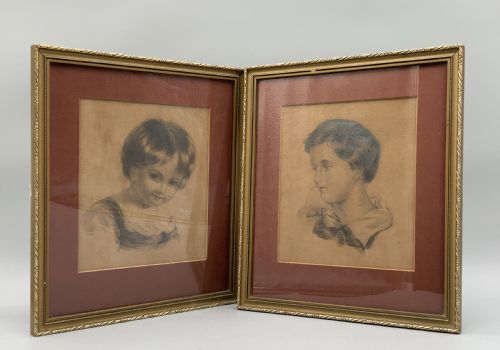
The category spans atmospheric landscapes, seascapes, botanical studies, and formal portraits created by both named artists and anonymous practitioners. Portraiture and pastoral scenes dominate the selection, often reflecting romanticism or realism influenced by British art movements of the time.
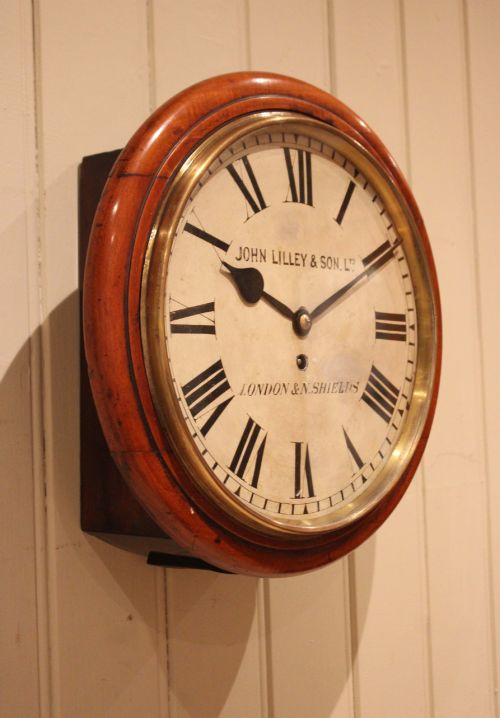
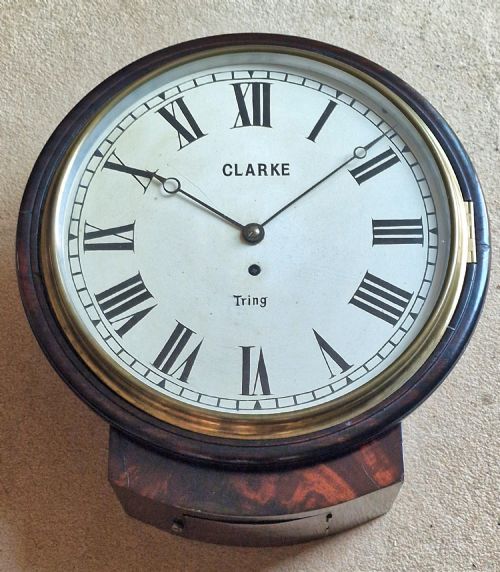
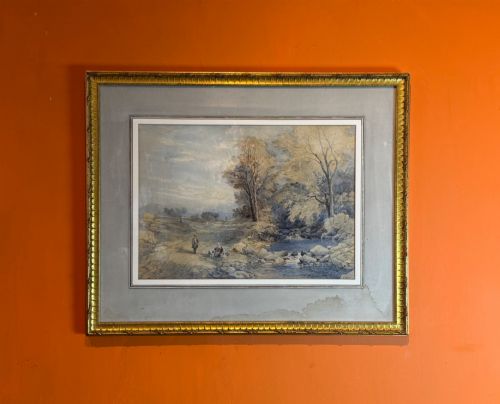
Buyers are most likely to meet original landscape paintings depicting rivers, coastal towns, and countryside estates, alongside fusee dial clocks designed for wall mounting. These works offer a direct window into the domestic and artistic life of nineteenth-century Britain.
Materials and Construction Techniques
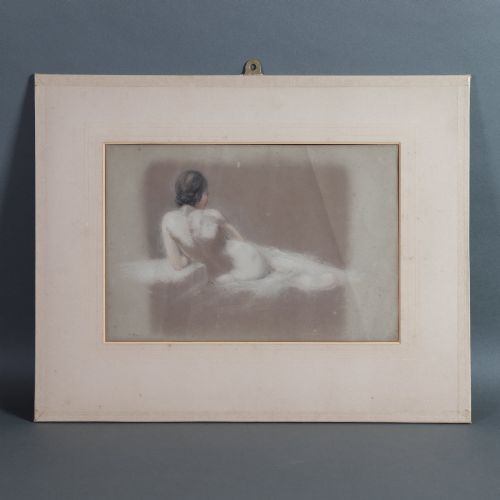
Painters of this era utilised oil paint on stretched canvas, wooden boards, and heavy paper, frequently combining watercolour and gouache for botanical and illustrative works. Frames were constructed from giltwood and ornamented with period mouldings to complement the artwork.
Horological pieces relied on robust brass mechanisms, specifically fusee movements housed within solid mahogany, rosewood, or painted wooden dial surrounds. These materials ensured reliable timekeeping and structural longevity for wall-mounted timepieces.
Makers applied traditional mounting techniques, securing canvases with hand-cut tines and framing watercolours behind protective glass with matting boards that preserved the delicate pigments.
Listings feature oil paintings, watercolours, and wall clocks spanning the Georgian, Regency, and Victorian periods.
Factors Defining Quality
The fineness of brushwork and the precision in capturing light and anatomical proportion separate standard decorative works from superior artistic achievements. Superior paintings display confident handling of tone and perspective, particularly in complex subjects like figures and horses.
In timepieces, the complexity of the internal fusee movement and the crispness of the painted wooden or metal dial indicate higher workshop standards. Original matching components and clean joinery in the surrounding timber case elevate the standard of a clock.
The depth and preservation of the original giltwood frames or mountings also influence the overall standard, as untouched period housings complement the authenticity of the piece inside.
William Etty·Benjamin Barker of Bath·Sir Thomas Lawrence·Thomas Sidney Cooper·David Cox·James Hayllar·Thomas Baker of Leamington·Sidney Richard Percy
The 19th Century English School Glossary
- Fusee
- A conical pulley used in clockmaking to maintain even tension on the mainspring as it unwinds. This mechanism ensures consistent timekeeping across an eight-day period.
- Giltwood
- Wood that has been coated with a thin layer of gold leaf or gilt powder. It is commonly found on ornate picture frames from the Regency and Victorian eras.
- Gouache
- An opaque water-based paint mixed with a fine white pigment, giving colours greater density. Artists used it alongside watercolours to create botanical and landscape studies.
- Dial clock
- A wall-mounted clock featuring a prominent circular face enclosed by a wooden surround. These functional pieces were widely used in public spaces and domestic halls.
- Provenance
- The documented history of ownership of an antique object. Establishing provenance helps verify the origin and authenticity of period paintings and timepieces.
19th Century English School: Frequently Asked Questions
What defines an English School painting?
An English School painting refers to a work produced by an artist trained or working within Britain during a specific historical period. These pieces often reflect prevailing national styles such as Romanticism, pastoral realism, or portraiture without necessarily being attributed to a single famous master.
Such works provide insight into regional landscapes, domestic scenes, and societal portraits of the era. They range from highly polished academy submissions to charming, informal studies by lesser-known hands.
How do fusee wall clocks work?
Fusee wall clocks rely on a spring-driven mechanism connected to a conical drum via a fine chain or cord. As the mainspring unwinds, the chain moves across the wider sections of the cone to compensate for the decreasing power.
This ingenious mechanical setup allows the clock to maintain steady accuracy throughout its operational cycle. Most examples require a key to wind the movement at regular intervals.
Where were these paintings displayed originally?
Nineteenth-century paintings were primarily created to adorn the parlours, drawing rooms, and studies of British homes. Larger canvases often hung in country estates and institutional buildings to showcase family lineage or local scenery.
Smaller watercolours and botanical studies were frequently kept in portfolios or displayed in intimate sitting rooms. Their subjects were chosen to reflect the personal tastes and refined interests of Victorian collectors.
How should I care for period watercolours?
Period watercolours require protection from direct sunlight to prevent the pigments and paper from fading over time. Maintaining stable indoor humidity levels also safeguards the paper and prevents warping within the frame.
When hanging these works, choose interior walls away from direct heat sources and damp environments. Professional framing with acid-free backing materials helps preserve the paper for decades to come.