

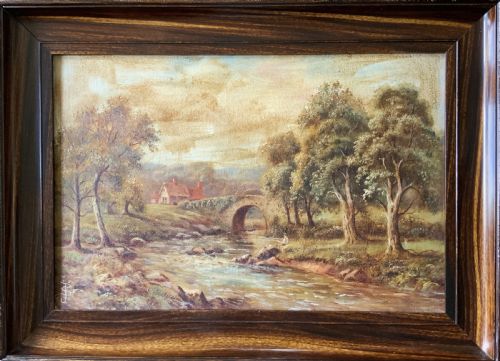


Victorian River Landscape Oil
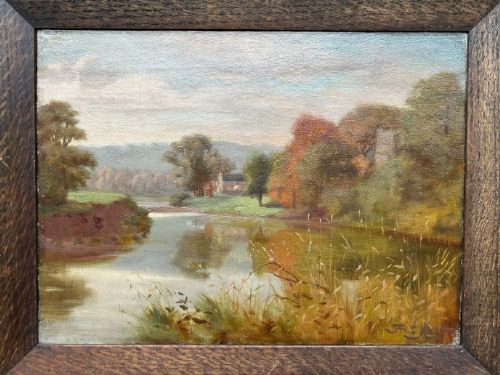
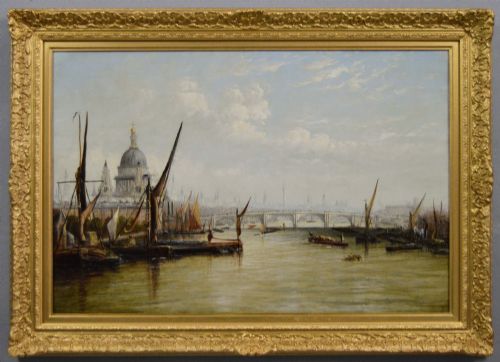
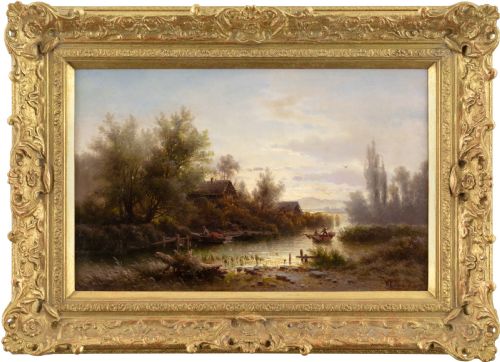
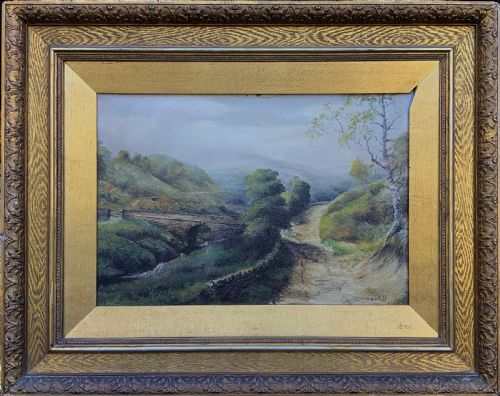
A victorian river landscape oil captures the watercourses of nineteenth-century Britain and Europe through the layered pigment of oil on canvas.
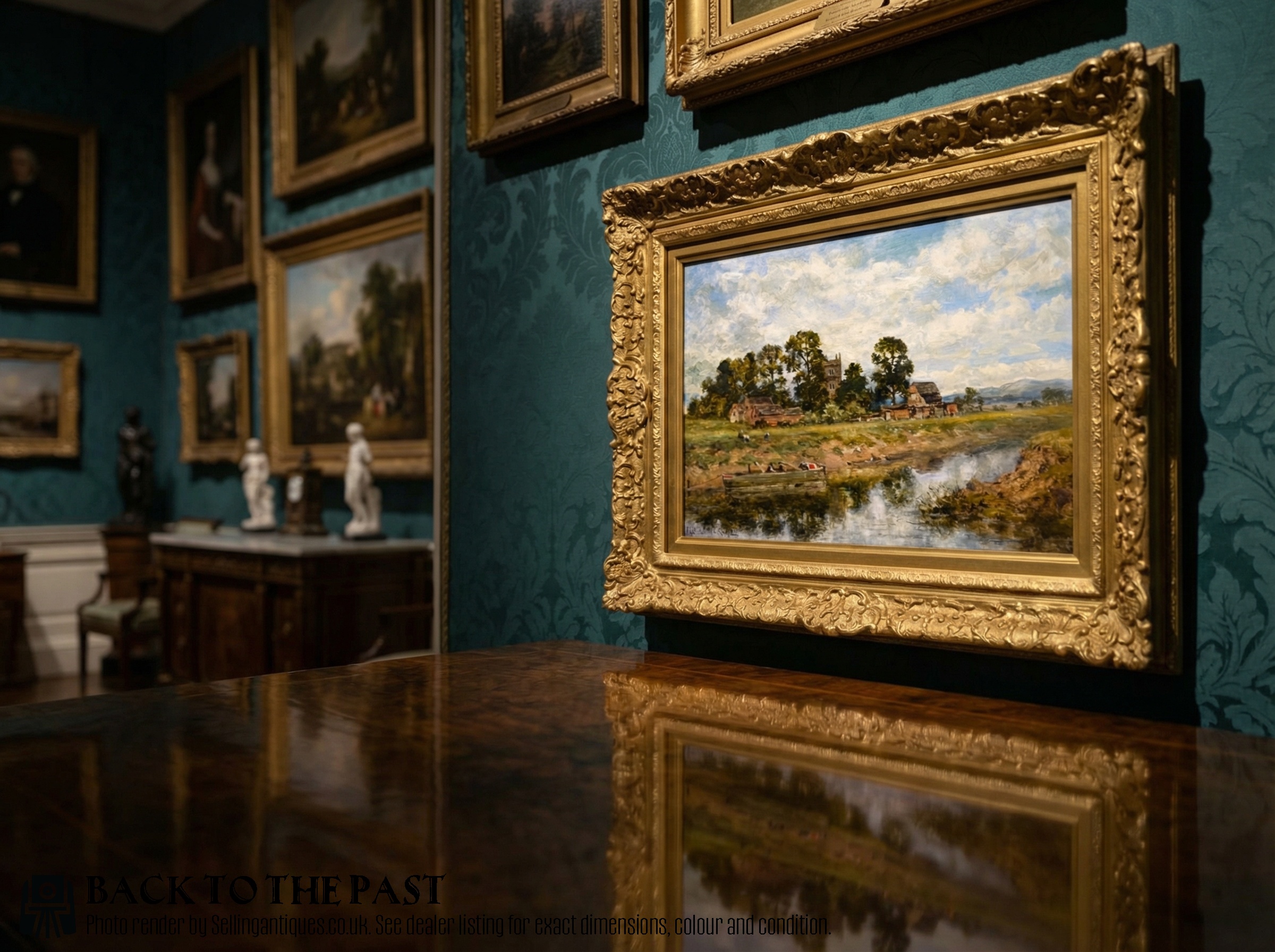
Victorian River Landscape Oil
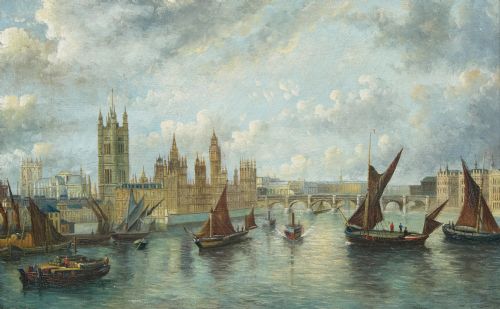
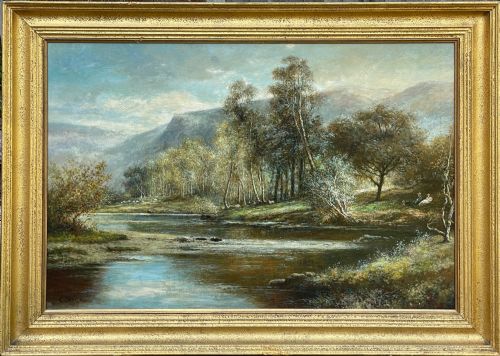
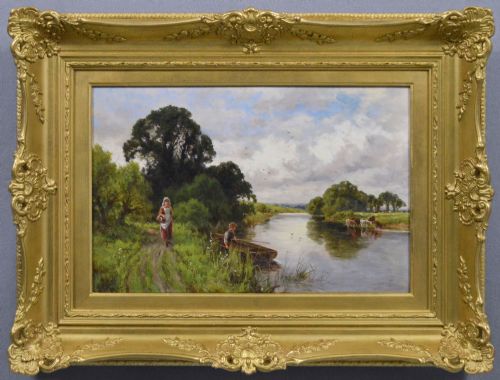
A victorian river landscape oil depicts waterways ranging from the Thames in London to mountain streams in Wales and Scotland, painted across the nineteenth century and into the Edwardian era. These works frequently record specific locations such as the River Severn, the Stour, or Highland glens, often populated by figures, boats, or livestock. Canvas and wood panel serve as the primary supports for these compositions.
The aesthetic embraces Victorian naturalism, pastoral scenes, and nineteenth-century realism, reflecting contemporary attitudes toward the countryside. Paintings from this tradition capture morning moods, autumn woodlands, and placid locks under changing light. Surviving examples include both signed cabinet pieces by named artists and unsigned works attributed to the British School.
How They Were Made
Painters applied oil paint to stretched canvas or wooden panels, building up texture and depth through successive layers of pigment. Brushes of varying fineness rendered the translucent movement of water, the foliage of trees, and atmospheric skies.
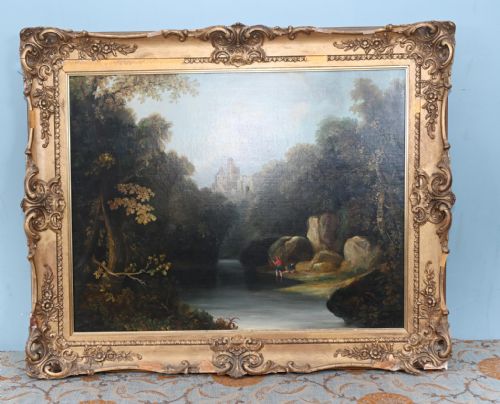
Many works retain their original frames constructed from wood, gesso, and gold leaf, occasionally featuring elaborate cast plaster ornamentation. Milk glass also appears as an uncommon ground for pigment in specific pastoral subjects.
Several river views capture horses pausing for a drink while ducks navigate nineteenth-century lock gates.
What Varies in Quality
The strength of a victorian river landscape oil rests upon the artist's command of light, brushwork precision, and the anatomical accuracy of figures or animals integrated into the view. Finer examples display subtle tonal transitions in the rendering of water and sky, whereas lesser works rely on formulaic foliage and rigid composition.
The integrity of the original frame and the preservation of the canvas surface contribute to the standing of an individual painting. Works by recorded members of royal academies or established regional schools command greater recognition than anonymous academic exercises.
Francis Moltino·Albert Rieger·Henry H Parker·Sydney Yates Johnson·John Ferneley Senior·Charles William Wyllie·Alexandre Le Bihan·Thomas Baker of Leamington·Alfred Augustus Glendening Jnr·William Sydney Cooper·Stanley Leader·George Vicat Cole·Thomas Spinks·Robert John Hammond·Clarence Henry Roe·George Hilditch·Sidney Richard Percy·Frank Hider·Robert Thorne Waite·William Mellor·Walter J Watson·James Gunson Atkinson·Benjamin Williams Leader·James Edward Grace·Julius Hare
The Victorian River Landscape Oil Glossary
- Gesso
- A plaster-like mixture applied to wooden frames or panels to prepare the surface for gilding or painting. It provides a smooth foundation for intricate moulded details.
- Giltwood
- Wood carved and coated with gold leaf or metallic powder. This material frequently frames nineteenth-century paintings.
- Tondo
- A circular work of art, whether a painting or a relief. These round compositions offer a distinct alternative to traditional rectangular formats.
- Pastoral
- Relating to the countryside, rural life, and domestic animals. This genre presents an idealized view of agricultural existence.
Victorian River Landscape Oil: Frequently Asked Questions
Where were these river views painted?
Artists travelled across Britain and continental Europe to record specific waterways, ranging from urban stretches of the Thames to remote streams in North Wales and Scotland. Many canvases identify exact locations in their titles, such as the River Severn or the River Stour.
Local topography dictated the composition, capturing bridges, locks, mills, and surrounding pastoral hillsides as observed during the nineteenth century.
How do I identify the period of a landscape?
Stylistic markers such as Victorian naturalism, clothing styles of any figures present, and framing techniques help determine the era. Pigment analysis and stretcher construction also provide chronological clues.
Signatures, dates inscribed on the reverse, and artist exhibition records offer the most precise dating evidence for these works.
How should I care for an oil painting?
Display the canvas away from direct sunlight and fluctuating humidity to prevent the paint layer from cracking or warping the support. Keep the environment stable.
Dust the surface gently with a soft, dry brush and avoid applying liquid cleaners directly to the painted canvas or the gilded frame.
Why are some paintings executed on panel?
Wood panels provided a rigid, stable support favoured by painters who preferred a smooth, resistant surface for detailed brushwork. Oak and mahogany boards appear frequently in nineteenth-century practice.
Panel paintings eliminated the risk of canvas slackening over time, though they required careful seasoning of the wood to prevent splitting.