




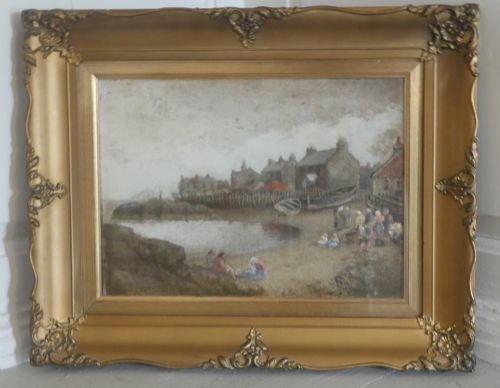
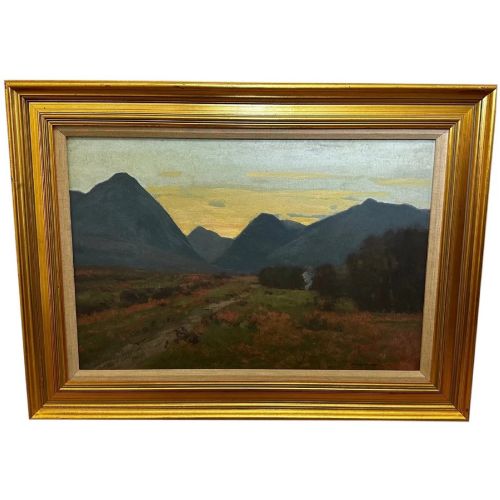
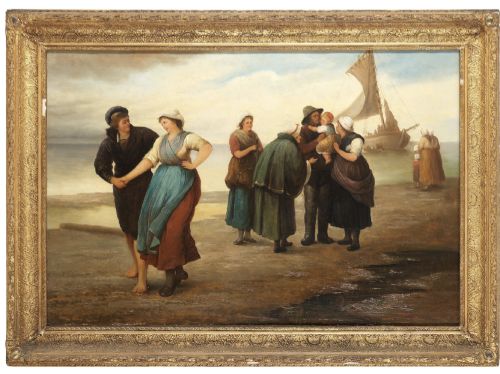
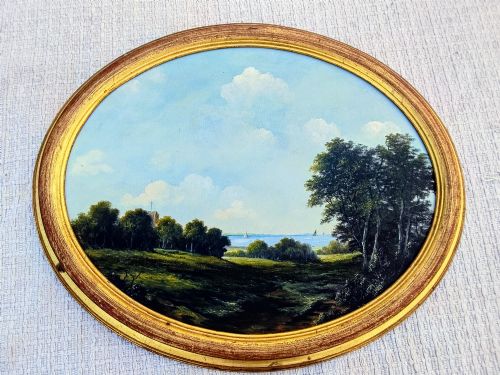
Antique Oil Landscape Picture
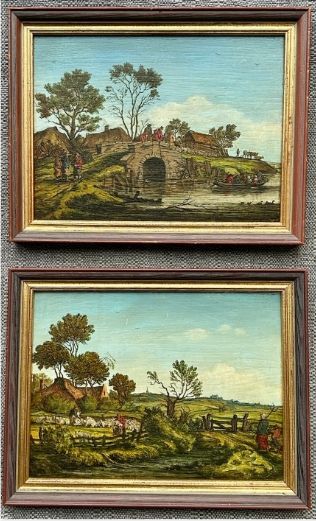
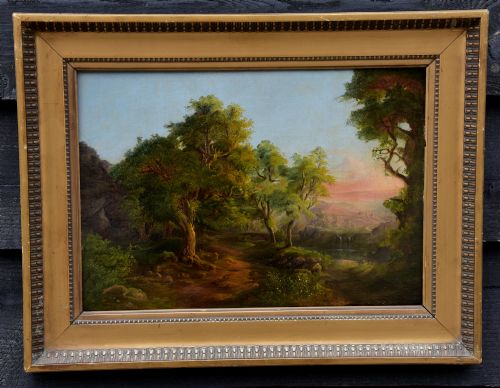
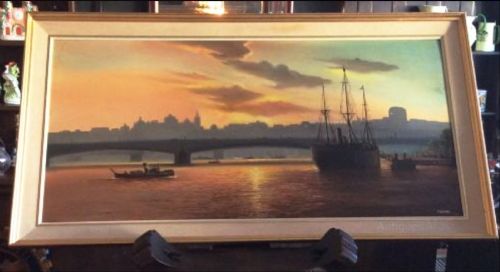
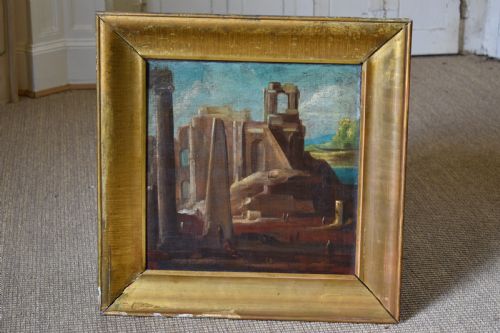
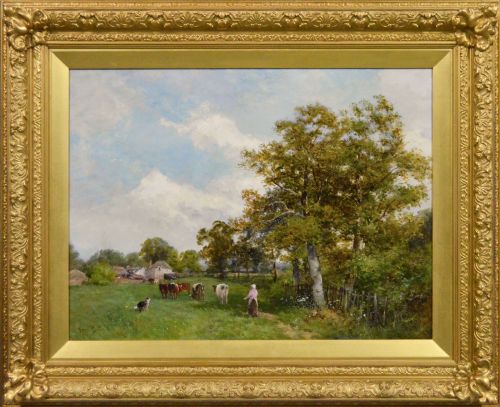
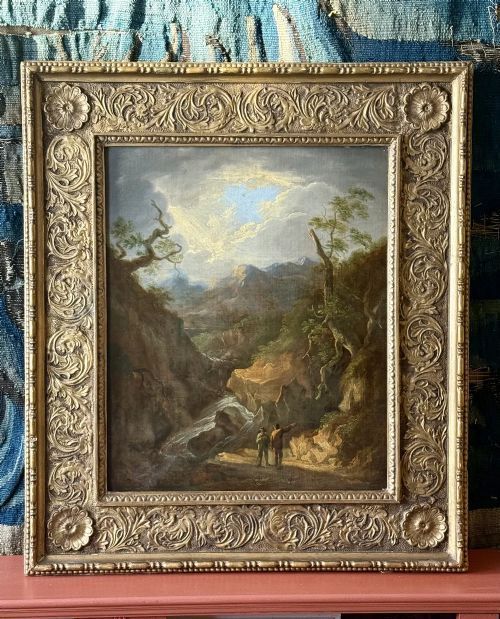
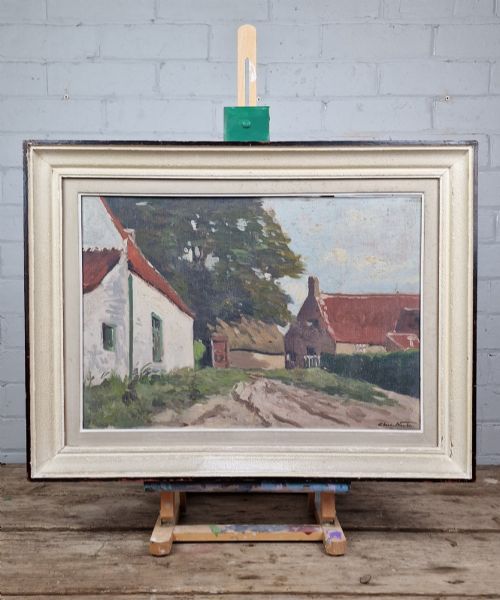
When you search for an antique oil landscape picture, you are looking at original painted views on canvas, panel or board dating from the nineteenth and early twentieth centuries.
Antique Oil Landscape Picture
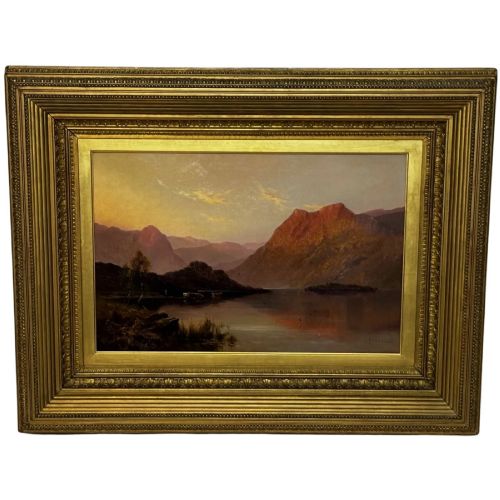
An antique oil landscape picture brings centuries of rural, maritime and mountain scenery into a room, captured by artists working in British, French, Belgian and Dutch traditions. You will most frequently encounter nineteenth century and Victorian examples depicting woodland paths, Highland lochs, river scenes and pastoral farmyards.
The subjects range from grand panoramic views to quiet provincial corners, often framed in period gilt wood. These works document changing tastes in realism, romanticism and impressionism across the Georgian, Victorian and Edwardian eras.
How They Were Made
Artists built these compositions using oil paint applied to woven canvas, wooden panels, board or card. The physical support often dictates the texture and preservation of the pigment over time.
Many works retain their original decorative surrounds, utilising gilt wood or giltwood frames that complement the depth of the painted surface.
Several cows and sheep appear to be holding management meetings in rural pastures across these pastoral scenes.
What Varies in Quality
The strength of a composition rests on the artist's handling of light, atmospheric perspective and brushwork. Superior examples display confident command over tone and naturalism, whereas simpler provincial pieces rely on naive charm.
The integrity of the original surface and the harmony of the framing contribute significantly to the standing of any given piece.
William H Myers·W Klombeck·William Howard Hardy·Alfred Fontville de Breanski Jr·George Houston·David Bates·Benjamin Barker of Bath·Charles Houben·Walter Heath Williams·Francis Moltino·John Horace Hooper·Harald Foss·John Hodgson Lobley·Robert Watson·John Wilson Carmichael·Albert Rieger·Maud Raphael Jones·Joseph Farquharson·Charles Leslie·Henry Yeen King·T C Hofland·T Bergman·Henry Schouten·Frederik Christian Kiærskou·F E Jamieson
The Antique Oil Landscape Picture Glossary
- Oil on Canvas
- A traditional painting medium where oil paints are applied to a stretched woven fabric support. This combination allows for rich blending and textured impasto application.
- Gilt Wood
- Carved wood treated with gold leaf or a gold-coloured metallic finish used for picture frames. It provides a reflective border that isolates and enhances the painted scene.
- Board
- A rigid flat support used by artists in place of stretched canvas. It offers a stable surface favoured for smaller plein air studies and provincial works.
- Panel
- A solid wooden support prepared for painting. Panels prevent the flex associated with fabric and often survive from earlier continental schools.
- Realism
- An artistic movement focused on depicting subjects truthfully without artificiality. In landscapes, this translates to accurate observation of light, weather and topography.
Antique Oil Landscape Picture: Frequently Asked Questions
How do I date an antique oil landscape?
Dating relies on stylistic clues, framing methods, and the physical characteristics of the canvas or panel. Pigment analysis and stretcher construction also offer reliable chronological markers.
Inscribed signatures, labels on the reverse, and biographical details of the artist help narrow the period further.
Where should I hang an oil landscape?
Choose a wall away from direct sunlight and steady moisture sources to protect the painted surface and the gilt frame. Stable indoor temperatures prevent warping in wooden panels and canvas slackening.
Position the picture at eye level to best appreciate the brushwork and perspective of the scene.
How do I clean an oil painting?
Dust gently with a soft, dry brush to remove surface particles without disturbing the varnish layer. Avoid household cleaners, water, or solvents on the painted surface.
Professional conservation is recommended for removing accumulated grime or repairing historical damage to the canvas.
What is the difference between canvas and board?
Canvas is a flexible woven fabric stretched over a wooden frame, yielding a characteristic textile texture. Board is a rigid, flat substrate that provides a completely solid backing for the pigment.
Both supports were used across different periods, with board frequently appearing in smaller outdoor studies.