



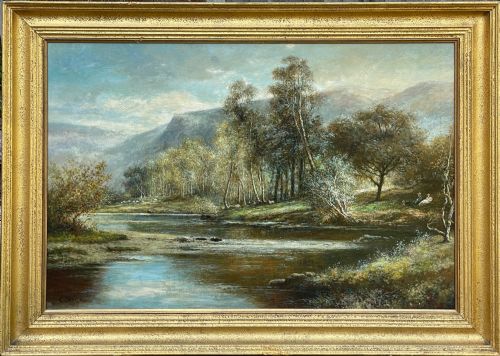
19th Century River Painting
A 19th century river painting captures the restless movement and quiet banks of historic waterways through the eyes of Victorian and continental artists.
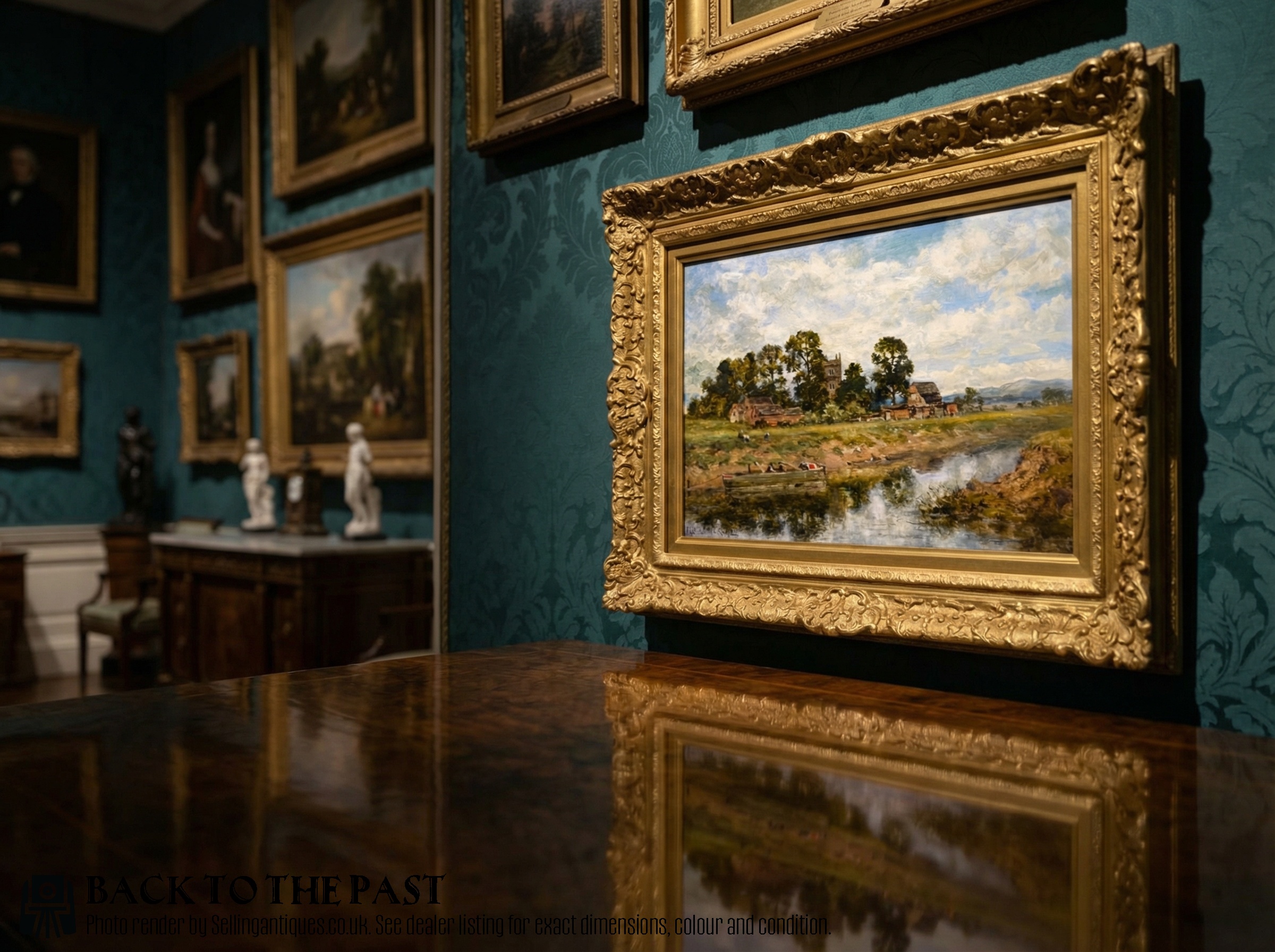
19th Century River Painting
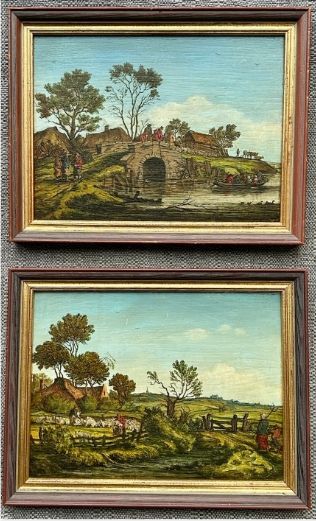
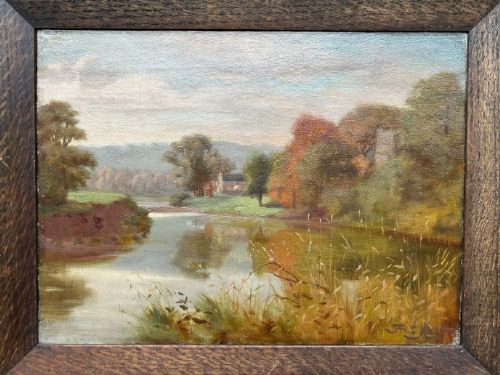
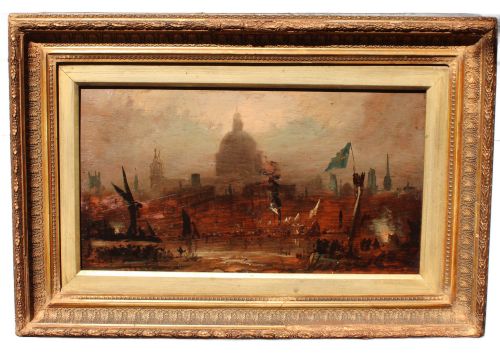
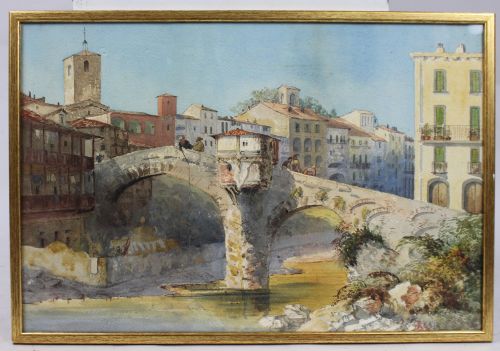
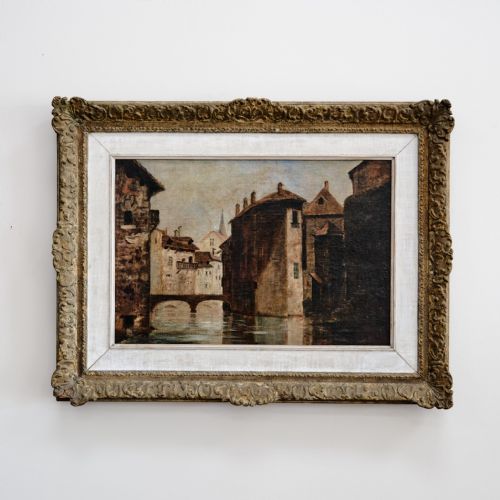
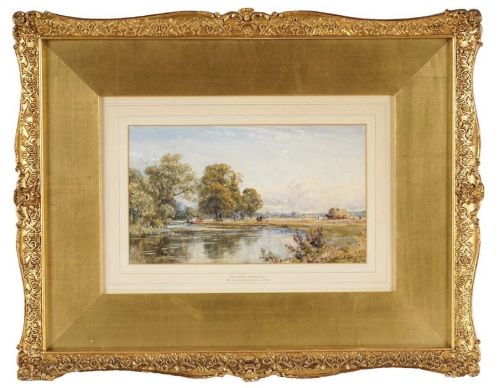
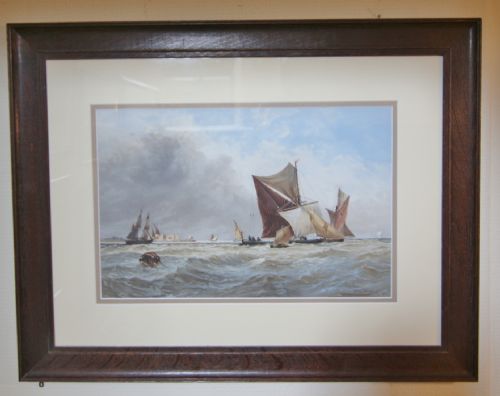
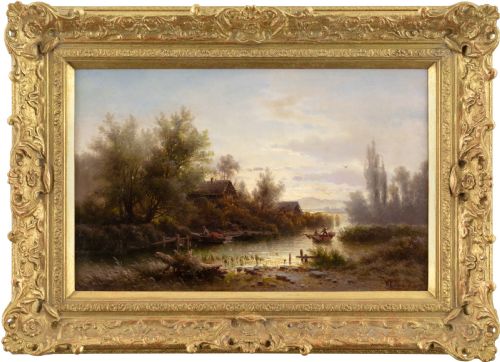
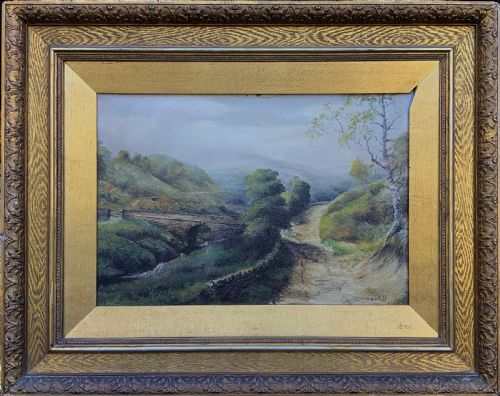
When you examine a 19th century river painting, you are looking at oil on canvas, wood panel, or delicate watercolours depicting British, French, and Dutch waterways. These works range from grand topographical scenes of the Thames and the Medway to intimate pastoral studies of mills, lock gates, and country bridges.
You will most frequently meet watercolours and oil paintings signed by regional British artists or produced by the Victorian school, often framed in period giltwood. These pieces record rural life, industrializing riverbanks, and atmospheric coastal harbours as they appeared between eighteen-ten and nineteen-twenty.
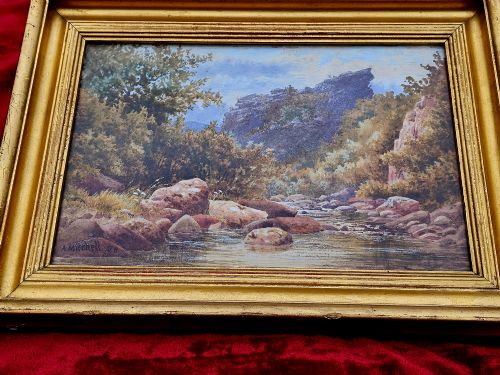
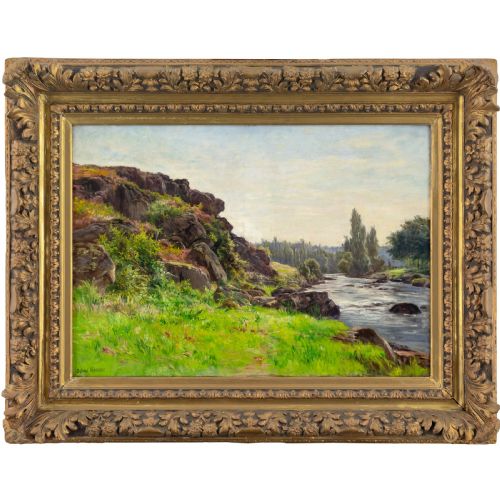
The subjects span quiet trout streams in Wales and Scotland, bustling commercial pools in London, and sunlit continental riverbanks influenced by the Barbizon school and French Impressionism. Each piece offers a specific window into nineteenth-century topography, whether executed as a finished Academy canvas or a rapid en plein air oil study.
How They Were Made
Artists built these works using oil paint applied to prepared canvas, wood panels, or milk glass, as well as watercolour pigments brushed onto heavy paper. Gesso provided the smooth ground for panel paintings, while fine linen canvas offered texture for expressive brushwork.
Makers framed their finished compositions in heavy carved and gilded wood, often enhancing the depth of the watery reflections with elaborate moulding. Pigments were worked wet-into-wet for atmospheric skies or applied in thin glazes to capture the glassy surface of a quiet lock.
19th Century River Painting Retail Price Guide 2026
Typical asking prices for 19th century river painting among the pieces listed under this phrase on Sellingantiques today, from the lower quarter to the upper quarter. They describe what is for sale here now, not the wider market.
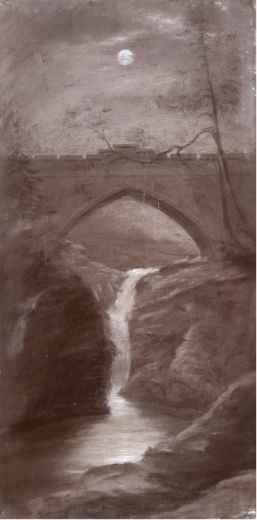
Surviving works record specific locations ranging from the River Thames and Niagara Falls to rural Welsh valleys and Scottish landscapes.
What Varies in Quality
The distinction between ordinary topographical recording and exceptional artistic achievement rests entirely on the confidence of the brushwork and the handling of atmospheric light. A superior canvas uses tonal subtlety to make water appear fluid and luminous rather than flat and opaque.
Compositional ambition separates routine workshop production from the output of established Royal Academy exhibitors. The most accomplished paintings integrate human figures and architectural elements into the river landscape with a natural harmony that anchors the entire scene.
TB Hardy·John Syer·Albert Rieger·Paul Desire Trouillebert·Henry H Parker
The 19th Century River Painting Glossary
- Barbizon School
- A nineteenth-century French movement focused on direct observation of nature and tonal realism. Artists associated with this group painted en plein air to capture authentic rural light.
- Giltwood
- Wood carved and coated with a thin layer of gold leaf or metallic powder. It was the standard material for framing fine nineteenth-century artworks.
- Topographical
- Representing specific real-world locations with accurate detail. Many nineteenth-century watercolours served as precise records of towns, bridges, and riverways.
- En Plein Air
- The practice of painting outdoors directly from the subject. This technique allowed artists to record changing weather and natural light effects instantly.
19th Century River Painting: Frequently Asked Questions
Were these paintings created outdoors?
Many smaller oil studies and watercolours were painted directly on location to capture immediate weather conditions and changing natural light. Artists carried portable wooden boxes containing tubes of oil paint, panels, and brushes specifically for field work.
Larger finished exhibition pieces were subsequently developed in the studio using these field sketches as direct visual references for the final composition.
How should I frame and display a nineteenth-century painting?
Display these works away from direct sunlight and damp environments to protect the fragile canvas fibres, wood panels, and watercolours from fading or warping. Maintaining a stable indoor temperature preserves the integrity of both the paint layer and the ground.
Original period giltwood frames complement the aesthetic of the artwork, though they require careful handling to prevent loss of the delicate gilded surface.
What is the difference between oil and watercolour river paintings?
Oil paintings utilise suspended pigments in drying oils applied to canvas or wood, allowing for rich impasto texture, deep shadows, and luminous blending. They offer a robust surface that was traditionally varnished for protection.
Watercolour paintings use water-soluble pigments on paper, producing a transparent, luminous quality that relies entirely on the white of the paper to generate light.