


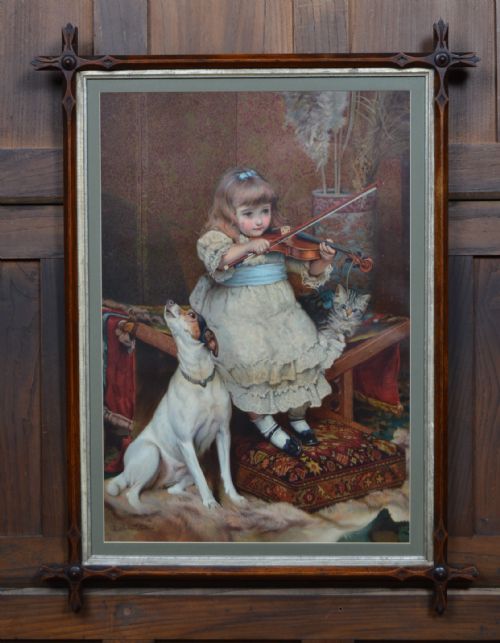
Antique Child Portrait Print
An antique child portrait print captures young subjects through mezzotint, engraving, and lithography, bringing period charm to interior walls.
Antique Child Portrait Print
When you search for an antique child portrait print, you encounter framed works spanning the eighteenth century through the twentieth century. These pieces record young sitters through various graphic media, often presented in period surrounds.
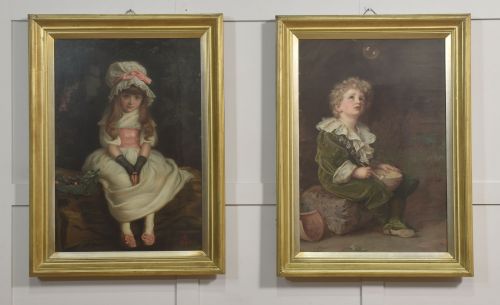
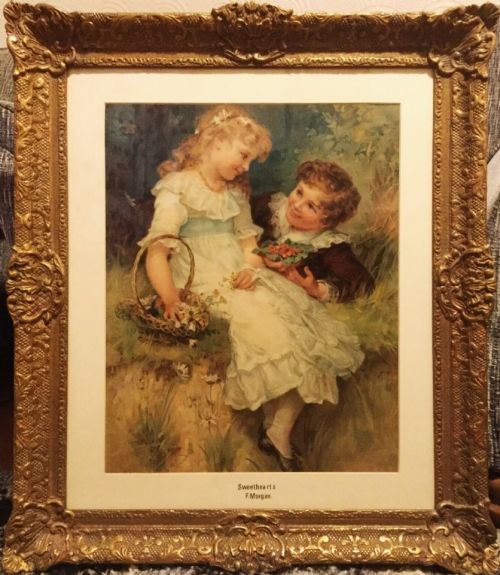
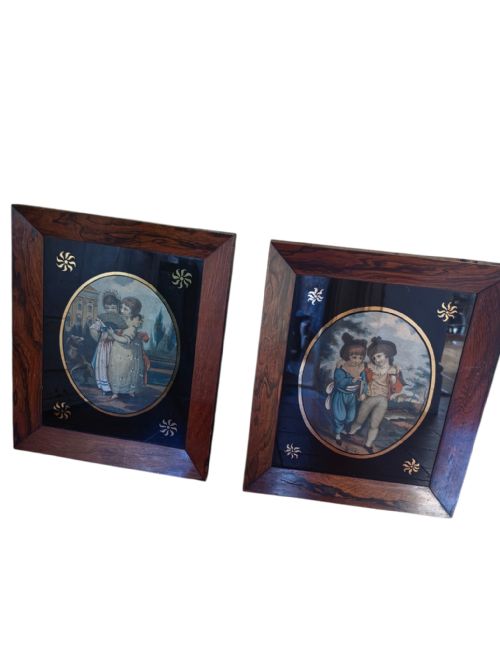
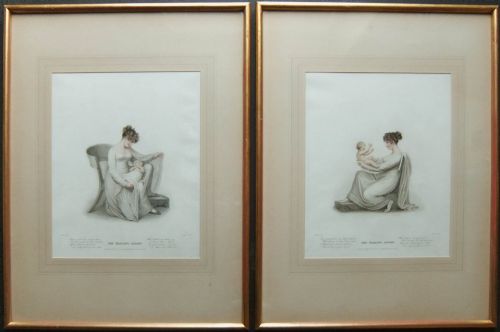
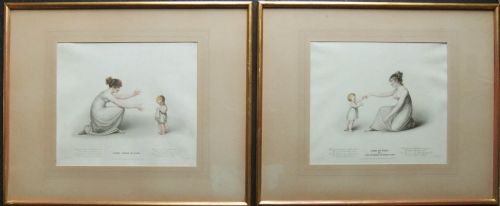
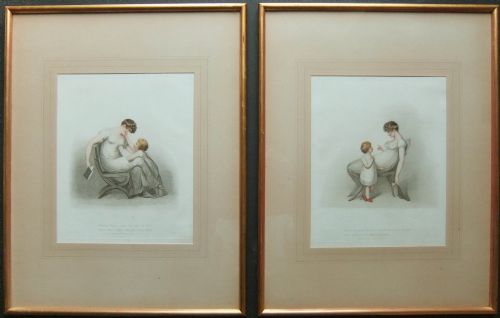
The selection on this page centres on framed art prints and wall art, including notable pairs of engravings after artists such as Adam Buck. You also find Victorian oleographs, twentieth-century Pears soap advertising prints, and oval framed portrait studies.
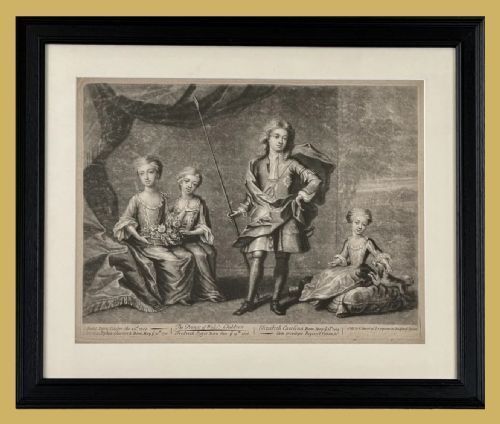
Subjects range from historical royal children to romantic studies with dogs and domestic scenes of bathing or sleeping infants. These works demonstrate how past generations documented childhood through mass-produced yet finely executed graphic techniques.
Materials and methods
The physical objects rely on paper as the primary support for printed images created via engraving, mezzotint, chromolithography, or oleograph techniques. These methods allowed skilled printmakers to translate original painted portraits into circulating plates.
Frames play a crucial role in the presentation of these works, utilising wood, rosewood, and gilt wood. Some pieces incorporate gold leaf or gilt accents, whilst others feature unusual metal embellishments applied directly to the clothing within the print.
The documented styles span Georgian, Regency, Victorian, and Edwardian periods through framed art prints and engravings.
Distinctions in quality
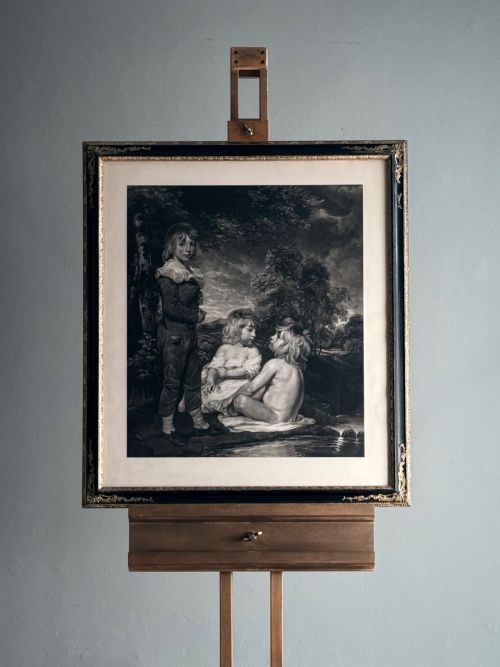
Quality rests upon the fidelity of the print impression and the skill of the original artist whose work was reproduced. Early mezzotints and stipple engravings after established painters command attention for their tonal depth.
The integrity of the surrounding frame influences the overall standard of the piece. Contemporary rosewood or period giltwood frames that retain their original glass and backing contribute substantially to the historic character of the artwork.
Edward·James Ward·John Hoppner·Sir Joshua Reynolds·Sir Thomas Lawrence·Charles Burton Barber·Emile Vernon·Frederick Morgans·Adam Buck
The Antique Child Portrait Print Glossary
- Mezzotint
- A printmaking process of the intaglio family where the plate is roughened to achieve rich dark tones and subtle gradations of light. This technique excels at rendering soft flesh tones and fabric textures.
- Stipple engraving
- A method of producing prints by means of dots rather than continuous lines, allowing for delicate tonal variations. It gained immense popularity for romantic and sentimental portraiture.
- Oleograph
- A type of chromolithographic reproduction textured to imitate an oil painting on canvas or heavy paper. These emerged strongly during the Victorian era for domestic wall decoration.
- Chromolithography
- A planographic colour printing technique using multiple limestone blocks, one for each colour applied. This process produced vibrant, multi-coloured advertising and artistic prints.
- Engraving
- The process of incising a design onto a hard surface, traditionally metal, which is then inked and pressed onto paper. Clean lines and precise detail characterise this foundational graphic medium.
Antique Child Portrait Print: Frequently Asked Questions
What periods do these portrait prints cover?
The inventory spans several distinct eras, beginning with eighteenth-century mezzotints and nineteenth-century Regency and Victorian examples. You also encounter Edwardian pieces from around nineteen-ten.
Later mid-twentieth-century items, including advertising subjects, sit alongside these earlier works to show how juvenile portraiture evolved across centuries.
How were these framed originally?
Many pieces are housed in period surrounds constructed from wood, rosewood, or gilded wood. Gilt frames provide a traditional decorative border that complements the graphic work inside.
Some unusual examples incorporate metal embellishments directly onto the printed clothing, adding physical texture to the framed display.
Are these works single pieces or pairs?
The listings frequently include matched pairs of engravings, such as Adam Buck's seated or sleeping studies. These companion pieces were often published together to decorate domestic spaces.
Single portrait prints also appear, featuring oval formats or larger compositions designed as standalone wall art.