
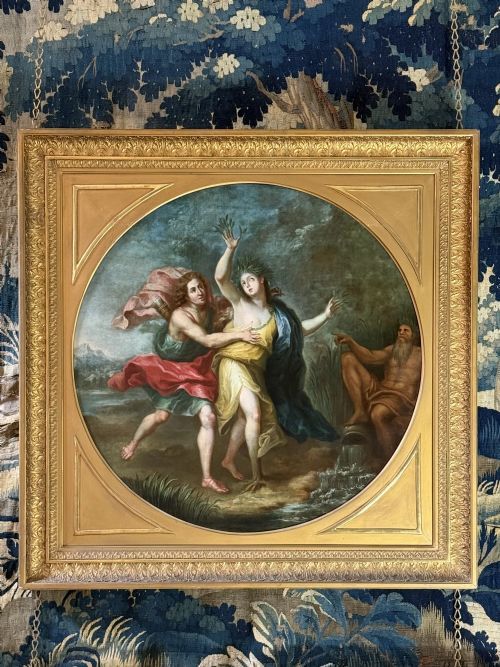
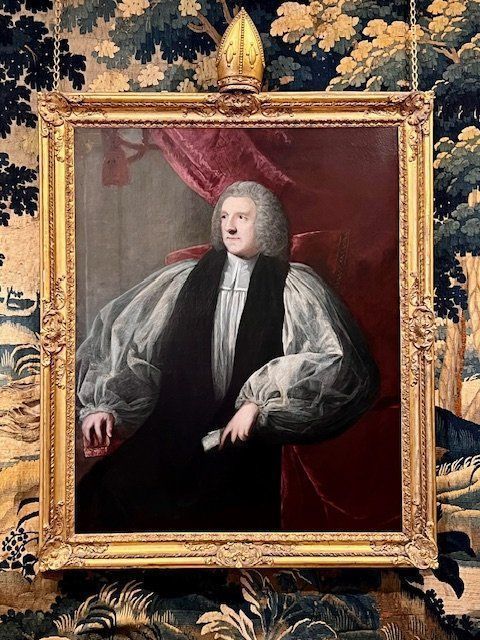
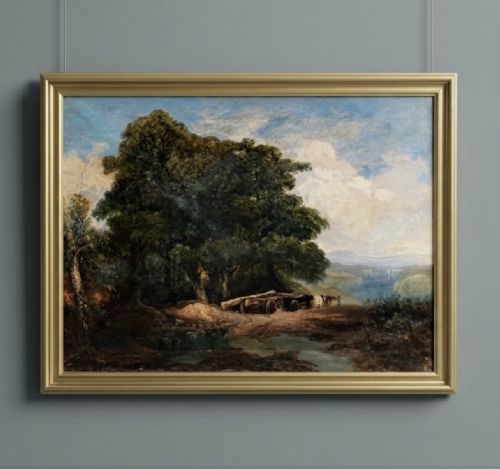
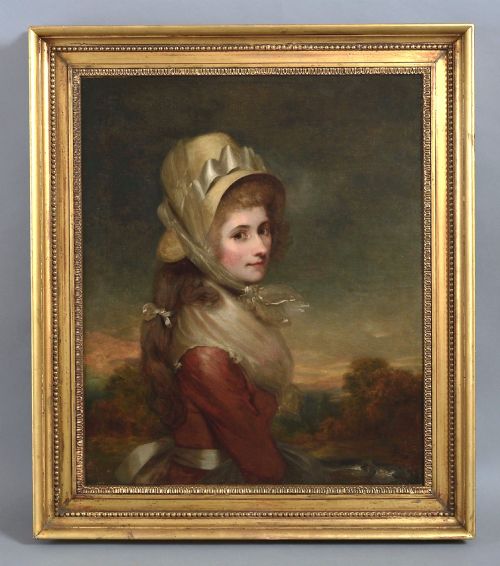


Gilded Frame Canvas Art
These gilded frame canvas art pieces bring period oil paintings and rich moulded surrounds together for immediate wall display.
What gilded frame canvas art pieces are
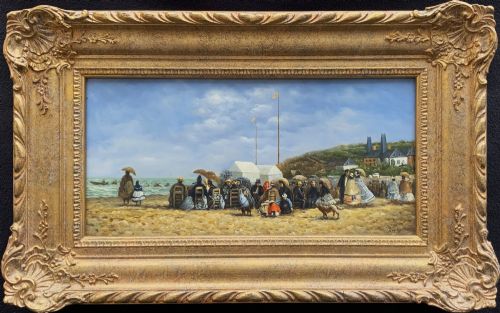
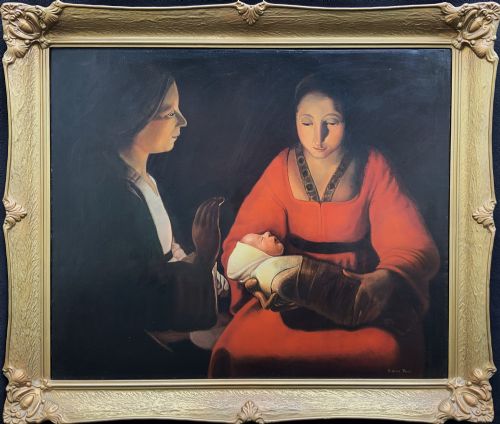
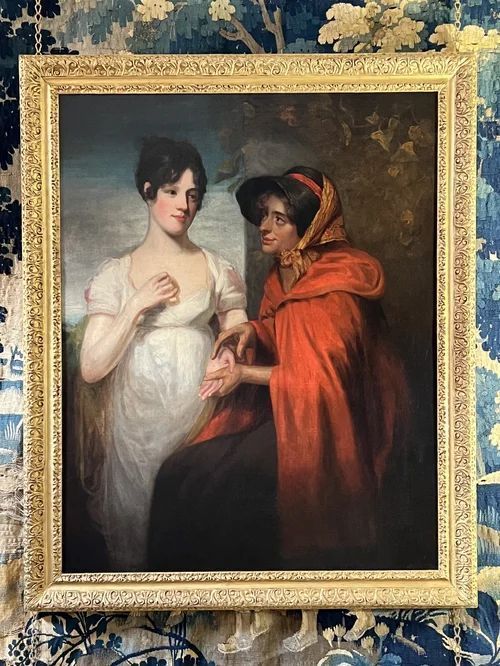
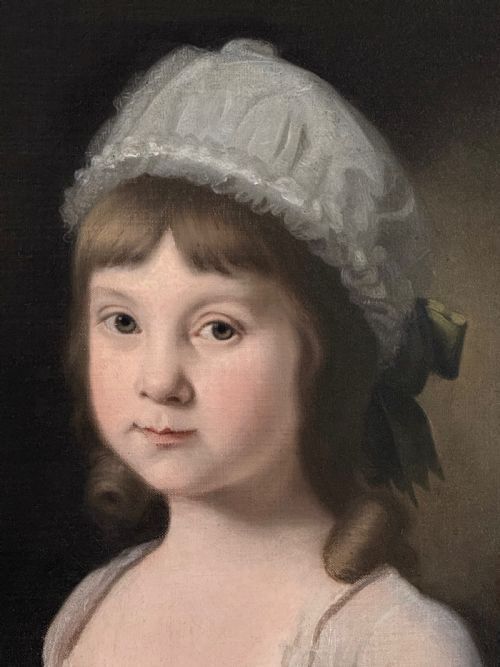
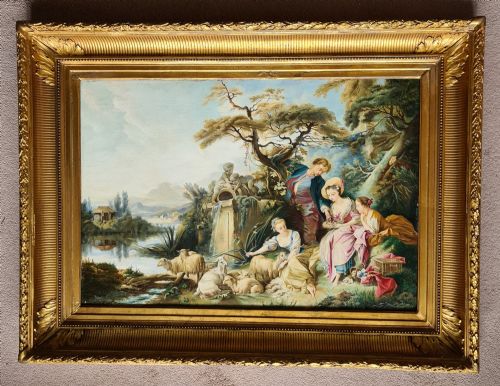
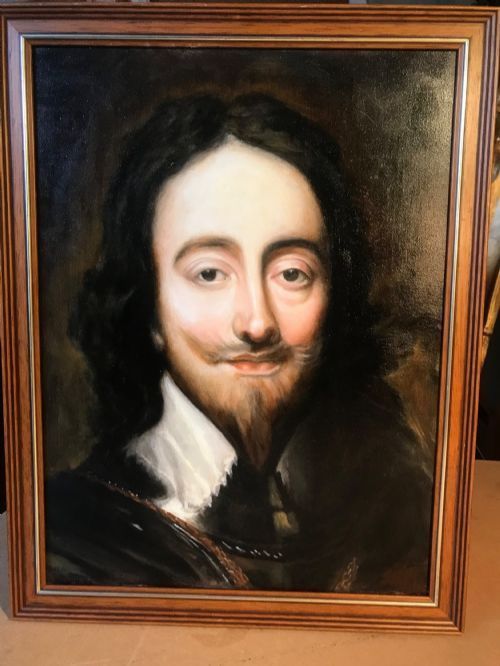
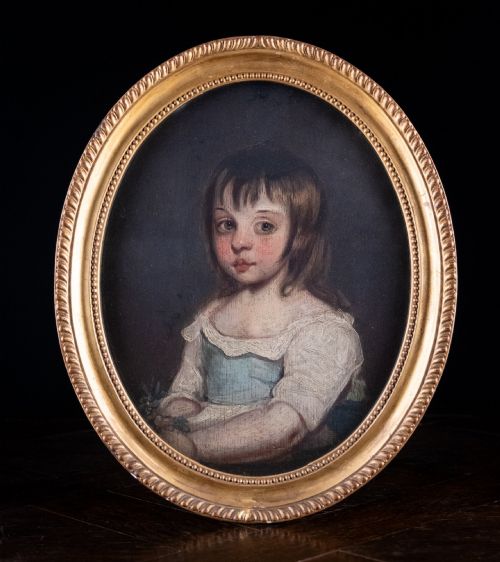
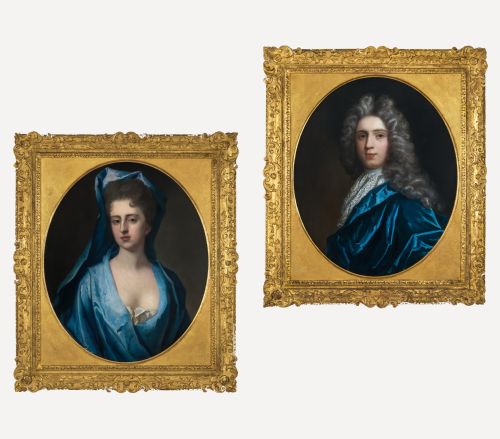
Gilded frame canvas art unites traditional painted canvas works with ornate timber or gesso surrounds dating from the nineteenth and twentieth centuries. These pieces cover diverse subjects including British genre scenes, traditional landscapes, still life, townscapes, and portraiture.
Most examples originate from the Victorian era up to the mid-twentieth century, capturing domestic British views, Venetian vistas, Canadian winters, and European townscapes. The combination of oil paint on canvas set within bright or burnished gold frames delivers a complete decorative scheme.
How they were made
Artisans applied oil paint to stretched canvas surfaces, using pigment mixtures to build up layered landscapes, portraits, and still life arrangements. Works span standard oil paintings, grisaille techniques, and oleograph print reproductions.
The accompanying frames utilise carved wood or moulded gesso bases coated with gilt or giltwood finishes to create metallic sheen and decorative relief. These surrounds were specifically constructed to house and protect the canvas artwork.
Retail Price Guide 2026
Typical UK retail prices for gilded frame canvas art, calculated from the Sellingantiques database of over a million retail prices indexed since 2003. This retail price guide relies exclusively on Sellingantiques data; no external sources or auction records are used, so the figures do not describe the wider market.
Materials documented across the inventory include oil paint, canvas, gesso, giltwood, and ink.
What varies in quality
Quality rests in the precision of the brushwork and the depth of detail achieved within the oil paint medium, separating fluid figurative or landscape compositions from simpler decorative output. The execution of canvas stretched work reflects the technical skill of the period artist.
Frame construction and gilding application dictate the visual weight of the piece, with finely moulded gesso and carved giltwood surrounds offering greater richness than plain timber. The harmony between the artwork and its specific gilt frame determines the overall success of the object.
Alfred Lyndon Grace·Else Preußner·Alfred Pollentine·Eva Hollyer·William Mellor·Henry Schafer
The Gilded Frame Canvas Art Glossary
- Gesso
- A plaster-like mixture applied to wood frames to create a smooth or raised surface for gilding. This material allows intricate decorative moulding.
- Giltwood
- Timber that has been coated with gold leaf or metallic powder to achieve a shining golden finish. It forms the primary visual boundary for many traditional paintings.
- Grisaille
- A painting executed entirely in shades of grey or neutral monochrome. This technique often mimics the appearance of relief sculpture.
- Oleograph
- A textured print produced on canvas to simulate an oil painting. These mechanical reproductions gained popularity during the Victorian period.
- Impressionism
- An art style focused on accurate depiction of light and loose brushstrokes. Works in this tradition capture fleeting atmospheric moments.
Frequently Asked Questions
What periods do these paintings come from?
The available pieces span from the late nineteenth century through the Victorian period, 1920, 1930, and up to 1960.
This broad timeline encompasses traditional British landscape traditions, continental townscapes, and modernist still life examples.
Are the frames original to the canvas?
Most works are paired with period gilt wood or gesso frames that match the production era of the artwork.
The combined framing and canvas presentation provides a unified decorative object ready for hanging.
What subjects appear in these works?
Subjects include winter landscapes, Venetian canals, French cathedrals, rural cottages, and detailed floral still life compositions.
Artists also recorded historical genre scenes and portraiture across canvas supports.
How do I identify a grisaille painting?
Grisaille works utilise a monochromatic palette restricted entirely to greys and neutral tones rather than full colour.
This technique emphasises form and shadow, often resembling carved stone or plaster relief.