




Lake District Landscape
A lake district landscape brings the dramatic topography and shifting light of the Cumbrian fells directly into your interior.
Lake District Landscape
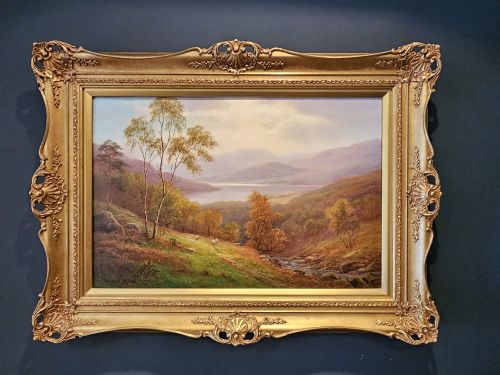
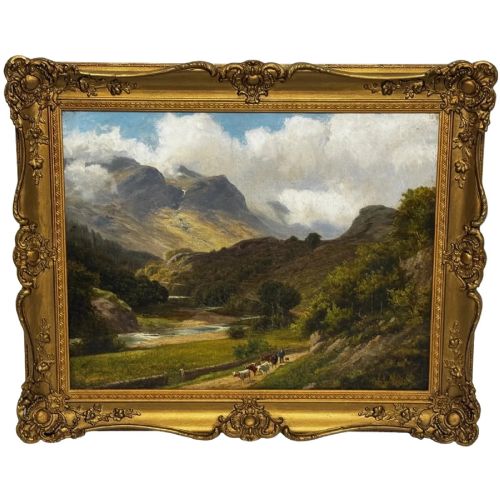
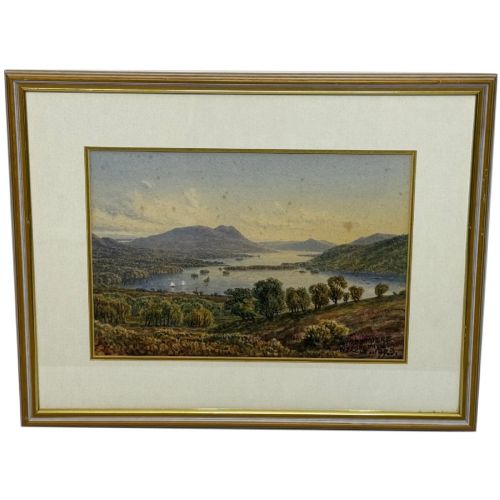
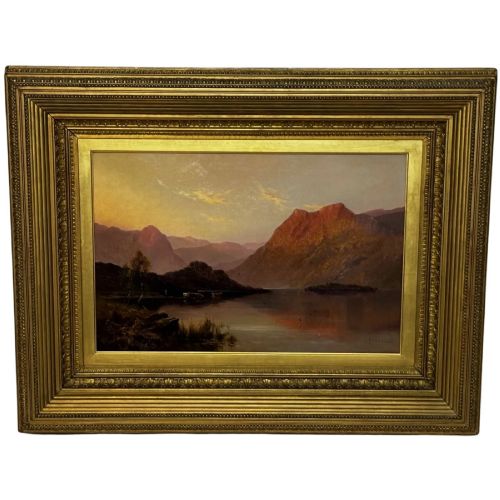
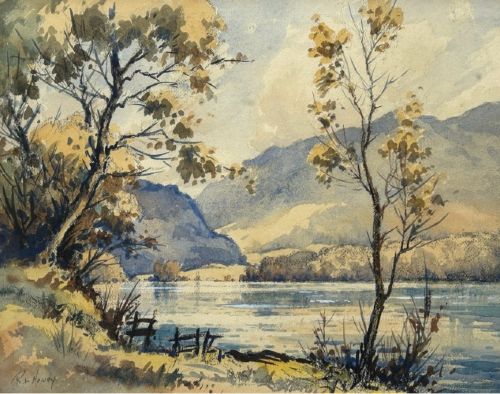
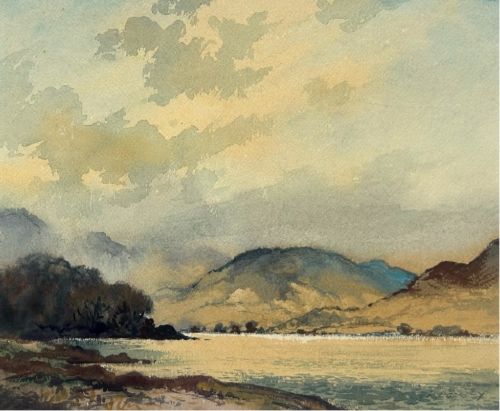
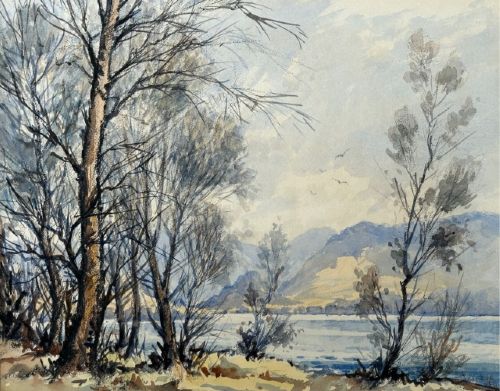
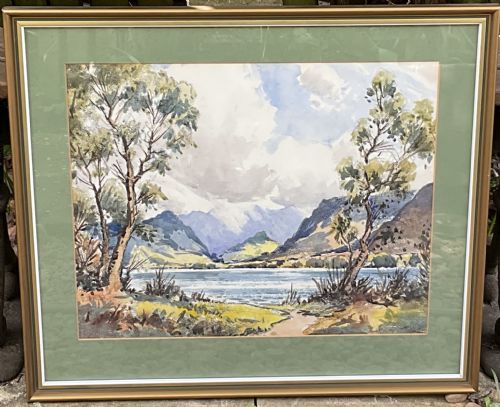
A lake district landscape captures the fells, waters and valleys of Cumbria through historic artistic interpretations. Buyers searching this phrase encounter framed works depicting specific locations like Windermere, Derwentwater and Grasmere across centuries of British art.
The selections available range from detailed eighteenth-century topographical sketches to mid-century impressionist watercolours and nineteenth-century oils. These pieces document the changing appearance of rural Northern England through the eyes of regional painters and visiting artists alike.
Works on paper and canvas dominate the selection, often preserved in period wood or gesso frames. Whether showing quiet tarns or rugged mountain passes, each piece offers a distinct record of this celebrated terrain.
How They Were Made
Artists recorded the Cumbrian terrain using watercolour pigment on paper or oil on canvas and panel, frequently applying ink for preliminary definition. Watercolour washes captured the ephemeral weather and mist over the lakes, whilst oil paint on canvas allowed for heavier impasto textures on mountain crags and foliage.
Support materials range from standard artist canvases to heavy watercolour papers and occasional wood boards. Finished works were traditionally secured behind glass or housed within carved and gilded frames appropriate to their period of creation.
Surviving materials include delicate watercolour pigment on paper, oil on canvas, charcoal sketches and aquatint engravings housed in period wood and gesso frames.
What Varies in Quality
The distinction between standard topographical recording and superior artistic achievement lies in the handling of atmospheric light and topographical accuracy. Stronger compositions convey the specific geological weight of the fells rather than relying on formulaic formulas for trees and water.
Material preservation significantly affects the standing of a work, including the stability of the original pigments and the condition of the paper or canvas support. Original framing that complements the period of the painting enhances the integrity of the piece.
Alfred Fontville de Breanski Jr·Robert Leslie Howey·Helen Layfield Bradley·Edward Dayes·Joseph Farrington RA·Sidney Richard Percy·William Mellor·Cornelius Pearson
The Lake District Landscape Glossary
- Impasto
- Paint applied thickly to a canvas or board, leaving prominent brush or knife marks that create physical texture. This technique gives weight and relief to elements like rocky crags or turbulent water.
- Topographical
- Representing specific places accurately, often with a focus on local geography and recognizable landmarks. Many historic sketches served as exact records of Cumbrian valleys before modern development.
- Aquatint
- A printmaking technique that produces tonal areas resembling watercolour washes through the use of acid-etched resin on a metal plate. It allows for subtle gradients across skies and mountain slopes.
- Gesso
- A plaster-like mixture applied to wood or canvas as a prepared base for painting, or moulded to form decorative details on historic picture frames. Its preservation is a key indicator of an untouched antique frame.
- Tarn
- A small mountain lake or pool carved by glacial action, frequently featured as the central subject in Cumbrian landscape art. These isolated bodies of water offered painters studies in reflective light.
Lake District Landscape: Frequently Asked Questions
What periods do these paintings come from?
The listings encompass works stretching from the seventeenth century through the Georgian and Victorian eras up to mid-century modern interpretations. Earlier examples often lean towards precise topographical recording, while later pieces embrace impressionist brushwork.
This broad chronological span allows collectors to choose between tightly rendered nineteenth-century watercolours and bolder post-war depictions of the same Cumbrian views.
How should I frame and display a watercolour?
Watercolour paintings and works on paper require protection from direct sunlight to prevent the fading of delicate pigments. Framing behind glass with conservation-grade mounts keeps the paper surface safe from humidity and physical contact.
Displaying them on interior walls away from direct heat sources ensures the paper supports remain stable and free from warping over time.
Are these works signed by the artists?
Many of the paintings and drawings carry the original signature or monogram of the artist, while others remain attributed based on style, provenance or contemporary records. Signed pieces frequently offer a direct link to known regional painters active in the North of England.
Unsigned works are judged entirely on the strength of their composition, technique and period materials.
How do I identify different Cumbrian locations?
Titles and inscriptions on the reverse or front of the works often name specific lakes, fells or villages such as Derwentwater, Windermere or the Langdale Pikes. Comparing the depicted topography with the named location reveals the artist's viewpoint.
Local landmarks like stone bridges, tarns and valley floors help confirm the exact setting captured by the painter.