


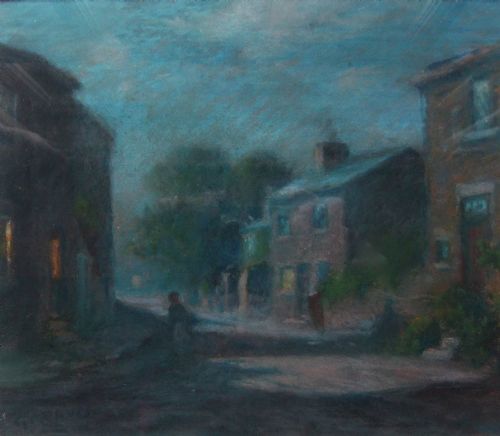

Original Pastel Artwork
When you search for original pastel artwork, you are looking at works drawn with pigmented sticks on paper that capture immediate touches.
Original Pastel Artwork
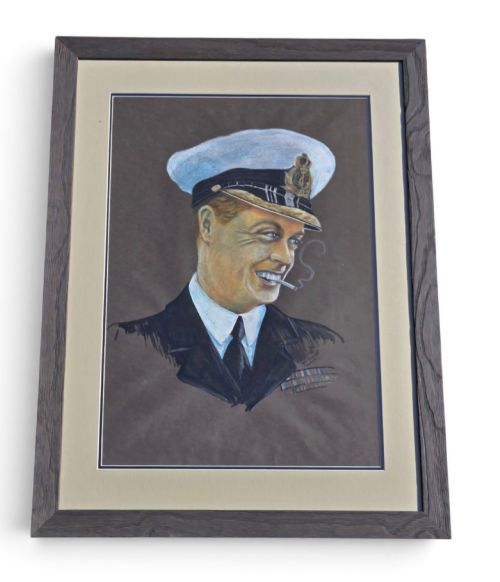
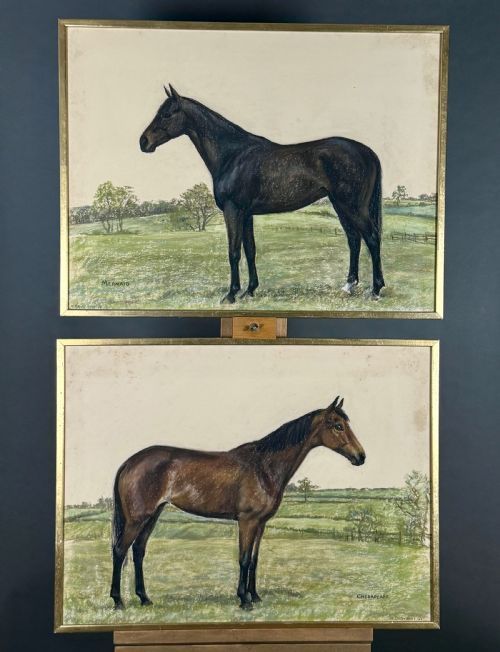
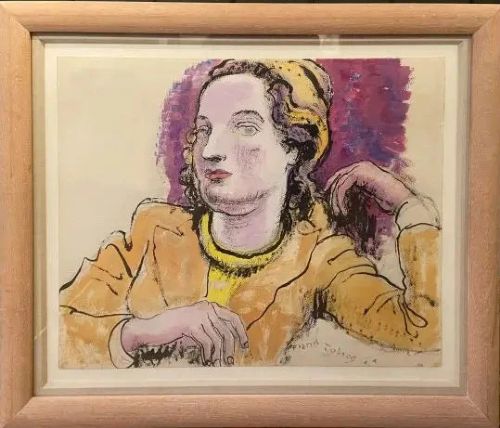
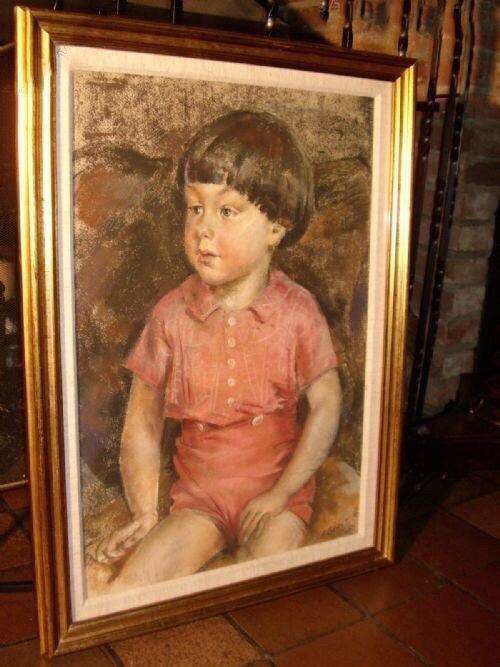
Original pastel artwork encompasses framed drawings and paintings created across the Victorian, Edwardian, and mid-century periods, spanning styles from Impressionism to Modern British. These pieces take the form of portraits, landscapes, equestrian studies, and still life compositions executed by named artists and skilled hands.
The selections available here lean heavily into mid-century and earlier twentieth-century examples, frequently presented under glass in wood or gilt wood frames. Buyers encounter both intimate portraiture and expansive landscape views created through direct application of coloured dry medium.
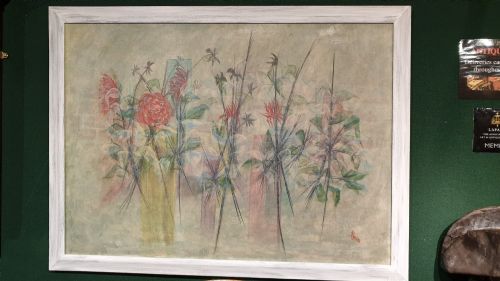
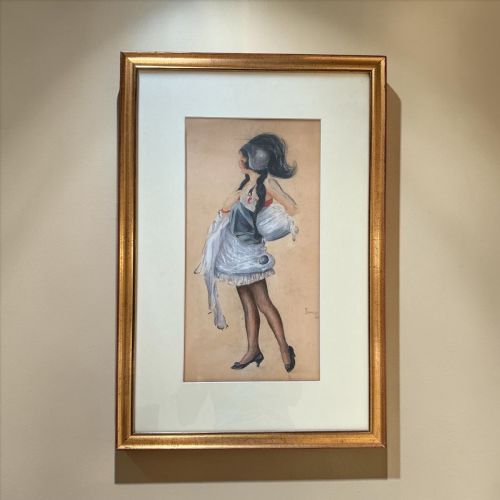
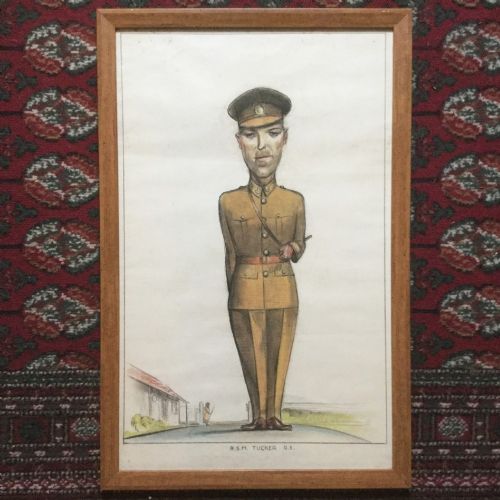
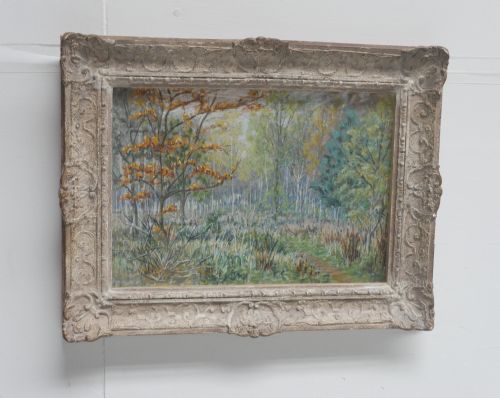
Subjects range from circus ballerinas and military officers to Devon moorlands, Cornish harbours, and floral arrangements. Each piece represents a direct graphic record left by the draughtsman's hand upon the sheet.
How they were made
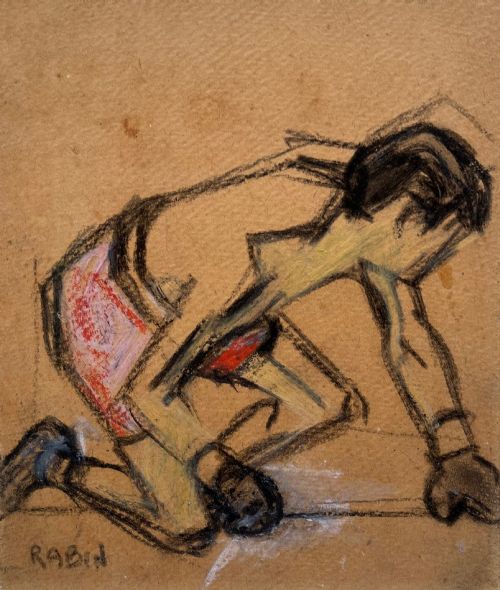
Artists applied soft dry pigments directly onto paper, often combining pastel with charcoal, gouache, or watercolour highlights to build texture and tone. Many works utilise tinted or coloured paper grounds to let the base tone unify the composition.
Finished drawings received protection beneath glass within wooden or gilt frames to prevent the fragile pigment dust from smudging or lifting over time.
Original Pastel Artwork Retail Price Guide 2026
Typical asking prices for original pastel artwork among the pieces listed under this phrase on Sellingantiques today, from the lower quarter to the upper quarter. They describe what is for sale here now, not the wider market.
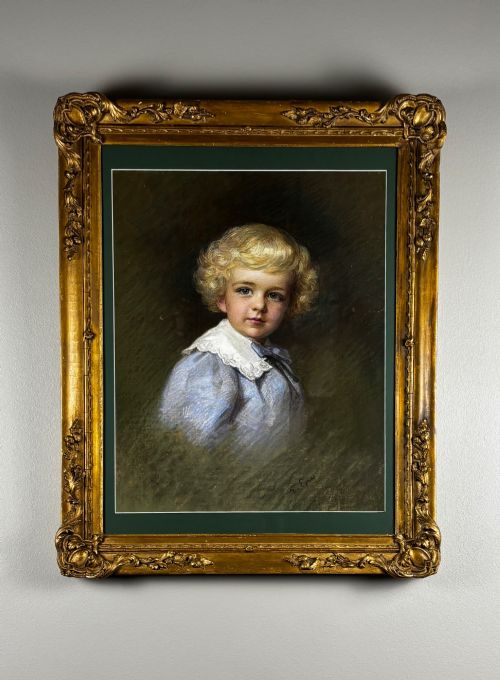
Among the portraits sits a stylish cat in oil pastels alongside aristocratic princes and circus ballerinas.
What varies in quality
Quality rests upon the sureness of the draughtsmanship and the artist's command of light and form across the surface. Stronger examples display confident handling of tone and gesture, whereas lesser works reveal hesitant marks and weak anatomical or spatial structure.
The preservation of the pigment layer and the appropriateness of the period framing contribute substantially to the standing of an individual piece.
Herskind·Frank Dobson·Samuel Rabin·Joseph Knight·John Rattenbury Skeaping·Cecil Charles Windsor Aldin·Gyrth Russell·John Hobson Nicholson·Berthe des Clayes·Denis William Reed·Lena M Alexander·Jennifer Toombs·Aubrey Sykes RA
The Original Pastel Artwork Glossary
- Pastel
- A dry drawing medium composed of powdered pigment and a binder formed into sticks. It allows for rich colour saturation and immediate blending directly on the paper support.
- Gouache
- An opaque water-based paint frequently used alongside pastel to add solid highlights and opaque areas of colour. It provides a dense contrast to softer chalk marks.
- Chalk drawing
- A work executed primarily with natural or manufactured chalks. The technique shares close technical roots with pastel work.
- Coloured paper
- A tinted support sheet chosen by the artist to influence the overall colour harmony of the finished composition. The visible paper tone often acts as a mid-tone in the drawing.
Original Pastel Artwork: Frequently Asked Questions
How should I hang original pastel artwork?
These pieces require placement away from direct sunlight to prevent the pigments from fading over the years. Maintaining stable indoor humidity levels also protects the paper support and the framing materials.
Because the dry medium sits loosely on the paper, the frame must remain securely sealed under glass to prevent any vibration from disturbing the pigment particles.
Are pastels considered drawings or paintings?
Pastel occupies a unique middle ground between drawing and painting because the medium uses pure pigment applied heavily like paint while relying on linear draughtsmanship. Many historical and modern pieces are described as pastel paintings when the pigment covers the entire paper surface.
Collectors and galleries often use both terms interchangeably depending on the density of the pigment application and the finished visual weight of the work.
How do I identify the period of a pastel?
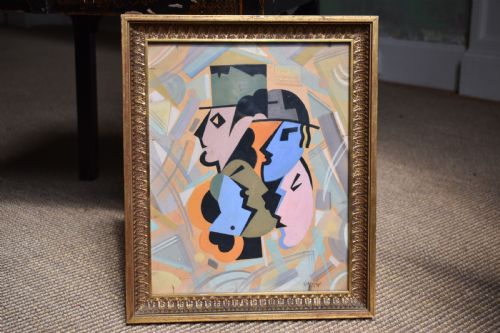
Dating relies on the costume, framing styles, paper types, and the specific aesthetic movements recorded in the signatures or signatures' absence. Mid-century pieces often display bolder modernist abstractions or looser post-impressionist handling compared to Victorian or Edwardian works.
Examining the backing boards, framing construction, and any accompanying inscriptions or gallery labels provides further clues to the era of creation.
Why are pastels often framed under glass?
Glass protects the delicate, unfixed pigment particles from physical contact, airborne dust, and moisture damage. Without this barrier, accidental touch or airflow can smudge the soft chalk marks.
Historically, framing under glass was the standard method to ensure that works on paper survived in their original drawn state without loss of detail.