


Dark Baroque Painting
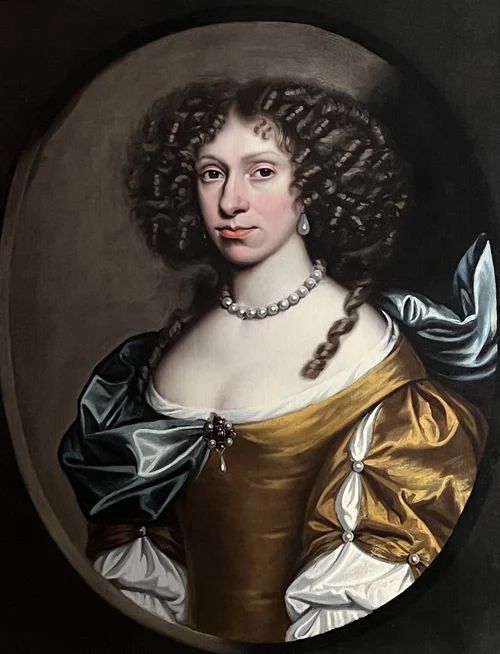
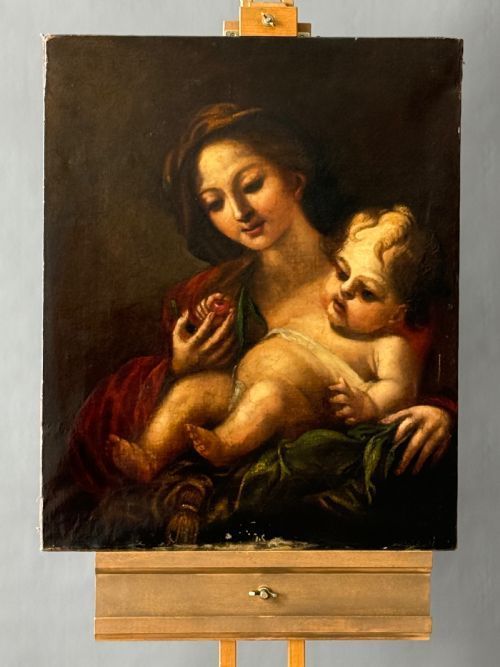
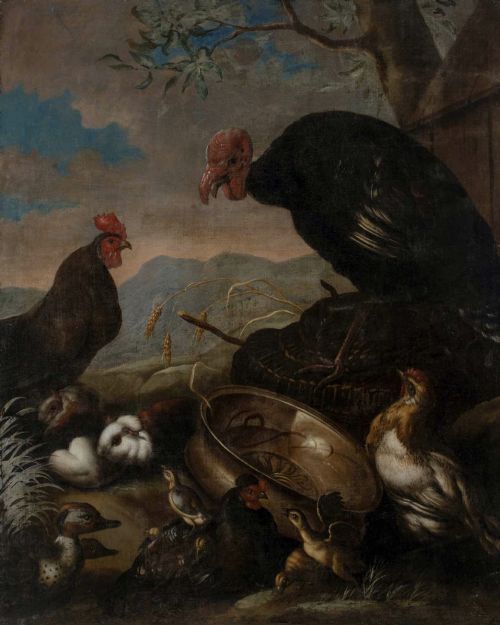
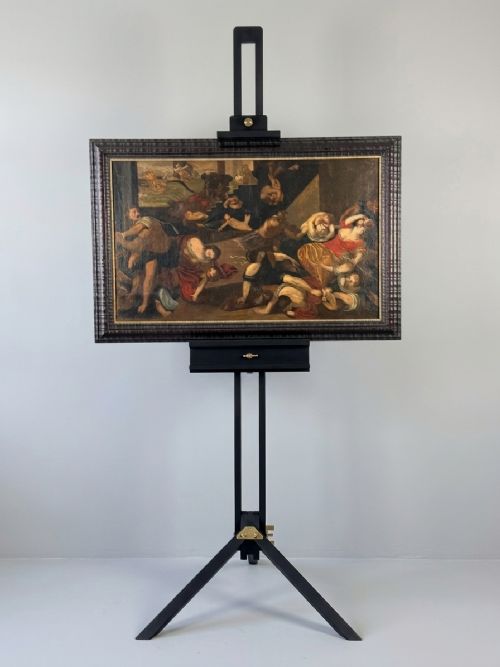
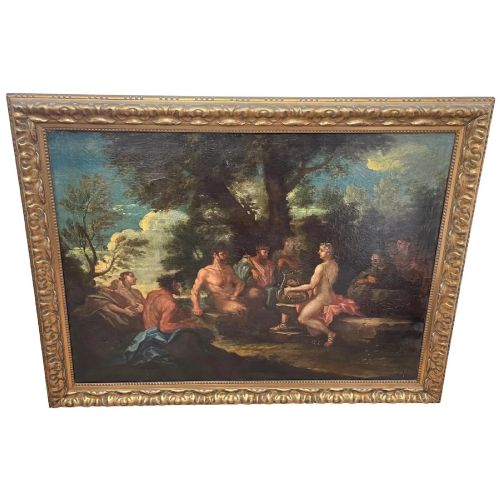
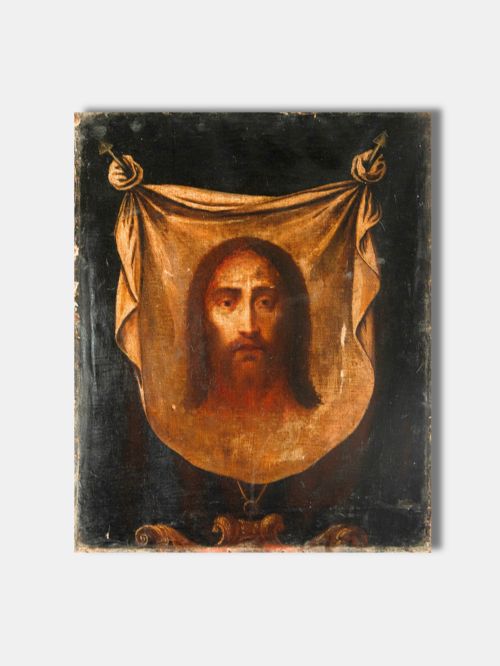
When you search for dark baroque painting, you enter a world of dramatic chiaroscuro, solemn portraits, and old master oils designed to anchor a room.
Dark Baroque Painting
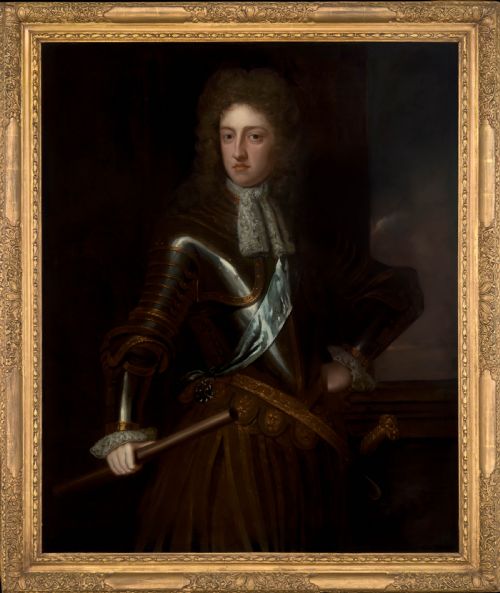
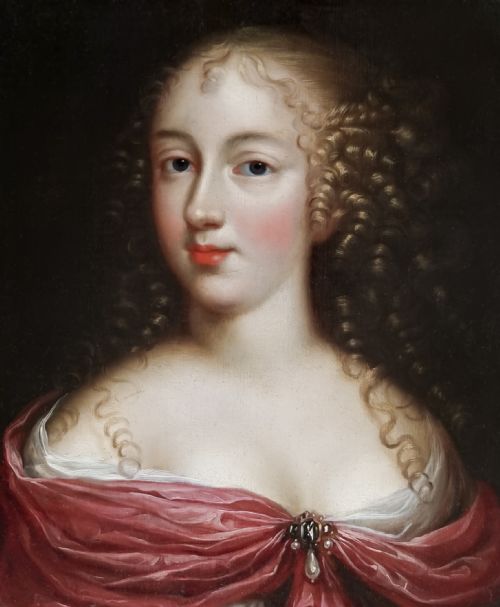
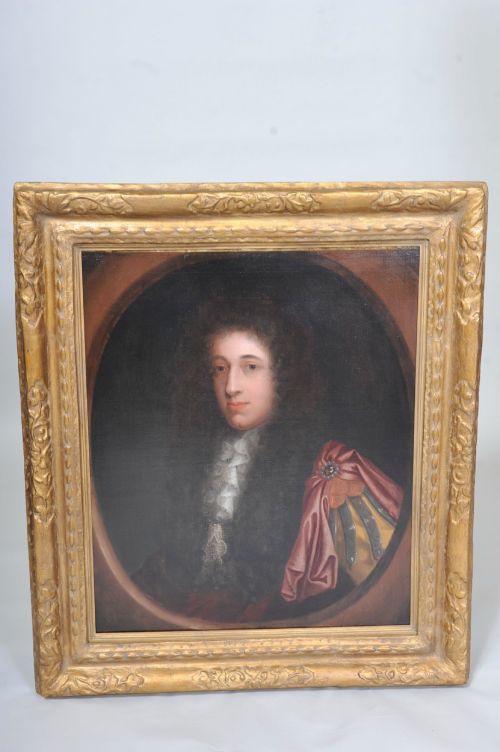
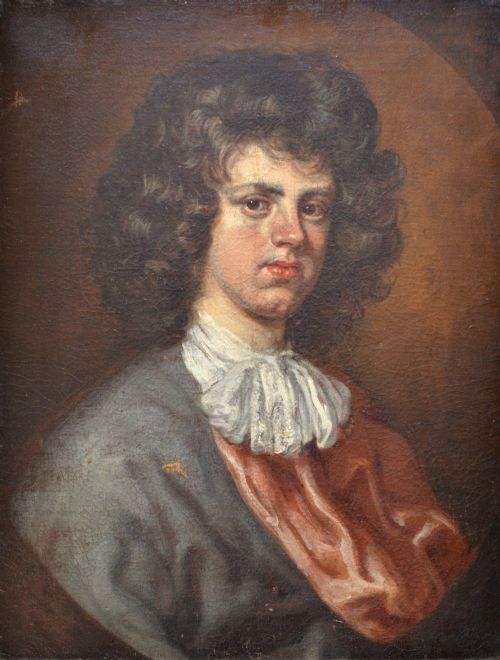
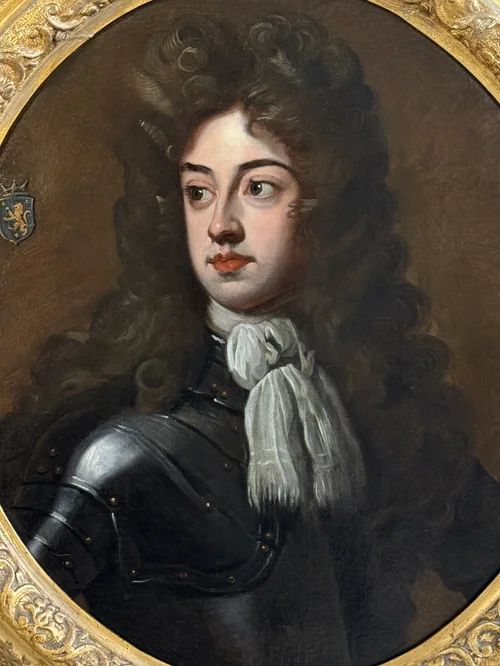
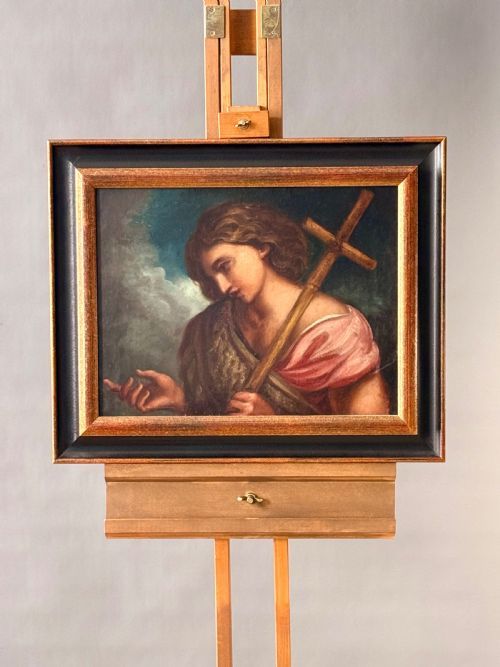
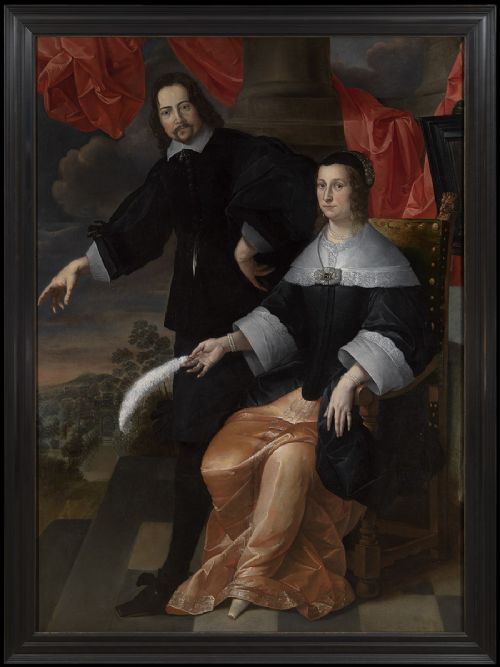
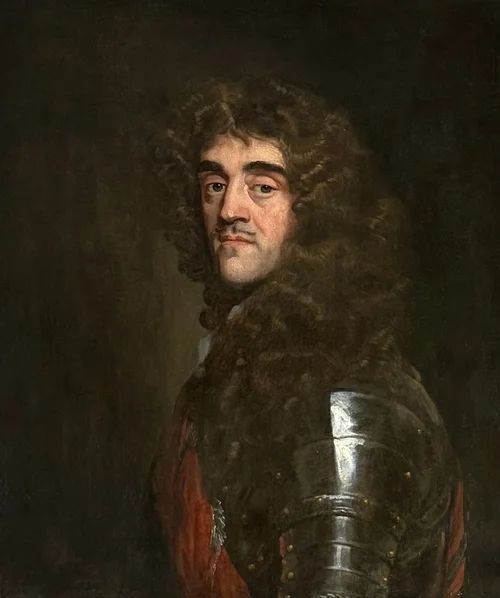
A dark baroque painting brings together canvases spanning the seventeenth and eighteenth centuries, executed across English, Dutch, Italian, Spanish, and French schools. These works capture subjects ranging from aristocratic sitters in armour to religious scenes and mythological narratives, rendered with striking shadow and presence.
The version most frequently met on this page is the oil on canvas portrait or old master composition, often originating from seventeenth-century workshops or later continental followers. These pieces reflect the aesthetic priorities of baroque art, where deep palettes and concentrated light define the visual weight of the subject.
Materials and technique
The primary vehicle for these works is oil paint applied to woven canvas or occasionally wooden panels, utilising ground pigments mixed with drying oils to achieve rich, luminous depths. Artists built up compositions through layered glazes and underpainting, allowing shadows to recede while highlights caught the illumination.
Support structures typically involve stretched canvas secured to wooden frames, with some surviving examples retaining their original panel supports or early giltwood framing. The interplay of pigment and support determines the texture and surface resilience visible today.
Several noble sitters appear alongside remarkably intricate ruff collars and solemn pets, proving that seventeenth-century aristocracy took family portraits very seriously indeed.
Assessing quality
The condition of the pigment layer and the integrity of the canvas also dictate standing, as historical relining, overpainting, and surface cleaning alter the visual impact. A successful piece maintains its tonal contrasts without losing the subtle gradations that define seventeenth- and eighteenth-century execution.
Sir Godfrey Kneller·Sir Anthony van Dyck·Pierre Mignard·Michael Dahl·Godfried Schalcken
The Dark Baroque Painting Glossary
- Chiaroscuro
- The use of strong contrasts between light and dark, usually bold contrasts affecting a whole composition. This technique creates dramatic depth and volume in baroque portraiture.
- Old Master
- A term used for a European painter of skill who worked before about eighteen hundred. These artists operated within defined regional schools and traditions.
- Relining
- The process of adhering a new canvas to the back of an original deteriorating canvas to provide structural support. It is a common conservation method for historical paintings.
- Provenance
- The chronology of the ownership, custody, or location of a historical historical painting. Documented lineage adds historical context to a canvas.
Dark Baroque Painting: Frequently Asked Questions
How do I care for an old oil painting?
Keep the canvas away from direct sunlight, extreme temperature fluctuations, and high humidity to prevent cracking of the oil paint.
Dust the surface gently with a soft, dry brush and avoid using water or chemical cleaners on the paint layer.
What is the difference between studio work and follower pieces?
Studio works were produced under the direct supervision of a master artist, often incorporating their methods and sketches into the final canvas.
Follower pieces were created later by artists inspired by a master's style rather than working directly within their physical workshop.
How can I tell a seventeenth-century canvas from a later copy?
Examination of the canvas weave, stretcher construction, and pigment composition often reveals the age of the materials used in the work.
Stylistic subtleties in brushwork and the natural ageing of the oil paint provide further clues regarding the period of execution.
Where were these dark baroque paintings originally displayed?
Such works hung primarily in the grand houses, private chapels, and civic buildings of seventeenth- and eighteenth-century Europe.
Subjects in armour or formal dress were commissioned to project status, lineage, and authority in public or domestic reception rooms.