


Antique Sacred Art Canvas
These antique sacred art canvas pieces bring devotional Spanish Baroque and Renaissance Revival subjects into your home with oil paint on woven supports.
What these pieces are
An antique sacred art canvas represents devotional imagery produced in European traditions from the seventeenth to the nineteenth century. Buyers searching this phrase seek traditional religious subjects rendered in oil paint upon prepared woven grounds.
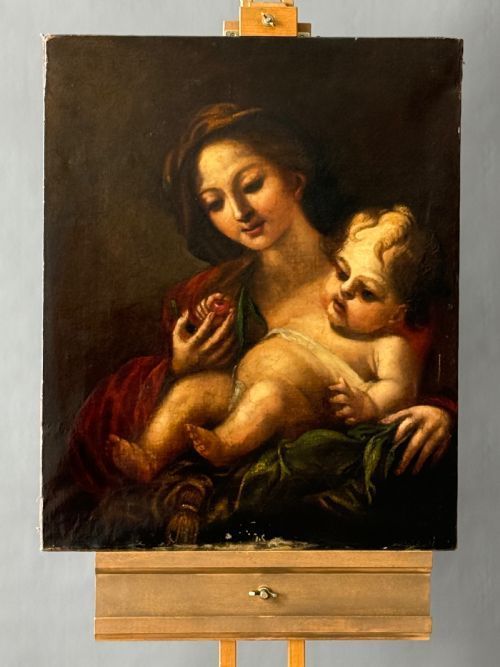
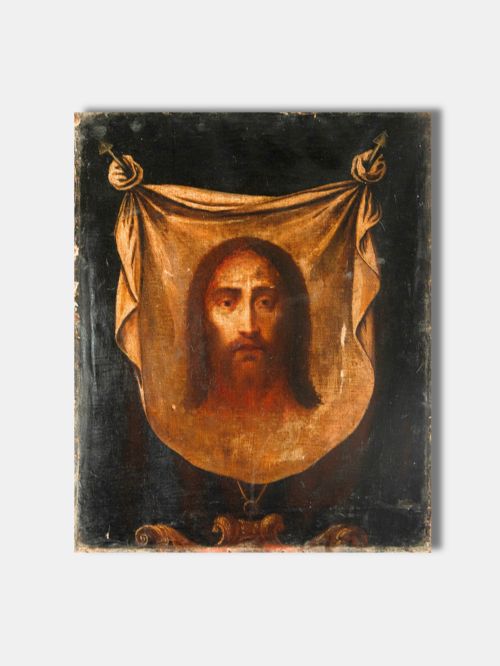
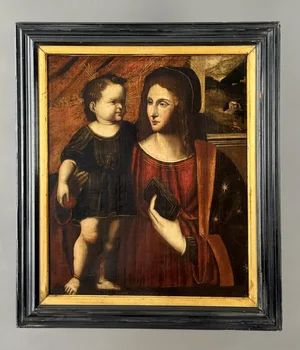
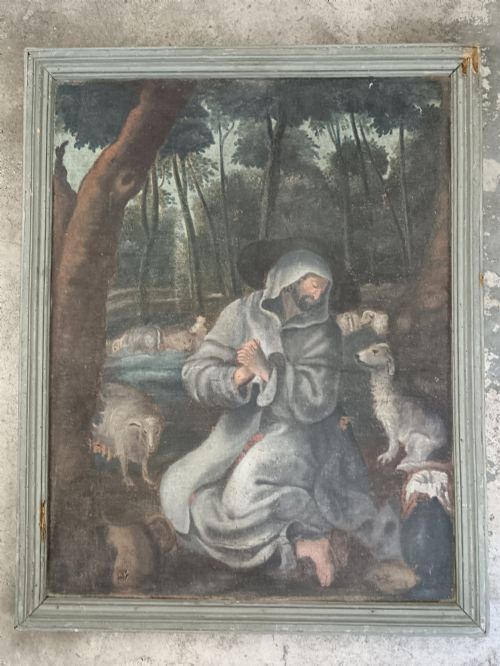
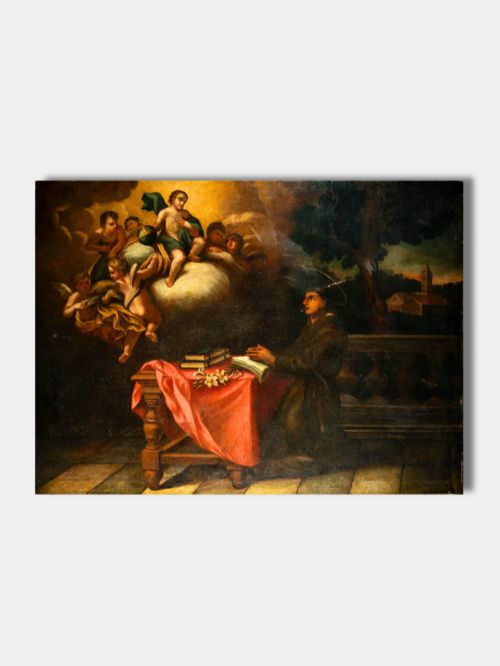
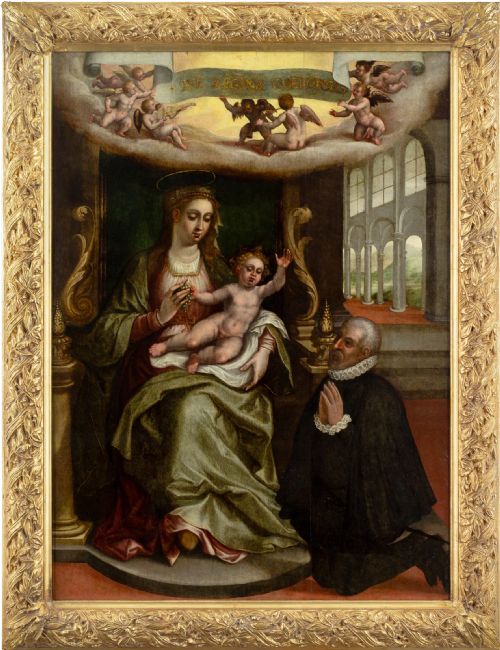
The selections on this page span the seventeenth, eighteenth, and nineteenth centuries, featuring works from Spanish and Italian stylistic lineages. Common compositions include the Holy Face of Jesus, the Madonna and Child, and the Divine Shepherdess.
Many examples reflect either direct regional output or later studio traditions that draw inspiration from Renaissance and Baroque masters. These works range from seventeenth-century Spanish canvases to nineteenth-century revival interpretations.
How they were made
These works utilise oil paint applied directly to stretched woven canvas grounds using traditional brushwork techniques. Painters of these periods prepared their supports with grounds before building up rich pigment layers.
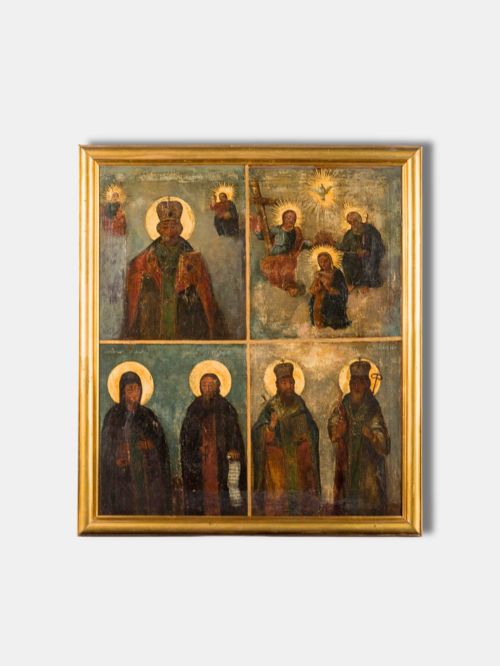
Certain religious canvases retain their original gilded wood frames, which complement the painted devotional scenes. The interaction of oil pigments and layered varnish creates depth within each sacred composition.
Retail Price Guide 2026
Typical UK retail prices for sacred art canvas, calculated from the Sellingantiques database of over a million retail prices indexed since 2003. This retail price guide relies exclusively on Sellingantiques data; no external sources or auction records are used, so the figures do not describe the wider market.
Divine Shepherdess imagery often includes hidden sheep gazing attentively toward the central religious figure.
What varies in quality
The handling of light and shadow across the canvas distinguishes ambitious studio pieces from simpler decorative interpretations. Preserved pigment integrity and original framing elements further elevate the standing of a canvas.
Juan Ruiz Soriano·Girolamo Dai Libri
The Antique Sacred Art Canvas Glossary
- Canvas
- A heavy woven fabric utilised as a support for oil paintings. It provides a flexible and durable ground for the application of gesso and pigment.
- Spanish Baroque
- A seventeenth-century artistic movement characterised by dramatic lighting and intense religious emotion. Works from this tradition often depict solemn devotional subjects with deep chiaroscuro.
- Renaissance Revival
- A nineteenth-century artistic style that drew inspiration from the forms and techniques of the fifteenth and sixteenth centuries. Painters in this mode consciously emulated earlier master compositions.
- Madonna and Child
- A traditional Christian art subject depicting the Virgin Mary with the infant Jesus. This motif appears frequently across various European painting schools.
Frequently Asked Questions
What periods do these paintings come from?
The available works span from the seventeenth century through to the nineteenth century. This temporal range encompasses both original Baroque production and later revival movements.
Each period brings distinct approaches to pigment application, canvas preparation, and religious iconography.
How should I care for an oil painting on canvas?
Keep the canvas away from direct sunlight, excessive moisture, and rapid temperature fluctuations to protect the oil pigments and woven support.
Dust the surface gently with a soft, dry brush and avoid using liquid cleaners on the paint layer.
What subjects are common in sacred art?
Frequent subjects include biblical figures, Marian devotions such as the Madonna and Child, and representations of saints and holy faces. These themes reflect the spiritual functions of the original commissions.
Artists often referenced established Renaissance and Baroque compositions when depicting these sacred narratives.
How do I identify a revival painting?
Nineteenth-century revival works often reinterpret the visual language of earlier Renaissance or Baroque masters while employing nineteenth-century canvas and stretcher construction methods.
Examining the pigment characteristics and the material of the support helps distinguish a revival piece from an earlier original.