




Mid 18th Century Painting
Mid 18th century painting brings portraiture and landscapes into your rooms, connecting you directly to the portrait sitters and European schools of the Georgian era.
Mid 18th Century Painting
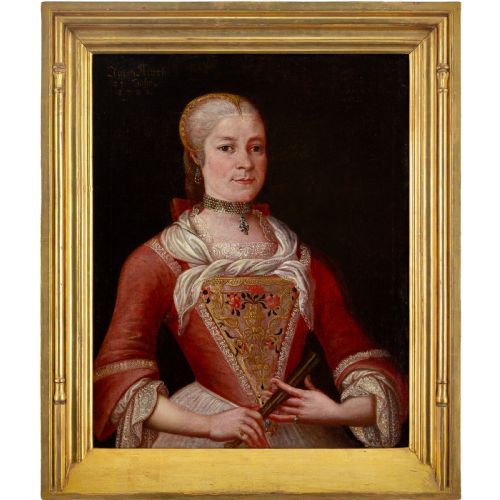
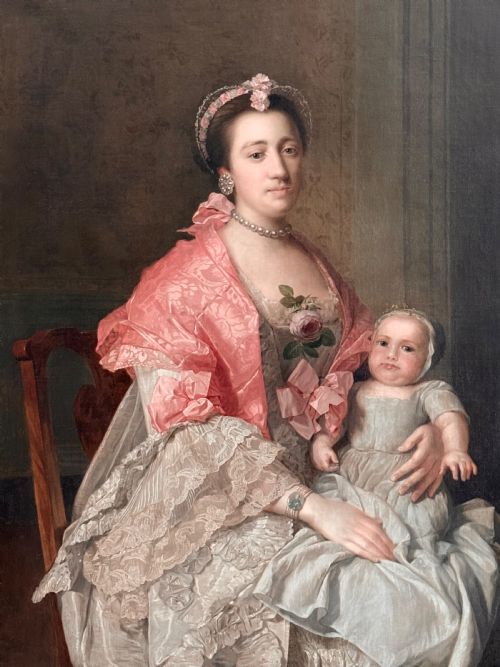
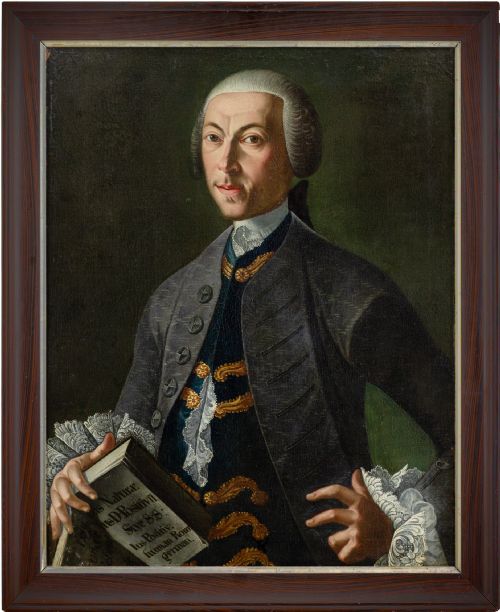
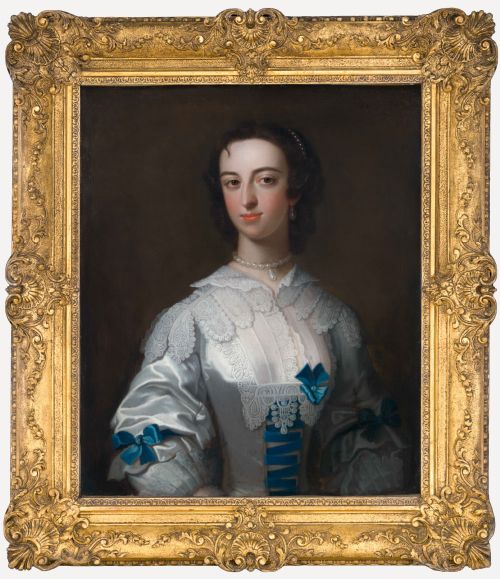
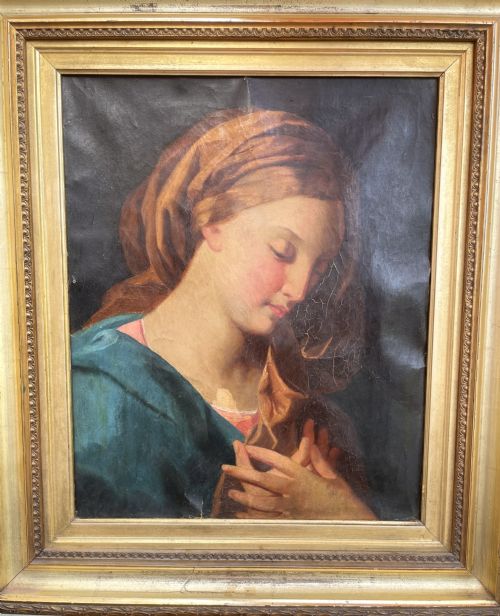
When you search for mid 18th century painting, you encounter works produced across European artistic centres during the Georgian period. The majority of pieces appearing under this description are oil paintings on canvas, frequently housed in their original or period frames.
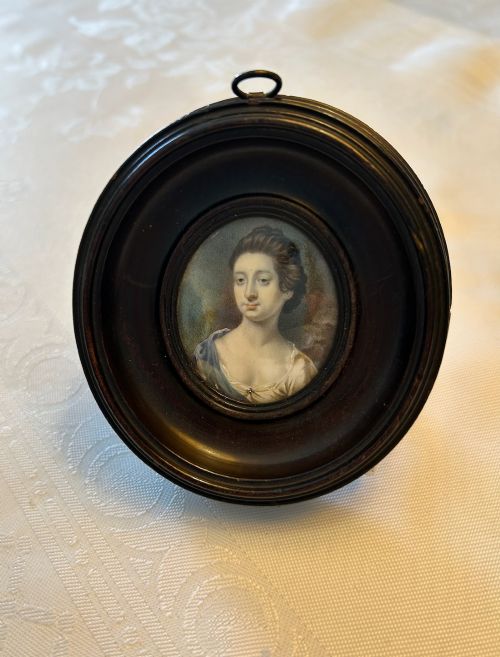
Portraits dominate the available inventory, depicting sitters from English, French, German, Italian, and Spanish schools. Alongside these formal canvases, you find smaller portrait miniatures, watercolour sketches, landscapes, and seascapes.
Regional workshops and continental schools shape the character of each canvas. Works range from provincial depictions of local gentry to sophisticated religious and classical compositions associated with major studios.
How They Were Made
Artists of this era applied oil paints to stretched canvas or wooden panels, building up layers of pigment to achieve depth in clothing and skin tones. Watercolour washes on paper also record the preparatory techniques of the period.
Frames play a crucial role in the physical construction of these artworks, utilising carved wood and giltwood to complement the visual weight of the painting. Many frames retain their original gilding or ebonised finishes.
Pigments were mixed by hand in the studio using natural earths and minerals. This technique results in the characteristic muted palette and stable ageing seen in surviving canvases.
Mid 18th Century Painting Retail Price Guide 2026
Typical asking prices for mid 18th century painting among the pieces listed under this phrase on Sellingantiques today, from the lower quarter to the upper quarter. They describe what is for sale here now, not the wider market.
Sitters often posed with specific props like a posy, a letter, or a cherry basket to signal their personal interests.
What Varies in Quality
The hand of the artist dictates the upper tier of the market, where named masters and documented studio followers produce refined facial expressions and accurate anatomical proportions. Lesser examples stem from anonymous provincial schools with stiffer execution.
Condition and originality separate preserved works from heavily restored ones. Canvases retaining their original stretchers, untouched paint layers, and period giltwood frames hold greater integrity than those with extensive relining.
Subject matter and compositional complexity influence the importance of a piece. Portraits displaying detailed lace, armour, or identifiable heraldry represent higher levels of patronage than standard bust-length studies.
Sir Allan Ramsay·Henry Pickering·Pompeo Batoni·George Knapton·Andrea Soldi·Thomas Hudson·Sir Joshua Reynolds·Samuel Scott·Johan Horner
The Mid 18th Century Painting Glossary
- Oil on Canvas
- Pigments bound in a drying oil applied to a woven fabric support stretched over a wooden frame. This medium allowed artists to blend tones smoothly and work on a large scale.
- Giltwood Frame
- A wooden moulding coated with a thin layer of gold leaf over a prepared gesso ground. These frames provide structural support and decorative enclosure for paintings.
- Portrait Miniature
- A small, intimate painting executed on a delicate scale, often depicting an individual in fine detail. These works were frequently encased in ebonised frames for personal display.
- Old Master
- A term applied to European painters of high skill working before the nineteenth century. It encompasses both major masters and their documented studio assistants.
- School
- A grouping of artists working in a particular region, period, or under the direct influence of a master. It helps categorise provincial or continental works where a specific individual cannot be named.
Mid 18th Century Painting: Frequently Asked Questions
Where should I hang an 18th-century canvas?
Position oil paintings away from direct sunlight and strong heat sources to protect the canvas and the underlying pigments. Stable indoor humidity prevents the wooden stretcher and frame from warping.
Choose an interior wall with balanced ambient light that allows the muted tones of the oil paint to be viewed clearly without glare.
Are original frames important?
Original giltwood and ebonised frames contribute significantly to the historical integrity and visual harmony of the artwork. They were designed specifically to complement the proportions and palette of the painting.
Matching a period frame to an unmounted canvas requires careful attention to the scale and national origin of the work.
What is the difference between a master and a studio work?
Works by a master display the signature brushwork, confident composition, and superior anatomical execution characteristic of the primary artist. Studio pieces were produced under the master's supervision, often with assistance from pupils.
Attributions in listings reflect whether a painting is by the hand of the artist or generated within their immediate circle.