

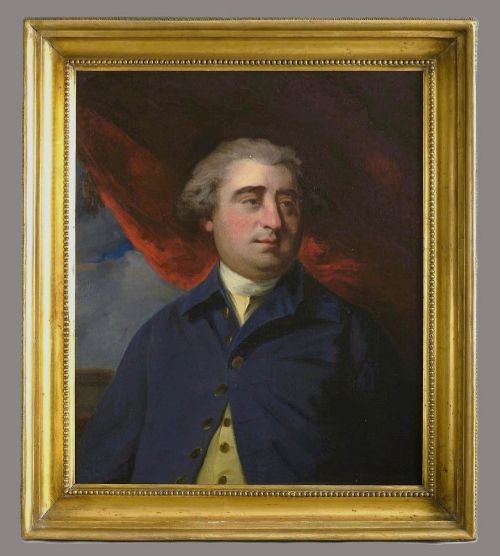
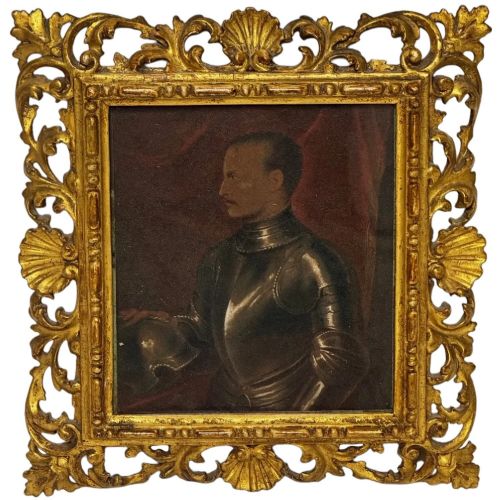
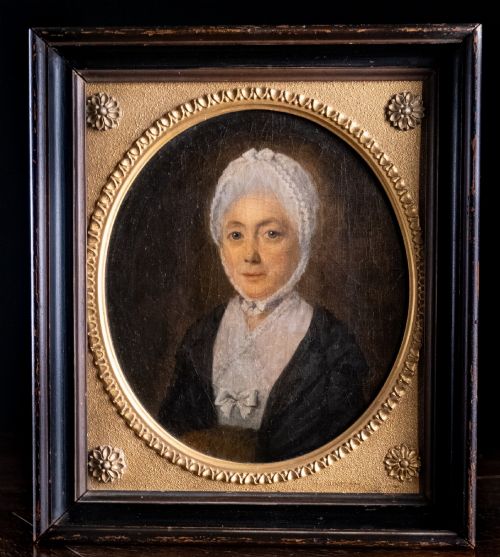
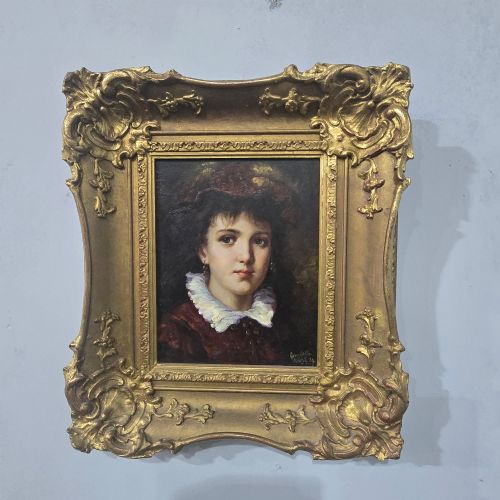
Gilded Wood Framed Portrait
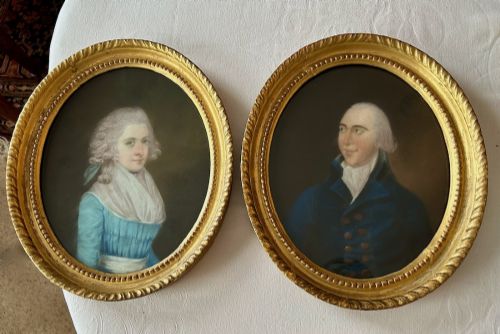
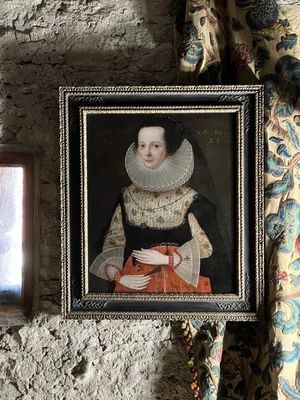
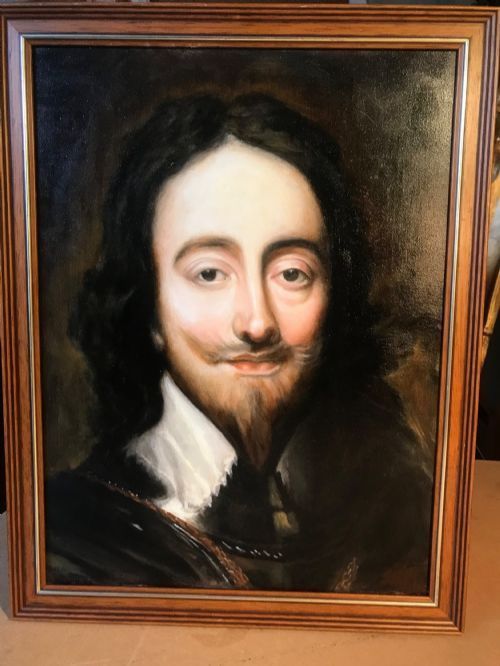
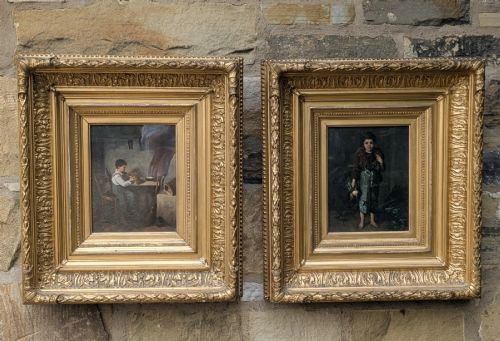
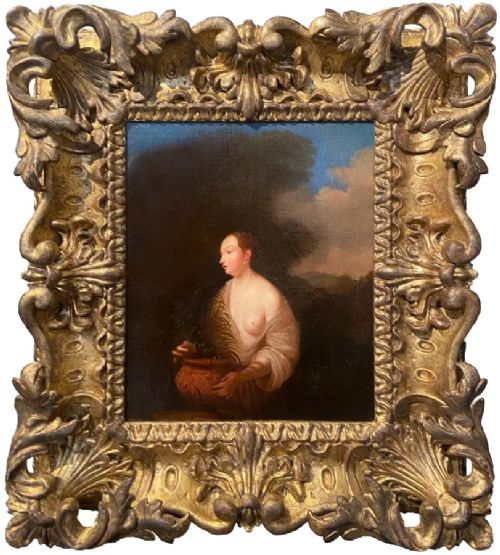
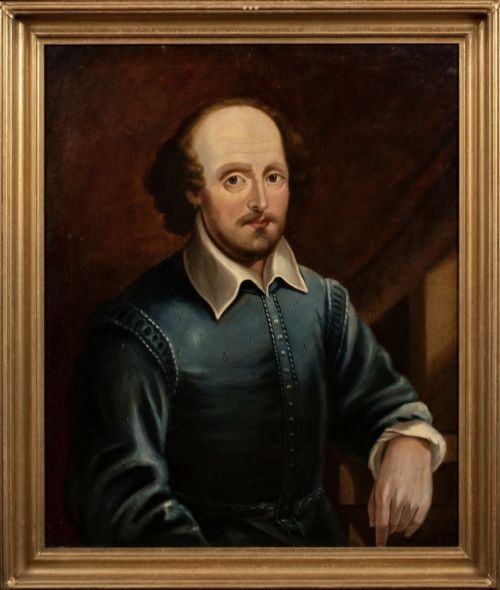
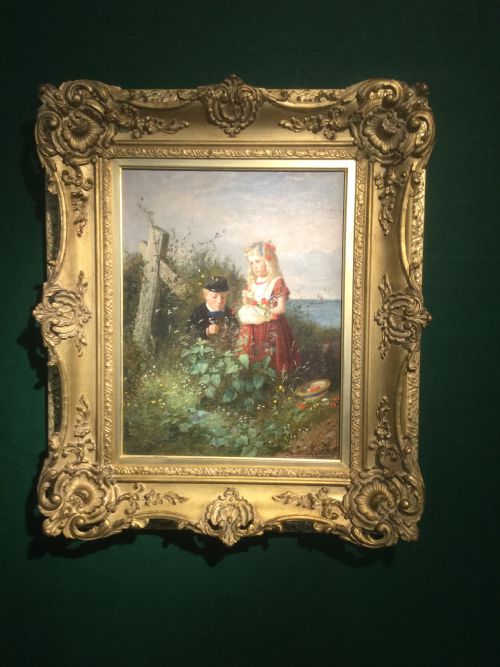
Every gilded wood framed portrait brings together oil on canvas and gold leaf to hold centuries of faces within bright surrounds.
Gilded Wood Framed Portrait
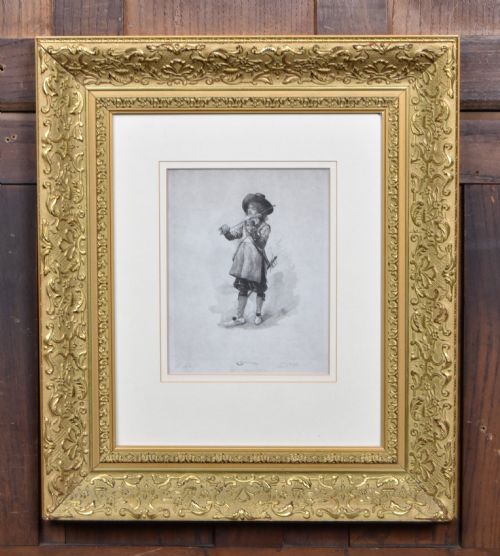
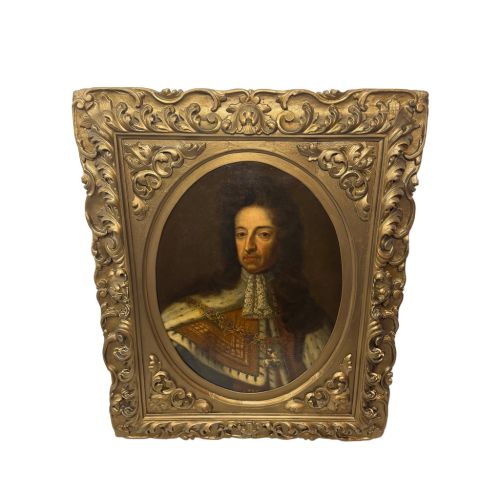
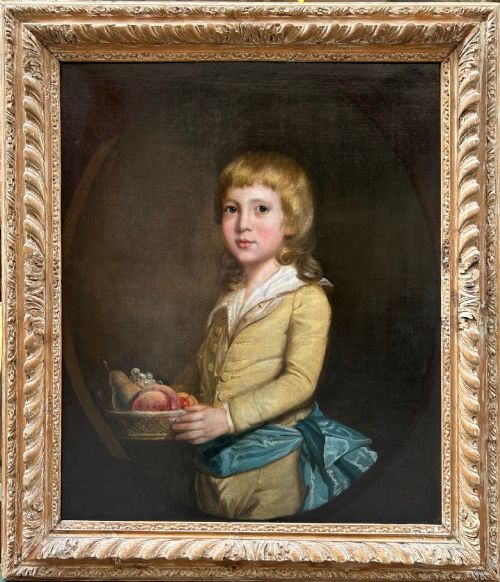
The most common form encountered here is the nineteenth-century oil painting or pastel housed within a deep, moulded gilt frame. Works range from British and European schools featuring nobility and children to folk art and classical reproductions.
Framed works also incorporate engravings, oleographs under glass, and relief plaques, demonstrating how portraits were preserved and displayed across the Georgian, Victorian, and Edwardian eras.
Materials and construction
Makers formed the picture frames using timber bases coated in layers of gesso to create smooth surfaces for gilding. Sheets of gold leaf were then applied by hand over sizing, sometimes burnished to achieve high reflectivity.
Canvas, panel, and paper served as the primary supports for the artwork itself, rendered in oil paint, pastel, or watercolour. Protective glass occasionally covers works on paper or delicate prints to shield them from atmospheric damage.
Gilded Wood Framed Portrait Retail Price Guide 2026
Typical asking prices for gilded wood framed portrait among the pieces listed under this phrase on Sellingantiques today, from the lower quarter to the upper quarter. They describe what is for sale here now, not the wider market.
Listings feature works spanning the 17th century through to the mid-20th century, utilising oil, pastel, and print on canvas, board, and paper.
Assessing the pieces
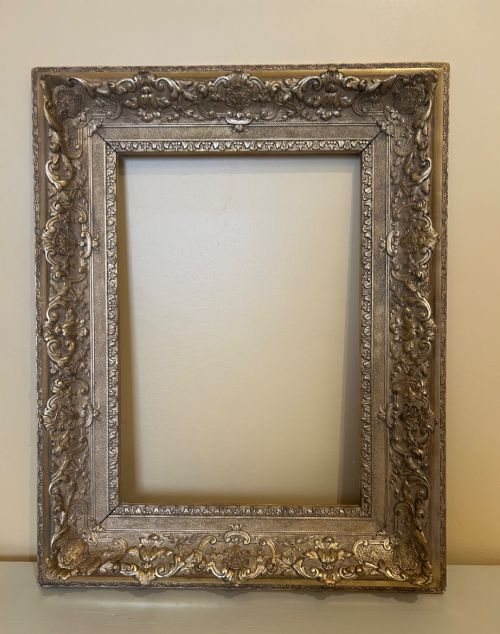
Quality rests upon the depth of the carving and the integrity of the original gilding on the frame. Hand-modelled gesso ornamentation displays crisp relief and careful tooling compared to mass-produced moulded alternatives.
The skill of the painting execution, the preservation of the canvas or paper support, and the harmony between the artwork and its period frame determine the standing of each piece.
Emily Eyres·Sir Joshua Reynolds·Gian Paolo Pace·Thomas Beach·Toussaint Gelton·Thomas Spinks·Charles Hunt·Hans Holbein·Allan Ramsay·Alfred Arthur Brunel de Neuville·David Teniers·John Hunter·Raphael·Alice Anne Renshaw·Abraham Cooper
The Gilded Wood Framed Portrait Glossary
- Giltwood
- Wood that has been coated with gold leaf or gold paint. This technique provides a luminous metallic finish popular on decorative picture frames.
- Gesso
- A plaster mixture applied to a wooden frame base to create a smooth surface for gilding. It allows craftsmen to carve intricate relief details before applying gold leaf.
- Oleograph
- A mechanical colour lithograph printed on canvas to imitate an oil painting. These reproductions became common during the nineteenth century.
- Pastel
- A medium consisting of powdered pigment mixed with a binder and shaped into sticks. Works created in this dry medium require glass protection.
Gilded Wood Framed Portrait: Frequently Asked Questions
How do I clean a gilded frame?
Dust the surface gently with a soft, dry brush to prevent the loss of fragile gold leaf.
Avoid using water, liquid cleaners, or solvents, which can dissolve the underlying gesso and ruin the metallic finish.
Are these frames original to the paintings?
Many antique portraits retain frames from the same period as the artwork, though replacements and period-matched pairings occur frequently.
Inspect the rebate and fitting behind the frame to understand how long the painting and surround have stayed together.
What is an oleograph?
An oleograph is a textured lithographic print on canvas designed to mimic the appearance of an oil painting.
Popular in the nineteenth century, these pieces offered an accessible way to display art within ornate gilt frames.
How should I hang a heavy framed portrait?
Support heavy wood and gesso frames directly from wall studs using robust picture hooks rated for the weight.
Avoid relying solely on old brass rings or stretched wire if the timber frame is deep and substantial.