



Antique Military Uniform Portrait
An antique military uniform portrait captures the formal dignity and historical gravity of soldiers, sailors, and commanders across centuries of service.
Antique Military Uniform Portrait
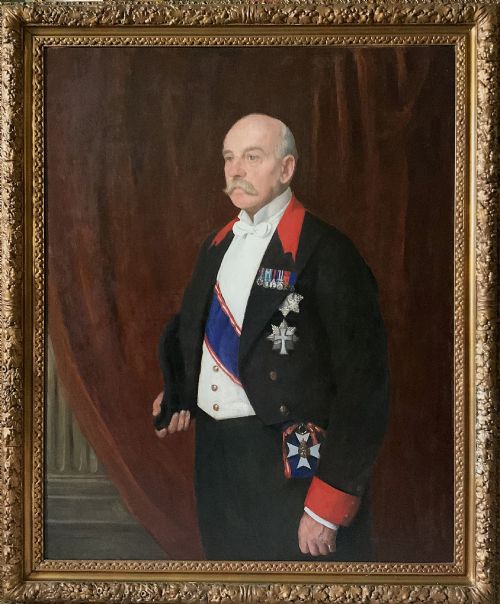
When you search for an antique military uniform portrait, you encounter depictions of officers, generals, and naval commanders rendered in various artistic mediums. The selections span from the 18th century through to the mid-20th century, encompassing Georgian, Regency, Victorian, and Edwardian aesthetic periods.
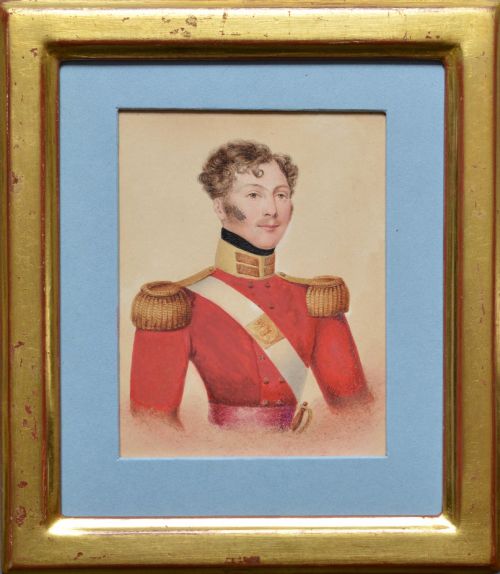
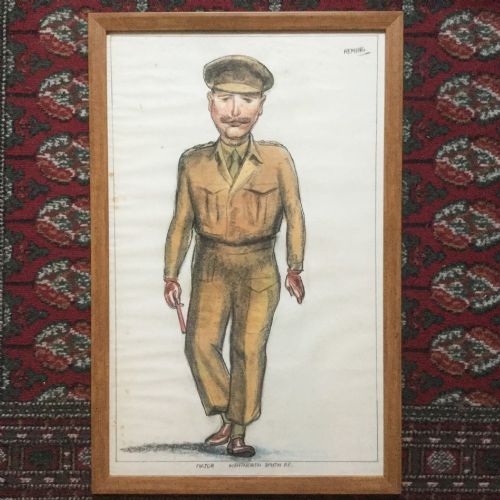
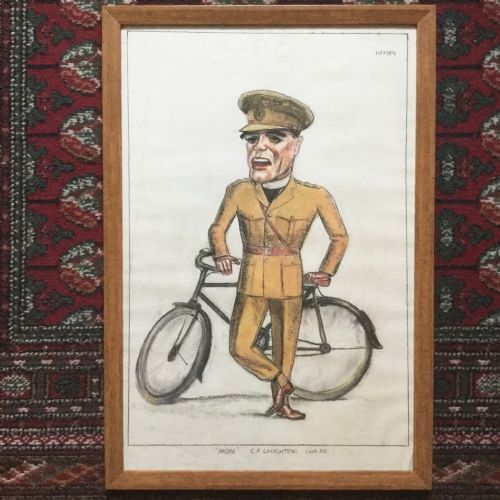
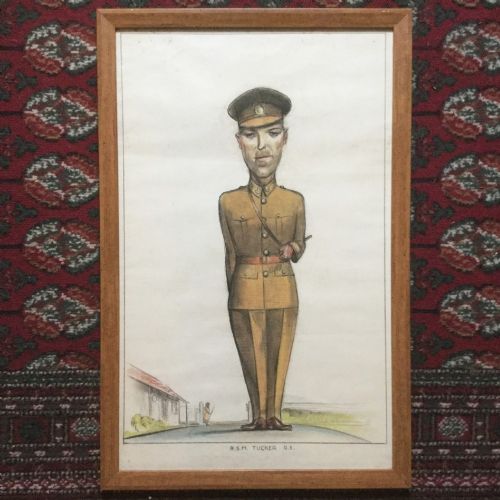
The physical formats vary widely across the available items, ranging from monumental oil paintings on canvas to intimate portrait miniatures and delicate works on paper. You find framed watercolours, pastel and gouache sketches, drawings on panel, and even original wartime portrait sketches from the 1940s.
Subjects include identified historical figures such as admirals, generals, and royalty, alongside anonymous officers of specific regiments like the Staffordshire 80th Regiment of Foot or the Royal Engineers. These artworks function simultaneously as military records and pieces of fine art, often framed for wall display.
Materials and Techniques
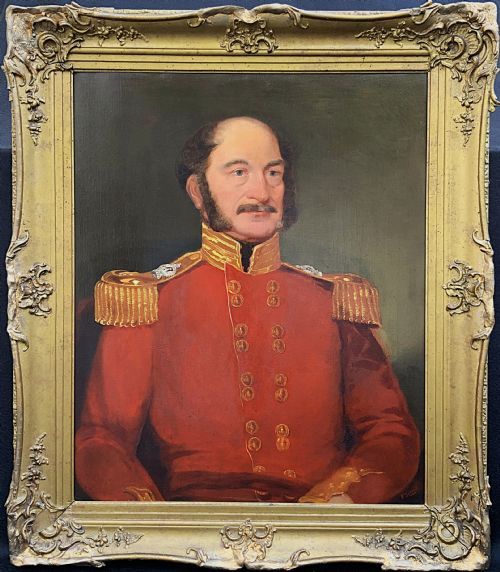
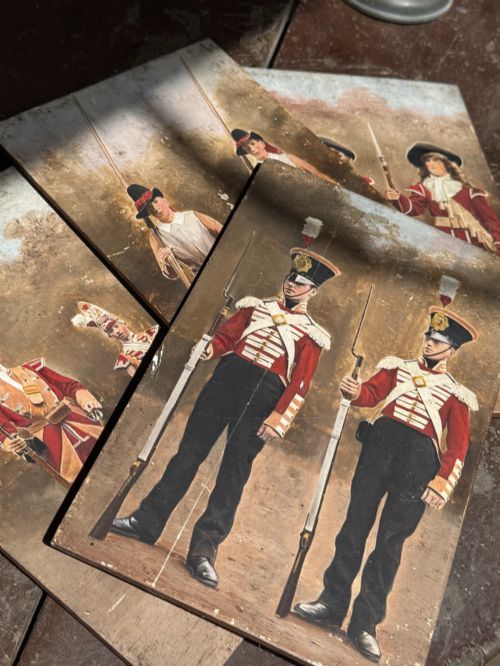
Artists traditionally utilised oil paint applied to canvas or wood panel for large-scale commissions, achieving deep tones for red coats and ceremonial uniforms. Canvas and panel provide a durable support that preserves the fine details of medals, braiding, and regimental insignia over centuries.
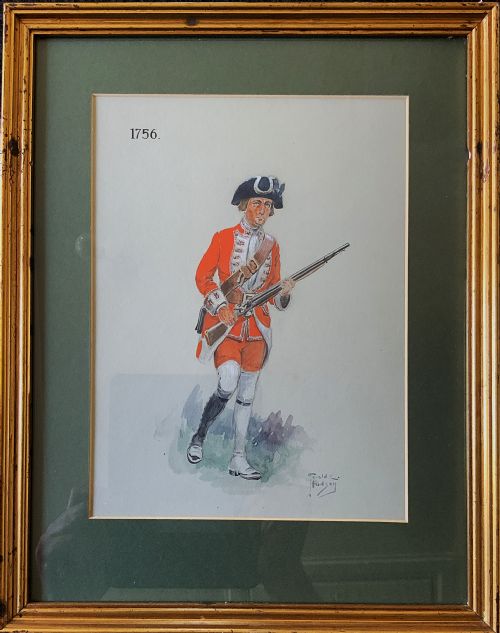
Works on paper rely primarily on watercolour, gouache, and pastel techniques, particularly for sketch-like portrayals and portable portrait miniatures. These water-based and dry mediums capture immediate likenesses and subtle facial expressions, often finished with wash details or mounted under protective glass.
Listings feature works spanning the 18th, 19th, and 20th centuries, executed in oil, watercolour, pastel, and gouache.
Evaluating the Artistry
The standard of execution in an antique military uniform portrait rests upon the precision of the facial likeness and the anatomical accuracy of the figure, whether mounted on a charger or shown half-length. Master painters render the intricate metallic threads of epaulettes, uniform braiding, and medals with convincing texture and light reflection.
Provenance and documentation elevate certain pieces, particularly when the artist is recorded or the sitter holds a documented historical rank such as general, admiral, or commander-in-chief. The integrity of the original framing and the preservation of the pigment - whether oil, watercolour, or pastel - further distinguish museum-grade works from standard decorative items.
Thomas Stonewall Jackson·John Simmons·Sir Thomas Lawrence·Edward Pugh·George Frederick Clarke·John Irvine·Henry Walton·Henry Hoppner Meyer·Samuel Lane·John Laviers Wheatley·Ruth Cecil Latter·Sir Richard Westmacott
The Antique Military Uniform Portrait Glossary
- Portrait miniature
- A small, highly detailed painting, usually executed on ivory, vellum, or paper during the 18th or 19th centuries. These intimate pieces were often carried by family members or presented as tokens of service.
- Gouache
- An opaque water-based paint that dries to a matte finish, frequently combined with watercolour in military portrait sketches. It allows artists to build solid areas of colour for uniform facings and sashes.
- Regiment
- A permanent unit of an army commanded by a colonel, whose specific uniforms, colours, and campaign histories provide vital clues for dating and identifying portrait subjects.
- Panel
- A rigid support made of wood used by painters instead of canvas, common in earlier periods and occasionally found in portable military art.
- Provenance
- The documented history of ownership of an artwork, establishing its authenticity and tracing the lineage of the piece from the sitter or artist to the present collection.
Antique Military Uniform Portrait: Frequently Asked Questions
What periods do these portraits cover?
The works span from the 18th century through the Georgian, Regency, Victorian, and Edwardian eras, extending into mid-20th-century wartime records.
Most pieces originate from the 19th and early 20th centuries, reflecting various historical conflicts and peacetime commissions.
How can I identify the regiment?
Uniform details such as colour, braiding, lapels, and cap badges indicate specific units, such as the Royal Engineers or dragoon guards.
Inscriptions on the reverse or accompanying documentation often name the sitter and their military rank.
Are these works painted on canvas?
While oil on canvas is common for monumental and half-length portraits, many pieces utilise alternative supports.
Artists also worked on paper using watercolour, gouache, and pastel, or painted directly onto wood panels.
Who are the subjects depicted?
Subjects include high-ranking military personnel such as generals, admirals, and commanders-in-chief, alongside lesser-known officers and soldiers.
Several portraits record specific historical figures, while others depict anonymous servicemen from various British and European regiments.