



18th Century Military Artwork
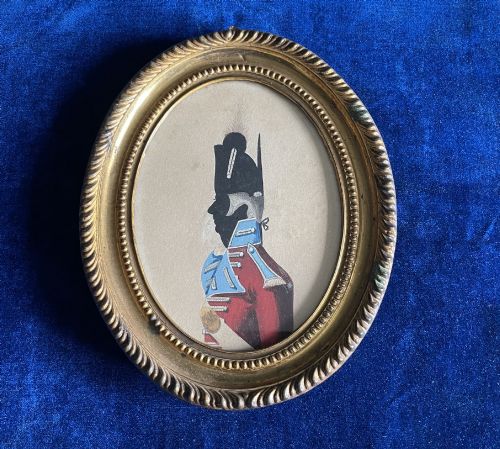
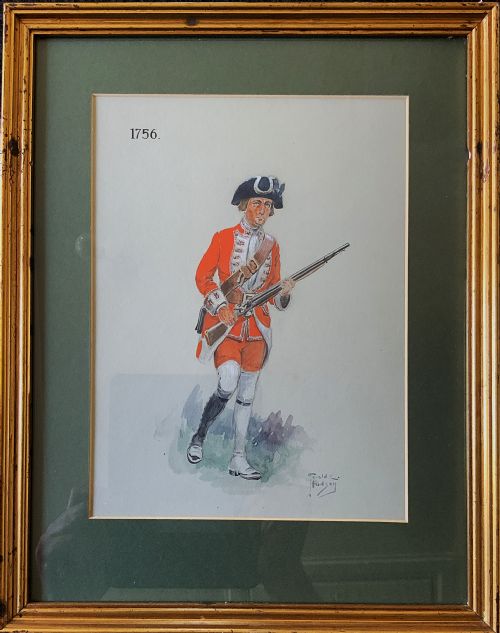
These pieces of 18th century military artwork capture officers, regiments, and naval commanders through oil, mezzotint, and wash, offering direct contact with historical command.
18th Century Military Artwork
When you search for 18th century military artwork, you encounter painted and printed records of officers, campaigns, and regiments. The selection on this page consists principally of oil on canvas portraits, portrait miniatures on agate, pen and wash drawings, and period engravings depicting British, European, and colonial military figures.
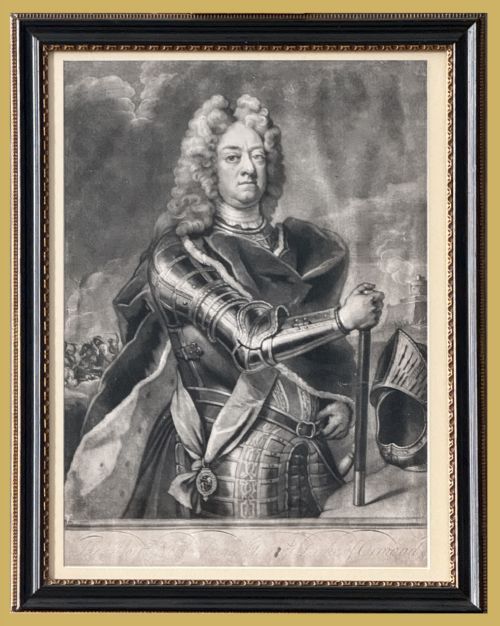
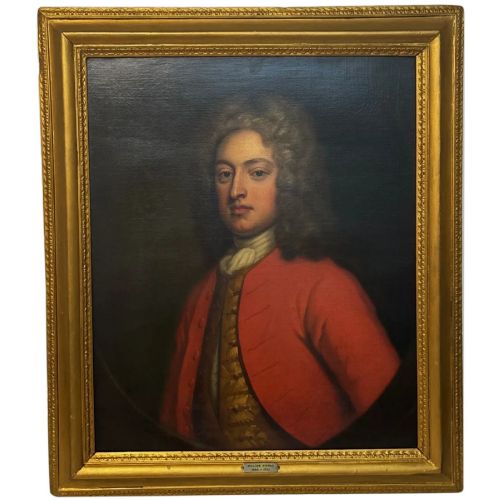
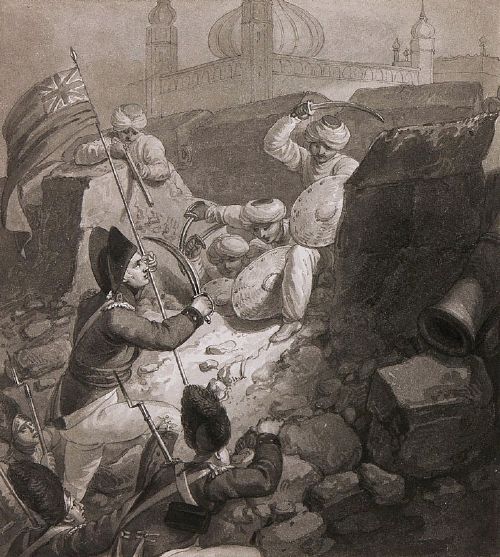
The subjects range from high-ranking generals and admirals to junior officers, naval commanders, and militia musicians. Alongside formal bust portraits in armour or uniform, the material includes narrative battle scenes and campaign records such as cavalry skirmishes and storming actions.
Materials and Techniques
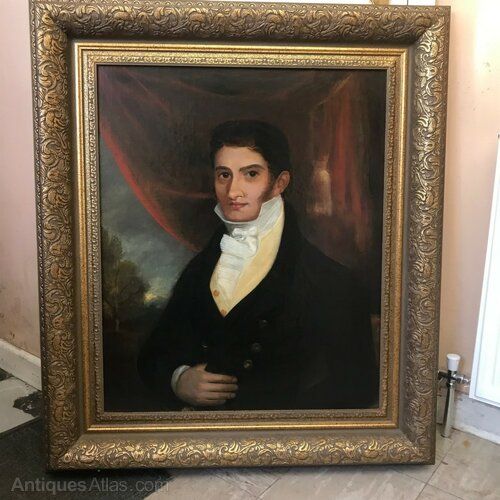
The works rely upon traditional mediums including oil on canvas, watercolour and wash, ink on paper, and delicate paint applied to agate panels. Framing utilises period materials such as giltwood and gold mounts, reflecting the high status of the subjects portrayed.
Printmakers employed mezzotint and engraving techniques to reproduce painted likenesses for wider circulation. Painters worked from life or contemporary sketches, capturing the precise details of period uniforms, medals, orders, and accoutrements.
Listings feature works spanning the 18th century, Regency period, and early 19th century, executed in oil, engraving, and watercolour.
Factors That Distinguish Quality
Quality rests upon the skill of the draughtsman or painter in rendering anatomical precision and the convincing textures of velvet, lace, metal armour, and braid. Works executed by accomplished hands exhibit a vitality in the sitter's expression and a confident handling of light across the uniform.
The survival of the original surface condition and contemporary framing significantly elevates a piece. Engravings and mezzotints derive their distinction from the clarity of the impression and the minimal wear to the plate.
John Simon·John Smith·William Marshall Craig·Nicolas De Largilliere·Henry Walton·Jean Baptiste Santerre·Gerrit Schipper·Robert Ker Porter·Harry Ashby
The 18th Century Military Artwork Glossary
- Mezzotint
- A printmaking process of the intaglio family where the plate is roughened to achieve rich dark tones and subtle tonal gradations. It was widely utilised in the period for translating oil portraits into collectible prints.
- Portrait Miniature
- A small, highly detailed portrait executed on vellum, card, copper, or agate. These intimate items were often housed in gold frames and carried on the person.
- Engraving
- A print created by cutting lines directly into a metal plate with a burin. The resulting lines hold ink to produce sharp, detailed images on paper.
- Baroque
- An ornate artistic style characterised by drama, tension, and grandeur in portraiture and composition. It influences many of the earlier military paintings on view.
- Giltwood
- Wood that has been treated with a thin layer of gold leaf. Frames of this material are typical for high-status oil paintings of the era.
18th Century Military Artwork: Frequently Asked Questions
How do I identify a genuine period military portrait?
Examine the cut of the uniform, the style of the wig or hair, and the pigments used in the canvas or paper support. Period works show consistent ageing matching the eighteenth century rather than artificial distress.
The inclusion of specific historical medals or named regiments often allows cross-referencing with contemporary army lists and historical archives.
Were these artworks meant to be displayed publicly?
Many large oil portraits of generals and admirals hung in country houses, regimental messes, and institutional headquarters to project authority and lineage. Smaller miniatures and engravings were intended for private domestic spaces or personal carriage.
Officers frequently commissioned portraits to mark promotions, commands, or retirements from active service.
How should I care for eighteenth-century works on paper?
Works on paper, including engravings and wash drawings, require protection from direct sunlight to prevent fading of the ink and discolouration of the paper stock. Framing should utilise acid-free mounts and UV-filtering glass.
Maintain stable humidity levels in the room to prevent warping or the growth of mould on organic materials.