

Framed Canvas Military Art
Framed canvas military art brings centuries of commanders, campaigns, and regiments into domestic spaces through painted oils.
Framed Canvas Military Art
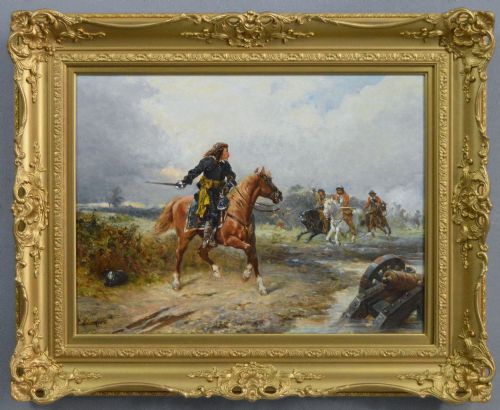
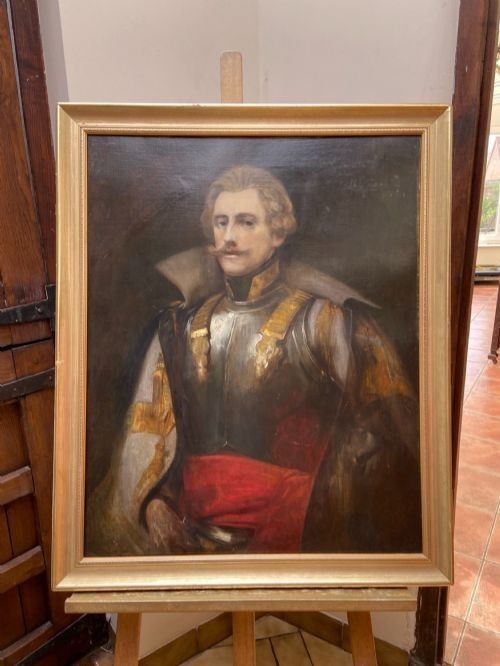
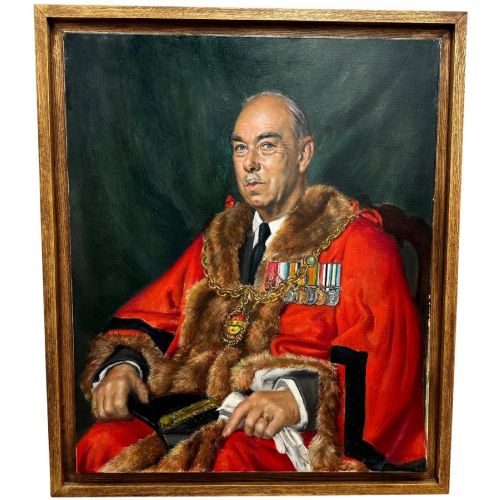
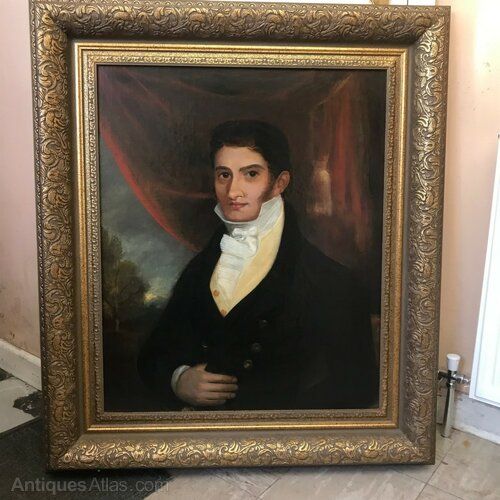
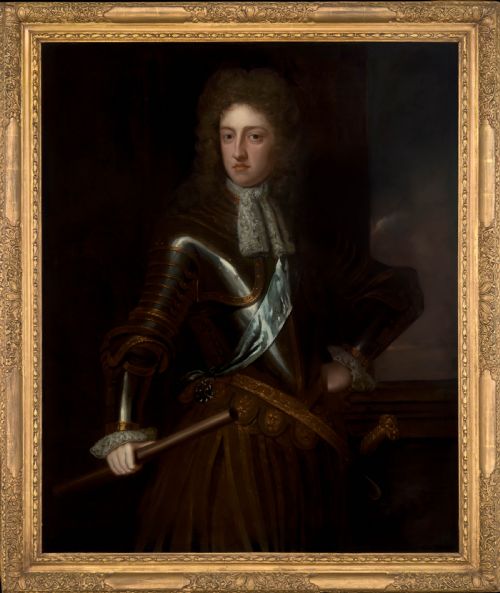
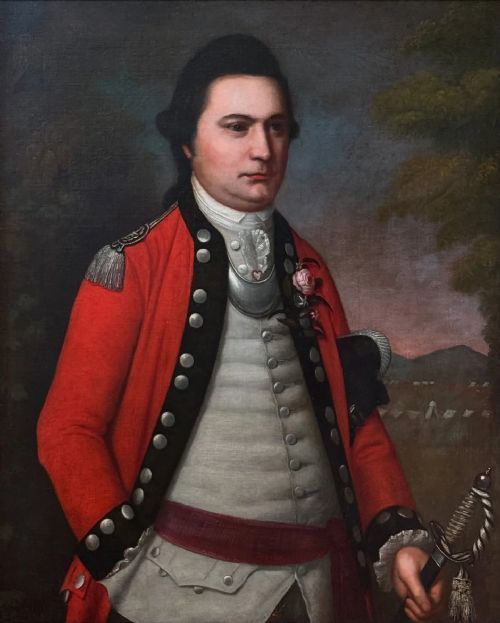
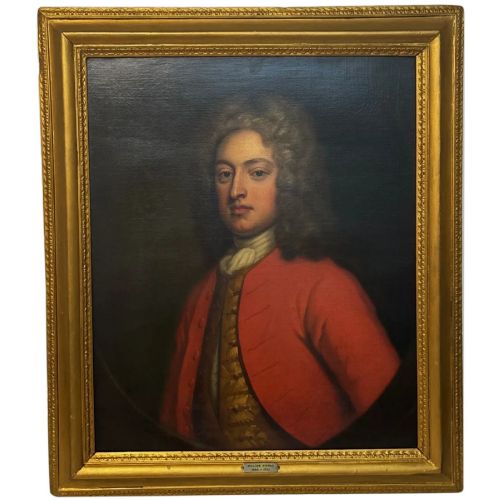
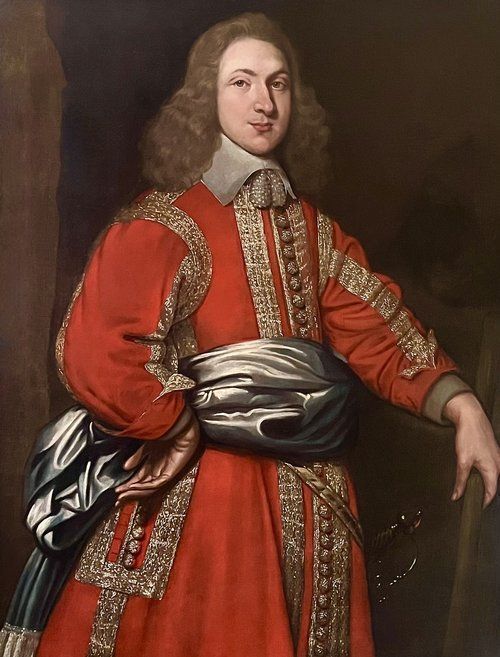
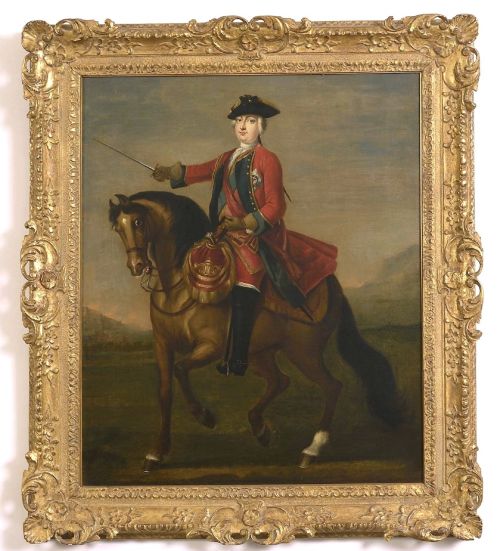
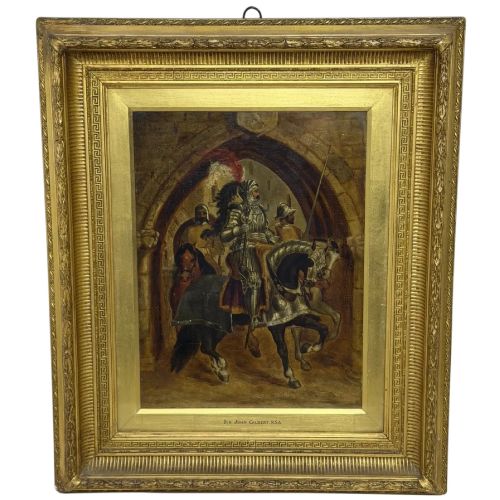
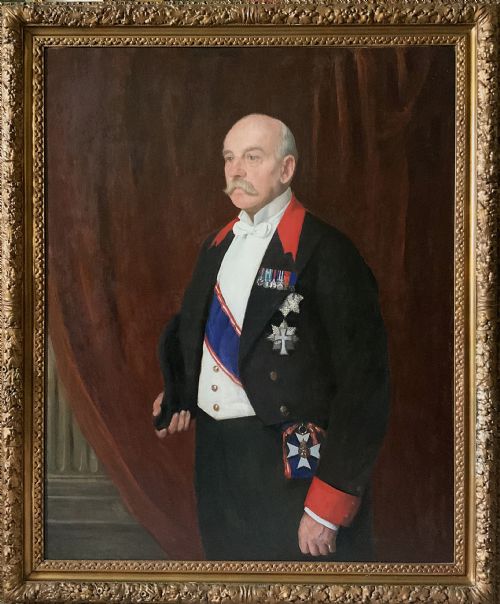
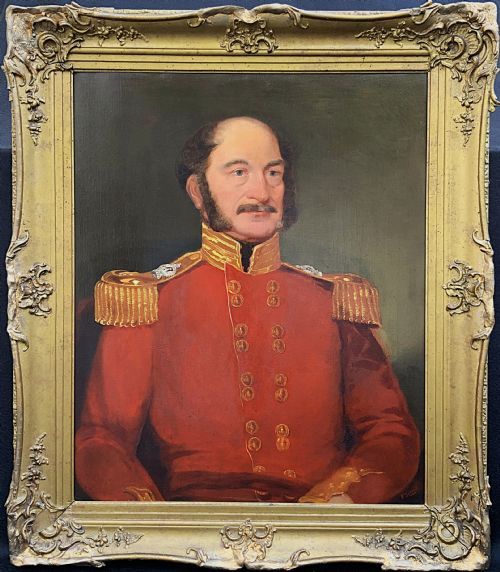
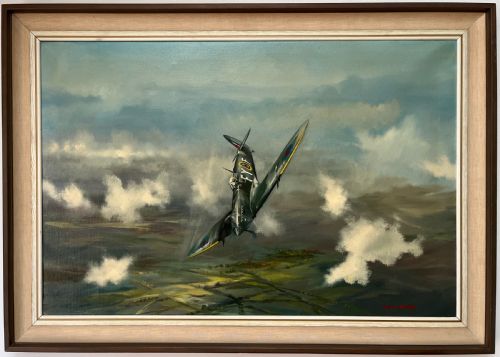
Framed canvas military art comprises oil paintings depicting officers, cavalrymen, naval commanders, and historical engagements across the seventeenth, eighteenth, and nineteenth centuries. Collectors encounter individual portraits in armour or red coats alongside narrative scenes of battles and skirmishes.
The works span distinct periods from the Baroque era through the Georgian and Victorian epochs, often preserved in heavy wooden or gilt frames. These pieces document military figures and historical actions through traditional portraiture and campaign scenes.
Materials and construction
Artists painted primarily with oil on stretched canvas, utilising layers of oil paint to render uniforms, armour, and facial likenesses with depth. The physical support consists of woven canvas fixed to wooden stretchers.
Surviving works are typically housed in frames made of wood, often finished with gold leaf or giltwood mouldings that complement the period of the artwork.
Several commanders gaze out sternly from their canvases, seemingly unimpressed by modern interior design choices.
Assessing quality in military canvases
The execution of the surrounding frame also influences the overall standard, with period giltwood mouldings adding significant integrity compared to later replacements.
Sir Godfrey Kneller·Sir Anthony van Dyck·Dion Pears·Ernest Crofts
The Framed Canvas Military Art Glossary
- Giltwood
- Wood carved and covered with a thin layer of gold leaf or gold paint. This finish appears frequently on period frames enclosing historical portraits.
- Oil on canvas
- Pigments bound with an oil medium applied to a woven fabric support. This technique provides the primary medium for the portraits and battle scenes found here.
- Baroque
- An artistic style spanning the seventeenth and early eighteenth centuries characterised by dynamic movement and dramatic lighting. Works from this period often show subjects in elaborate armour.
- Georgian
- The period covering the reigns of the four King Georges spanning the eighteenth and early nineteenth centuries. Portraits from this era frequently feature officers in red coats.
Framed Canvas Military Art: Frequently Asked Questions
How do I identify the rank of a military portrait subject?
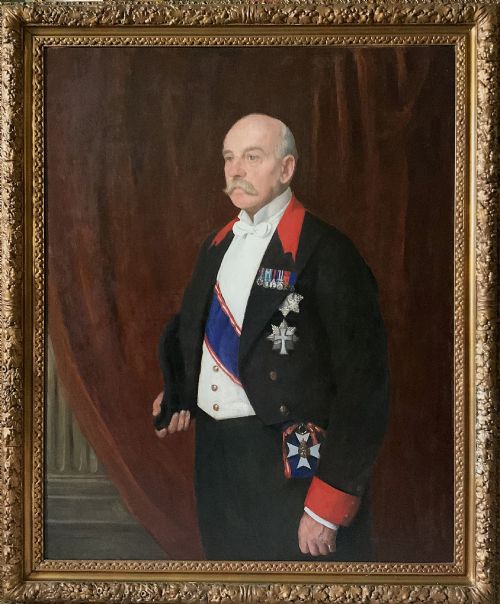
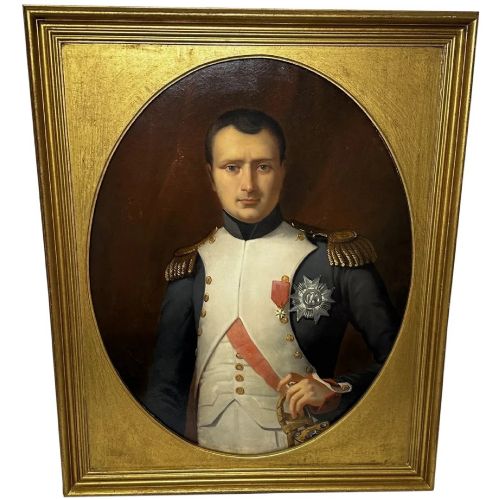
Uniform details such as collar insignia, lace, epaulettes, and the style of coat indicate the rank and regiment of the sitter. Red tunics and ceremonial dress often point to specific historical corps.
Background elements like naval ships, fortresses, or cavalry horses further clarify whether the subject served on land or at sea.
Where should I hang a large military oil painting?
These substantial works require sturdy wall fixings and adequate space to balance their visual weight. Placing them away from direct sunlight protects the oil pigments and canvas.
Pairing the canvas with traditional interior spaces allows the gilt frame and dark tones to complement surrounding period decor.
How can I tell a seventeenth-century portrait from a Victorian one?
Seventeenth-century works often feature subjects in heavy plate armour with rigid lace collars, reflecting Baroque conventions. Victorian military art tends to show softer brushwork, different uniform cuts, and distinct narrative framing.
Examining the canvas texture, stretcher construction, and style of the original wood frame helps confirm the era of creation.
What does a red coat indicate in these paintings?
A red coat typically signifies a British military officer or soldier from the eighteenth or nineteenth centuries. These garments display specific facings and lace patterns that identified particular regiments.
Portrait subjects wearing these uniforms were often painted to commemorate active service or high rank.