





Antique War Canvas Painting
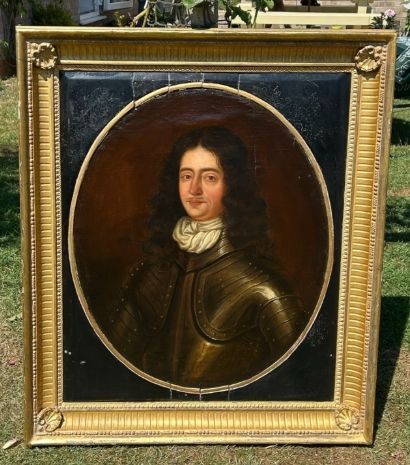
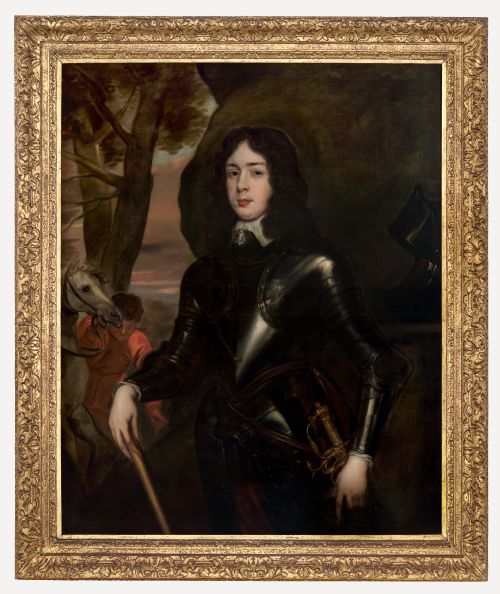
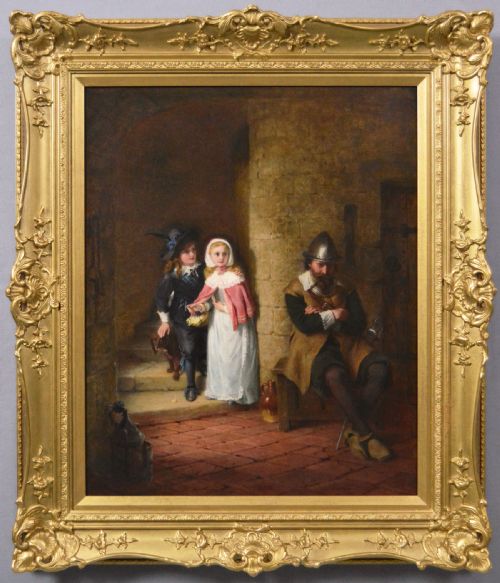
An antique war canvas painting captures historical conflict and military portraiture in oil, offering a direct window into past campaigns and notable figures.
Antique War Canvas Painting
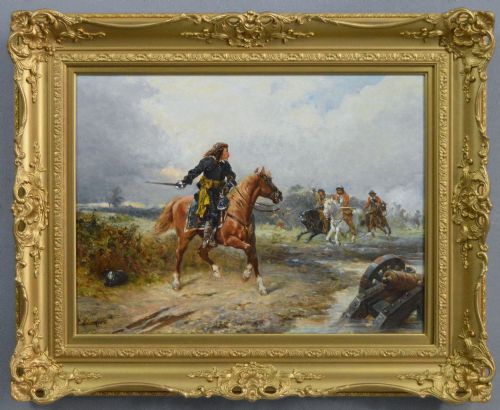
When you search for an antique war canvas painting, you encounter works spanning the seventeenth century through to the mid-twentieth century, including depictions of the English Civil War, the Crimean War, and the First World War.
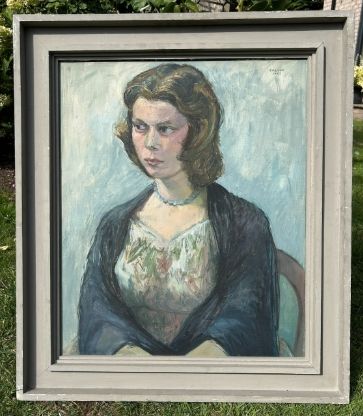
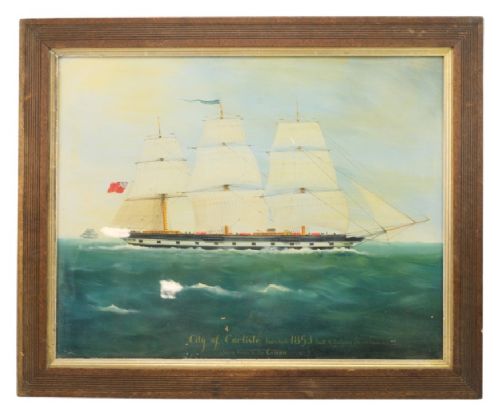
The pieces on this page range from detailed maritime sea battles and military engagements to focused portraits of generals, soldiers, and officers rendered in oil paint on canvas.
Originating across Victorian, Edwardian, and mid-century periods, these artworks utilise styles such as seventeenth century Baroque and nineteenth century realism to record historical military subjects.
Materials and construction
These works are painted using oil paint applied directly onto woven canvas supports, often stretched over wooden frames to maintain structural tension.
Many historical frames incorporate wood and gold leaf, specifically giltwood, which complements the layered oil pigments of the paintings.
Certain military portraits capture officers accompanied by their horses, ensuring both man and beast share the historical canvas.
Quality and execution
The distinction between ordinary and superior pieces rests on the artist's handling of human anatomy, military attire, and atmospheric depth within the oil medium.
Works attributed to documented artists or specific historical schools demonstrate a surer command of narrative composition and character likeness than anonymous studio productions.
Ernest Crofts·Francis Russell Flint·John Osborn·John Gilroy·Ruth Cecil Latter
The Antique War Canvas Painting Glossary
- Canvas
- A heavy woven fabric, typically made from flax or hemp, used as a sturdy support surface for oil paintings.
- Oil paint
- A slow-drying paint made by mixing pigments with a drying oil, most commonly linseed oil, allowing for rich colour blending.
- Giltwood
- Wood that has been coated with a thin layer of gold leaf or gold powder, frequently seen on period picture frames.
- Realism
- An artistic movement focusing on everyday subjects and historical events without idealisation, prominent in nineteenth century military art.
Antique War Canvas Painting: Frequently Asked Questions
How do I identify the period of a war painting?
Examine the uniform styles, weaponry, and facial hair depicted in the composition, which typically correspond to known military eras such as the English Civil War or the Crimean campaign.
Supporting evidence from the canvas weave, stretcher construction, and framing materials further helps confirm whether the work dates from the seventeenth century or the mid-century period.
What subjects are common in these war paintings?
Common subjects include named military commanders, regiment troop movements, battlefield engagements, and naval clashes involving historic ships.
Artists frequently recorded specific historical actions, ranging from roundhead and royalist skirmishes to twentieth-century military portraits.
How should I care for an antique oil painting?
Keep the canvas away from direct sunlight, excessive heat sources, and rapid humidity fluctuations to prevent the oil paint from cracking and the wooden stretcher from warping.
Dust the surface gently with a soft, dry brush and avoid using water or chemical cleaning agents on the painted canvas.
Are these paintings signed by the artists?
Some canvases bear legible signatures or inscriptions identifying the painter, while others are attributed to specific historical schools or anonymous makers based on stylistic analysis.
Documentation on the reverse or within the framing often provides additional clues regarding the authorship and date of creation.