


Gilded Military Wall Art
These gilded military wall art pieces bring centuries of regimental portraiture and battle scenes into your rooms.
Gilded Military Wall Art
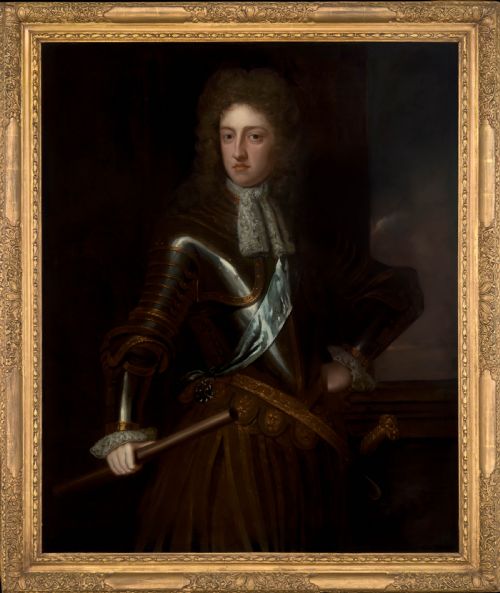
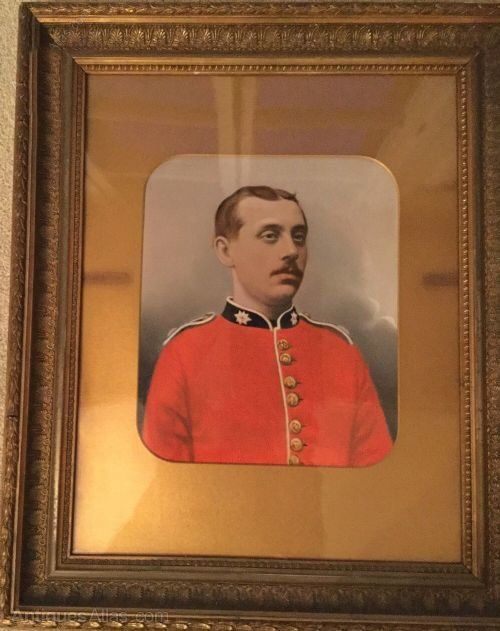
Gilded military wall art covers historical portraits of officers and soldiers, alongside battle scenes and cavalry skirmishes, housed within ornate frames. You will encounter oil paintings on canvas alongside framed prints, tapestries, and watercolours spanning from the seventeenth century through to the twentieth century. The selection ranges from seventeenth-century oil paintings of noble commanders to nineteenth-century depictions of guardsmen and volunteer rifle soldiers.
The styles shift across the periods, moving from Baroque court portraiture and Italian School cavalry scenes to Victorian realism and twentieth-century interpretations. These works frequently record specific historical figures, regiments, and engagements, offering a direct visual record of military history. Collectors find both large master oil paintings and smaller framed studies among the pieces.
Materials and Construction
The physical objects rely on traditional artist materials, predominantly oil paint applied to woven canvas or wood panels, alongside paper for prints and drawings. Gilt wood and giltwood frames provide the characteristic metallic border that defines these pieces, often exhibiting intricate carved moulding. Tapestry embroidery and woven textiles also appear, utilising coloured threads to render historical subjects like Napoleonic campaigns.
Makers built these frames using seasoned timber beneath layers of gesso and gold leaf, which creates the bright reflective surface surrounding the artwork. Canvases are stretched over wooden frames and secured with traditional fixings, while oil paints are layered to achieve depth in uniforms and horses.
Listings feature works across multiple mediums including oil on canvas, glass, paper, and gilt wood.
Factors That Determine Quality
Quality rests upon the skill of the artist's brushwork, particularly in the rendering of facial expressions, uniform details, and equine anatomy in cavalry scenes. Superior examples demonstrate a confident handling of light and shadow, giving three-dimensional presence to the figures depicted. Studio work by recognised masters or documented painters stands apart from anonymous provincial production.
The condition of both the artwork and its gilt frame significantly influences the standard of the piece. Original frames that retain their historic gilding without heavy modern restoration preserve the integrity of the object. Furthermore, the clarity of the provenance and the historical importance of the subject matter elevate individual works.
Sir Godfrey Kneller·David Scougall·Paul Leon Jazet·Francis Russell Flint·Frederick Henry Howard Harris·Philips Wouwerman
The Gilded Military Wall Art Glossary
- Giltwood
- Wood that has been covered with a thin layer of gold leaf or powder. This material creates the bright, reflective borders common on historic picture frames.
- Baroque
- An ornate artistic style prevalent from the seventeenth into the eighteenth century. It is characterised by dramatic movement and deep contrast between light and dark.
- Provenance
- The documented history of ownership of an object. This record helps establish the authenticity and historical context of a painting.
- Oil on Canvas
- A painting technique using pigments suspended in a drying oil applied to stretched fabric. This medium allows for rich blending of colours and durable preservation.
- Cavalry Skirmish
- A visual representation of a battle involving mounted soldiers. These dynamic scenes frequently showcase horses in motion and dramatic military encounters.
Gilded Military Wall Art: Frequently Asked Questions
What periods do these military artworks cover?
The selection spans several centuries, starting from seventeenth-century portraits and cavalry scenes through the Georgian, Victorian, and Edwardian eras. Later twentieth-century pieces, including First World War caricatures and 1950s battle paintings, also appear.
This broad timeline means you can find works reflecting distinct artistic movements, from Baroque court painting to twentieth-century realism and military illustration.
How do I identify the subject of a portrait?
Many portraits include inscriptions on the canvas, labels on the reverse, or contemporary documentation that names the sitter, such as nobility or specific military officers. Uniform details, medals, and regimental colours also offer clues to the rank and unit of the person depicted.
Consulting historical records or military archives often helps connect an anonymous uniform to a specific regiment from the nineteenth century or earlier.
Are the frames original to the paintings?
Frames are evaluated individually, as some retain their original seventeenth or eighteenth-century giltwood settings while others have been reframed in later periods. The style of the carving and the wear on the gold leaf help indicate whether the frame matches the age of the canvas.
Historic frames often show minor losses to the gesso work, which is typical for items of considerable age that have hung in various interiors.
How should I care for an oil painting on canvas?
Oil paintings require stable environmental conditions away from direct sunlight, excessive heat, and rapid humidity fluctuations to prevent the canvas from sagging or cracking. Dusting should be done gently with a soft, dry brush without applying pressure to the paint surface.
Professional conservation cleaning is recommended if the varnish yellows or accumulates grime over the decades, ensuring the colours remain visible.
What is the difference between a painting and a framed print?
Paintings are unique, hand-rendered works created with oil paint on canvas or panel by an artist. Framed prints and engravings are mechanically or manually reproduced works on paper that could be produced in multiple impressions.
While both offer historical wall art, oil paintings display visible brush texture and impasto, whereas prints present a flat inked surface under glass.