


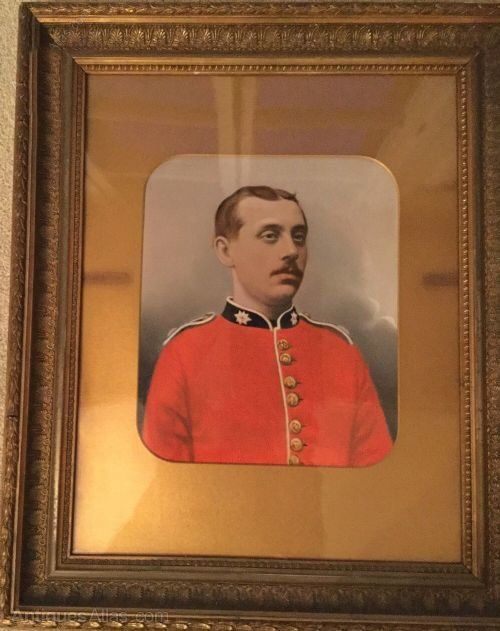

Oil Painting Military Officer
An oil painting military officer captures the solemn dignity and service of historical commanders on canvas.
Oil Painting Military Officer
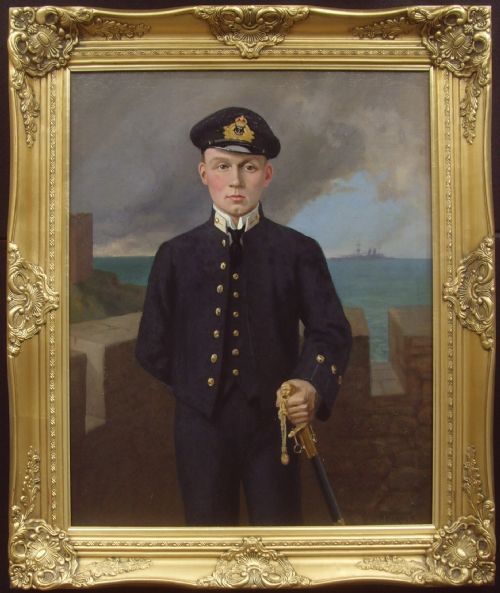
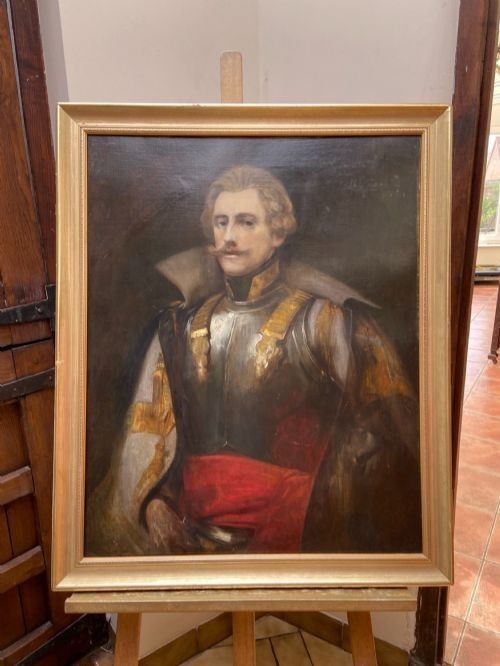
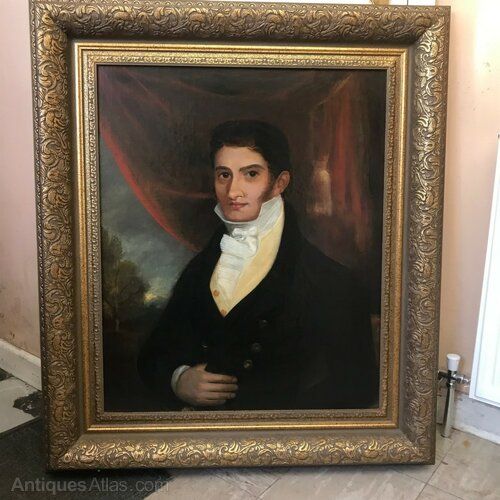
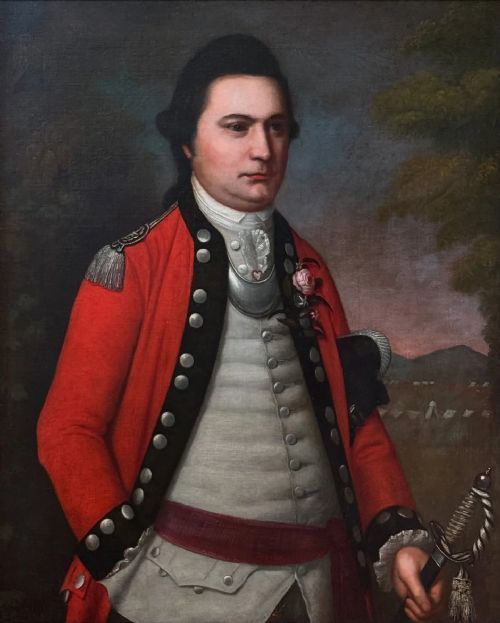
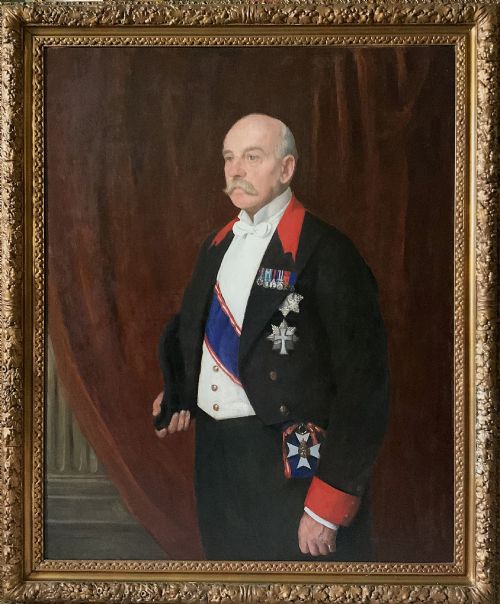
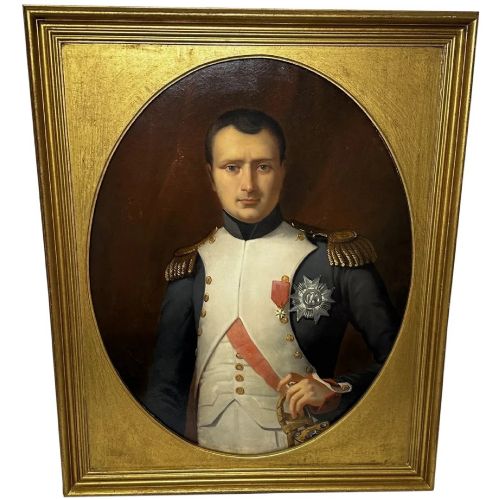
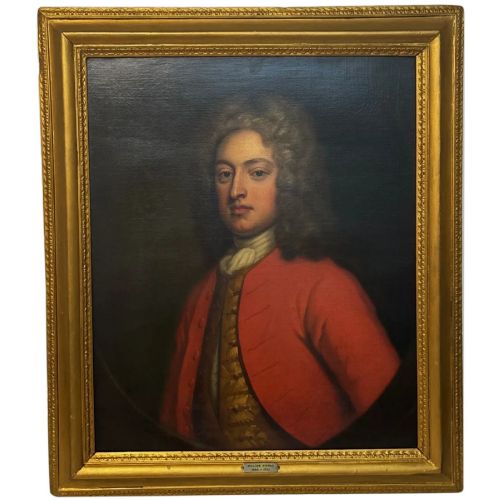
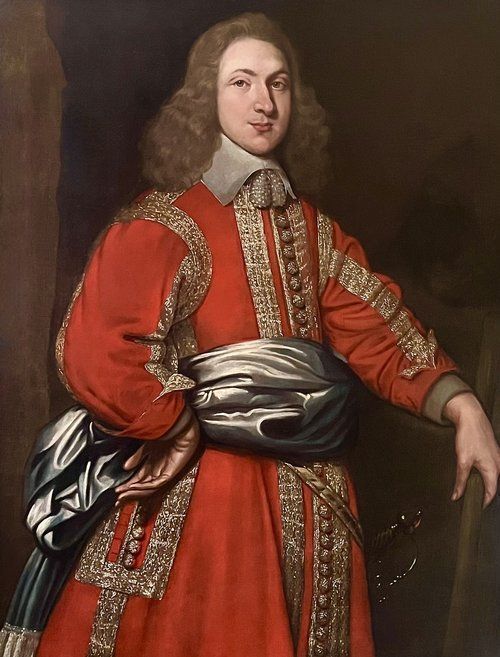
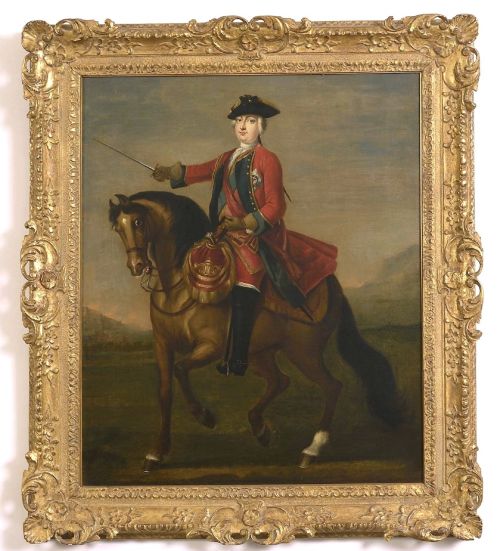
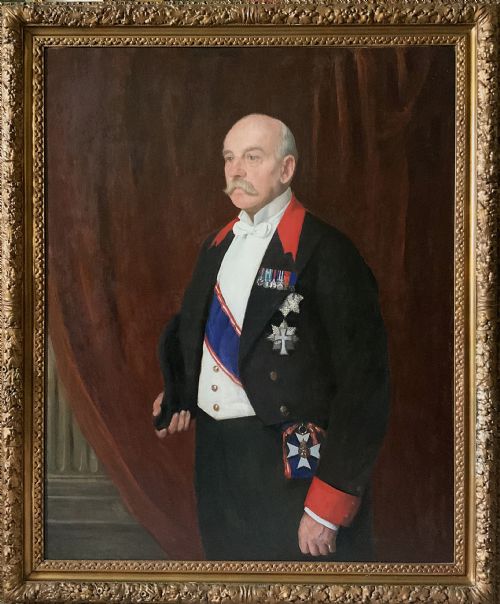
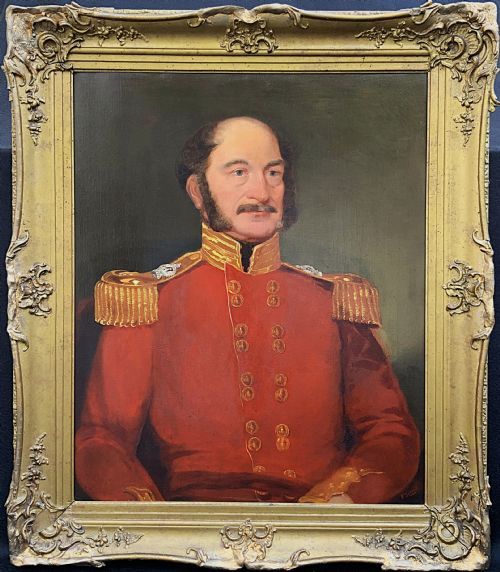
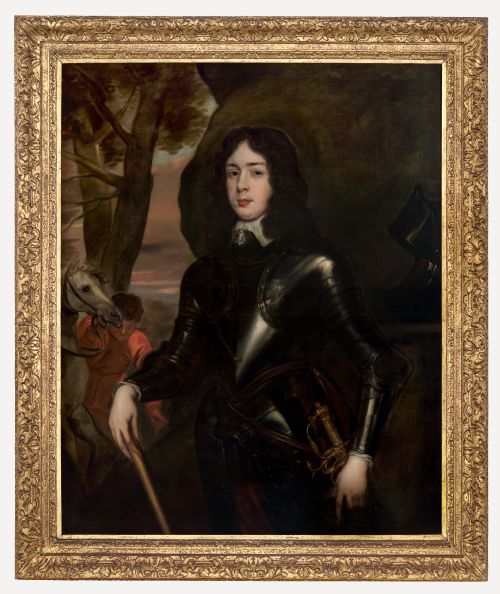
An oil painting military officer depicts figures from various armed services, ranging from infantry lieutenants and cavalrymen to senior generals and admirals. These works document the likenesses of historical military personnel through formal commissions and record their uniforms, medals and rank.
The pieces span multiple centuries, with significant representation from the seventeenth, eighteenth and nineteenth centuries alongside later twentieth-century examples. Common formats include bust-length studies, large-scale monumental canvases and equestrian compositions featuring subjects in active service or formal dress.
Subjects appear in distinctive historical attire such as red coats, naval jackets, ceremonial tunics and armour. Artists across different European schools document these commanders, capturing both British regiments and continental military forces.
Materials and technique
Many surviving works retain their original period framing, often constructed from carved wood and finished with giltwood or gold leaf. These frames complement the scale and status of the officer depicted within the composition.
Several officers share canvas space with their trusted horses and grooms, ensuring the livestock looks just as stern as the commander.
Judging quality and execution
Quality in these portraits rests upon the skill of the brushwork and the accuracy of anatomical and uniform rendering. Master painters achieve subtlety in facial expression and texture in textiles such as wool tweed, velvet and brass buttons.
Compositional ambition also separates standard workshop pieces from superior works. Monumental scale, inclusion of horses, landscape backgrounds or detailed military accoutrements elevate the visual impact of the canvas.
Sir Thomas Lawrence·John Wootton·Thomas Hudson·George Frederic Watts·William Carter
The Oil Painting Military Officer Glossary
- Oil on Canvas
- A traditional painting medium where pigments suspended in oil are applied to a woven fabric support. This technique provides deep colour saturation and longevity.
- Giltwood
- Wood that has been coated with a thin layer of gold leaf or powder. It frequently appears on nineteenth and eighteenth-century frames.
- Epaulette
- An ornamental shoulder piece worn on military uniforms to denote rank. They feature prominently in officer portraits alongside medals and sashes.
- Equestrian
- A genre of painting depicting a subject on horseback. In military art, this format emphasises command and movement in the field.
Oil Painting Military Officer: Frequently Asked Questions
How do I identify the regiment?
Examine the visible uniform details, collar patches, facing colours and buttons shown in the paint. Specific regiments often recorded distinct uniform variations in their tunics.
Cross-reference these visual clues with the historical period of the canvas and any accompanying biographical notes on the sitter.
What is the typical scale?
Sizes range from intimate bust-length panels designed for domestic interiors to monumental canvases commissioned for public buildings or grand halls.
Larger formats often incorporate horses, battle backdrops or full-length depictions of senior commanders.
How should I clean the canvas?
Surface dust should be removed gently using a soft, dry brush without applying pressure to the paint layer. Avoid using water or chemical cleaners on aged oil paint.
Professional conservators should handle deeper cleaning or varnish removal to prevent damage to the historic surface.
Are signatures common on these?
Many historical portraits remain unsigned because artists operated within workshops or produced commissions without formal branding. Monograms or signatures, when present, usually appear in the lower corners.
Attributions often rely on stylistic comparisons, archival records or historical provenance rather than an explicit signature.