



Spanish Baroque Religious Painting
Spanish baroque religious painting brings intense devotion and dramatic light into a room through centuries-old oil on canvas and polychrome wood.
Spanish Baroque Religious Painting
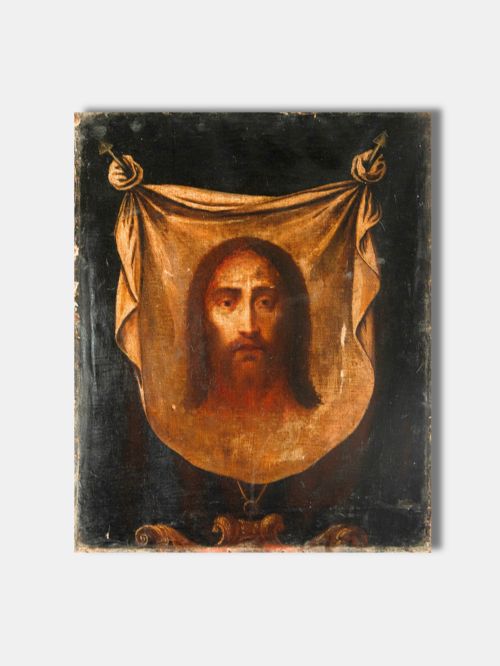
A spanish baroque religious painting is a devotional work originating from seventeenth and eighteenth century traditions, capturing saints, figures, and sacred narratives with profound gravity. The selection here spans oils on canvas and carved wooden sculptures finished in polychrome paint and gesso.
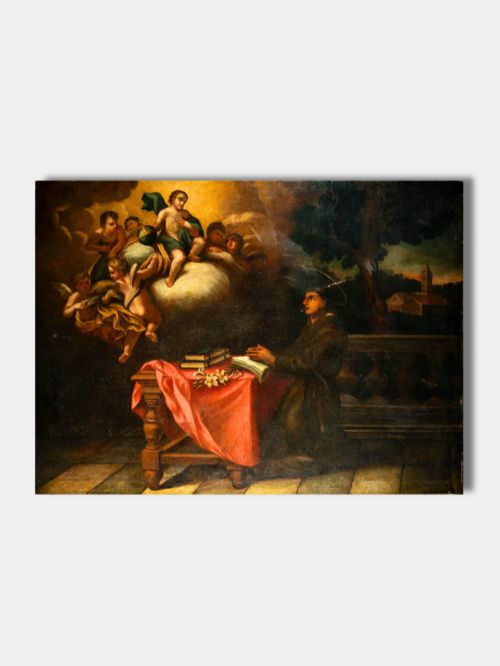
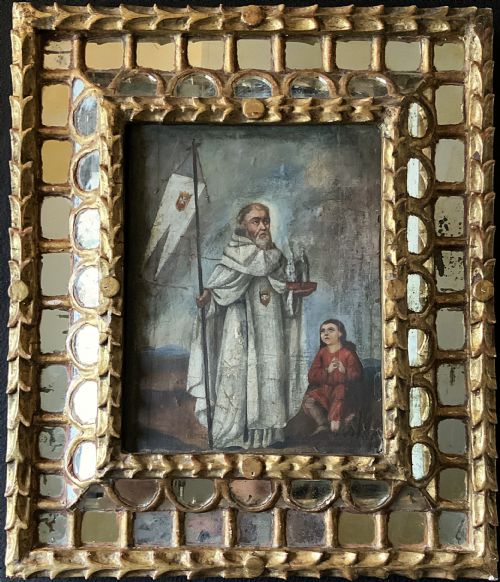
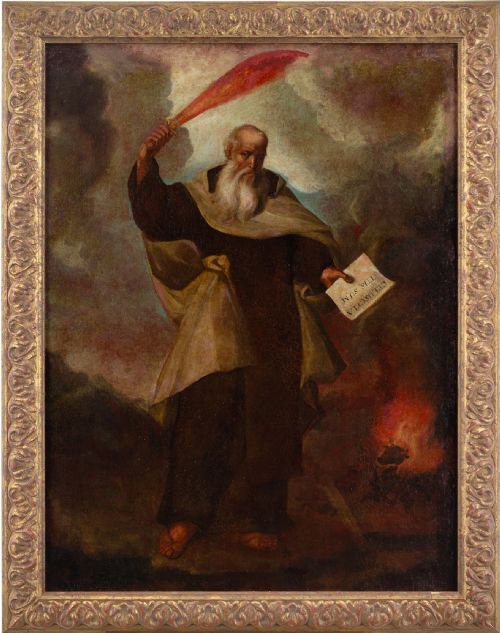
Buyers encounter regional expressions such as spanish colonial pieces alongside works from the Madrid school and circles of known painters. Subjects range from portraits of the Virgin Mary and child to monumental depictions of Saint Anthony of Padua and Saint Elijah.
Most items emerge from the seventeenth and eighteenth centuries, bearing the characteristic dark palette and theatrical illumination associated with the period style. Occasionally, later revival pieces or interpretations after Murillo appear within the collection.
How they were made
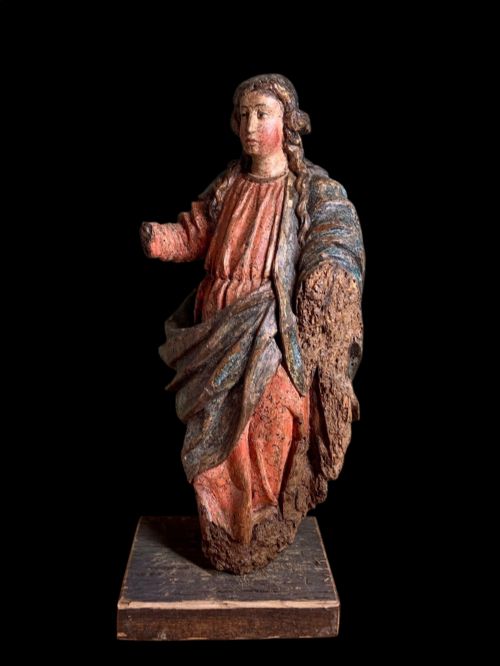
Painters applied oil paint directly onto prepared canvas supports, often framing the finished devotional scenes in original or period giltwood. Artisans shaped wooden sculptures by hand, building up surfaces with gesso before applying rich polychrome paint and gilding.
The listings feature seventeenth and eighteenth century dates alongside baroque, colonial, and revival styles.
What varies in quality
The strength of the composition and the expressive handling of the oil medium distinguish finer canvases from simpler workshop productions. Mastery in rendering anatomy, drapery, and facial emotion elevates a portrait or narrative scene significantly.
Carved wooden figures show variation in the delicacy of the polychrome finish, the preservation of original gilding, and the anatomical precision of the carving. Greater depth in the layering of gesso and paint results in a more lifelike and enduring presence.
Juan Ruiz Soriano·Gaspar de Figueroa·Bartolomé Murillo
The Spanish Baroque Religious Painting Glossary
- Polychrome paint
- Pigments applied in multiple colours to wood or other sculptural surfaces. This technique brings realism and visual warmth to carved figures of saints.
- Gesso
- A traditional white paint mixture consisting of a binder mixed with chalk, gypsum, or pigment. It served as a smooth preparation base for wooden sculptures and panels before gilding or painting.
- Baroque
- An artistic style originating in the seventeenth century characterised by grand scale, dramatic contrast, and emotional intensity. It dominated religious art across Spain and its colonies.
- Giltwood
- Wood that has been treated with a thin layer of gold leaf or powder. It frequently surrounds canvas paintings in ornate decorative frames.
- Spanish Colonial
- Art produced in the Spanish territories of the Americas that adapted European baroque techniques to local cultural and material conditions. These pieces often blend traditional iconography with distinct regional craftsmanship.
Spanish Baroque Religious Painting: Frequently Asked Questions
What subjects appear in these paintings?
Canvases typically depict venerated figures including the Virgin Mary, the infant Christ, and various saints such as Saint Anthony of Padua, Saint Roche, and Saint John the Baptist. Narrative scenes focus on holy visions, divine shepherds, and traditional religious iconography.
Many works draw inspiration from master painters like Murillo, reflecting the widespread devotion and artistic output of seventeenth and eighteenth century religious culture.
How do I care for an oil on canvas?
Keep paintings away from direct sunlight, high humidity, and rapid temperature fluctuations to protect the canvas support and the oil pigments. Dust the surface gently with a soft, dry brush without applying pressure.
Avoid using water or chemical cleaning agents on the paint layer or the surrounding giltwood frame. Professional conservation is recommended for any structural repairs or cleaning.
Are the wooden sculptures painted?
Figures of saints are carved from wood and finished with layers of gesso and polychrome paint, often enhanced with gold leaf. This traditional method created durable devotional statues with realistic skin tones and coloured garments.
Over centuries, these painted surfaces may show age-related craquelure or minor losses to the pigment, which form part of their historical character.
What is colonial art?
Colonial art refers to works produced in overseas territories under Spanish rule during the baroque period. These pieces combine European religious subjects with local materials and distinct stylistic interpretations.
They share the dramatic light and devout themes of continental baroque painting while offering a unique window into global artistic exchange.