

Victorian Equestrian Portrait
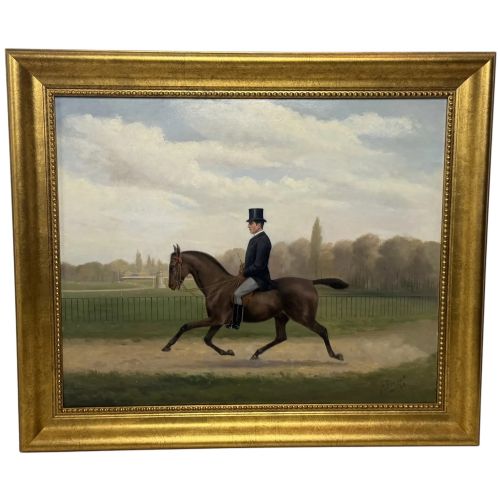
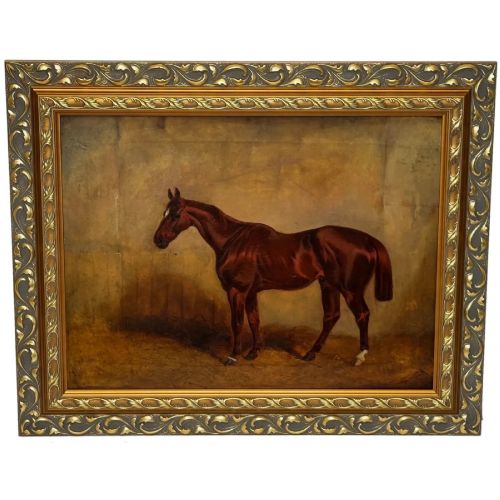
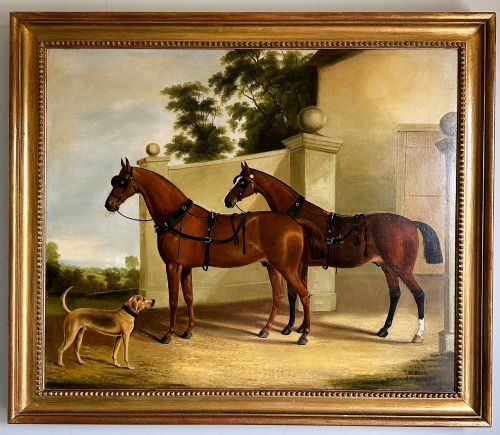
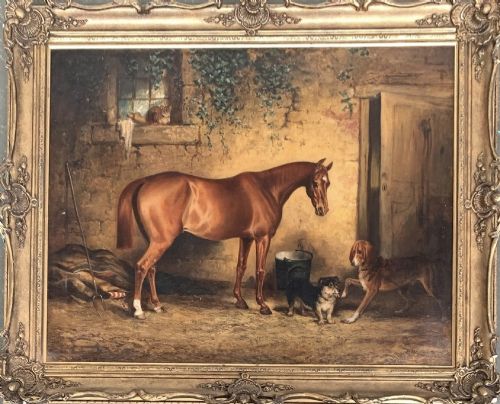
A victorian equestrian portrait captures the powerful bond between horse and rider or records a prized animal in oil or watercolour.
Victorian Equestrian Portrait
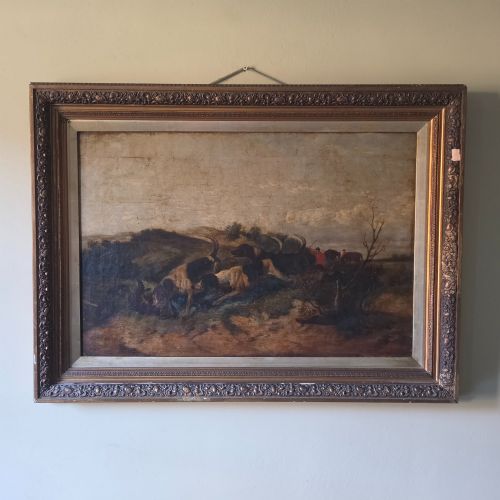
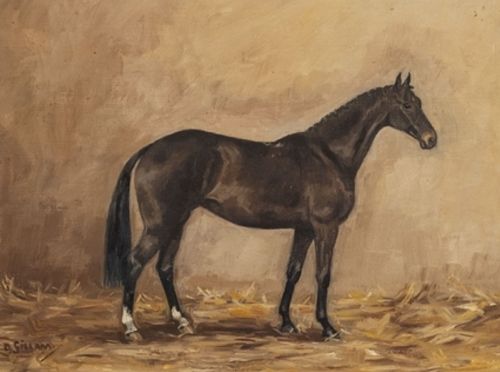
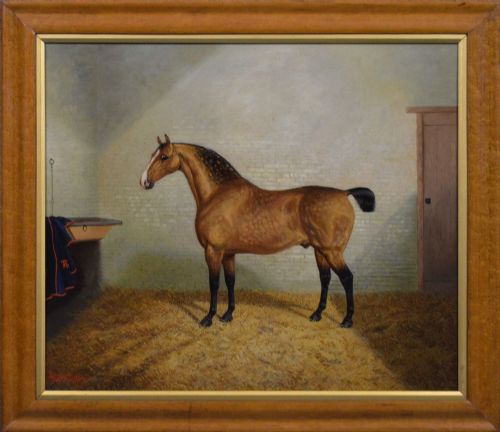
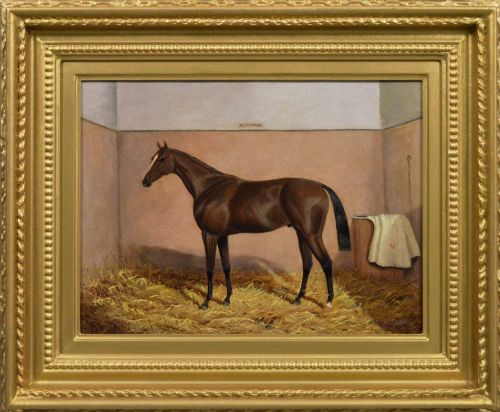
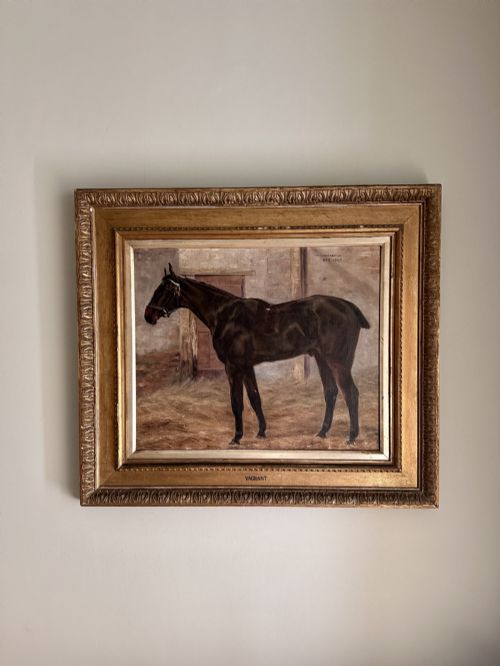
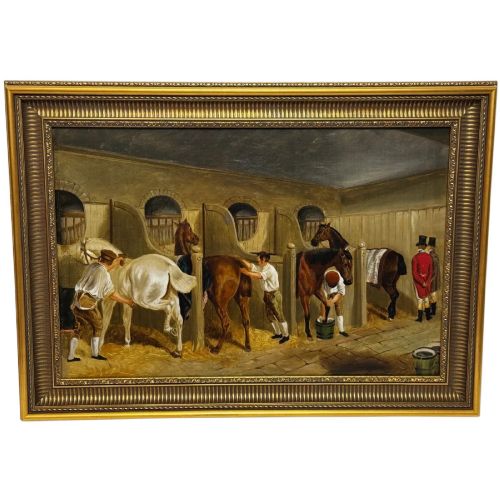
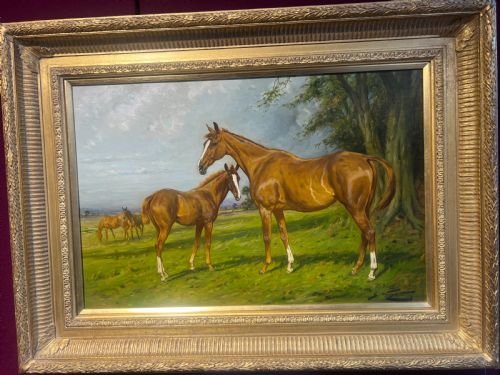
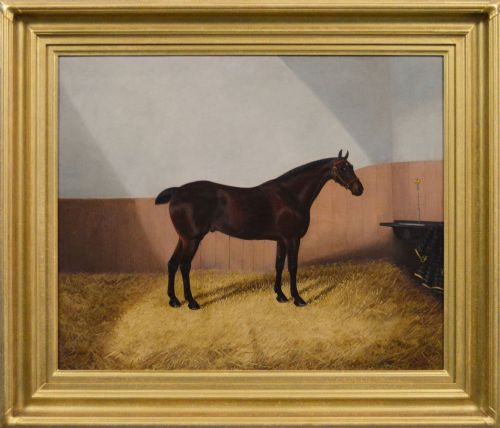
A victorian equestrian portrait typically depicts a named horse, hunter, or racehorse, often accompanied by a stable lad, rider, or hounds in a landscape or stable setting. These works emerge from nineteenth-century sporting traditions, spanning oil on canvas and watercolour paintings.
The materials reflect period artistic standards, utilising oil paint on canvas framed in giltwood alongside occasional works on paper. Subjects range from thoroughbred racehorses and royal mounts to domestic ponies and working hunters.
Most examples originate from the nineteenth century into the early twentieth century, encompassing Victorian and Edwardian sporting art. The forms vary from intimate head studies to large framed oils documenting specific estates, trainers, and historical winners.
Materials and Construction
Artists painted primarily with oil on canvas stretched over wooden supports, capturing the sheen of horse coats and leather tack through layered pigments. Many surviving examples retain their original giltwood or gold leaf frames that complement the composition.
Watercolour on paper appears alongside oil paintings, offering detailed depictions of ponies and riders. Support materials consist of prepared canvas and heavy paper housed within traditional wooden structures.
Assessing Artistic Merit
Quality rests upon the anatomical accuracy of the horse, the precision of the background landscape, and the artist's ability to render light across muscle and coat. Works by documented animal painters display a superior grasp of equine proportions compared to anonymous studio pieces.
The execution of the surrounding frame, whether original giltwood or a later replacement, influences the visual integrity of the piece. Brushwork that successfully conveys texture in hair, leather, and fabric elevates a painting above standard commercial portraiture.
Henry Barraud·Albert Clark·Fred Fitzpatrick·John Alfred Wheeler·John Ferneley Senior
The Victorian Equestrian Portrait Glossary
- Giltwood
- Wood carved and covered with a thin layer of gold leaf or gold paint. This finish frequently appears on nineteenth-century picture frames.
- Canvas
- Heavy woven fabric stretched across a wooden frame to serve as a painting surface. Oil paints adhere directly to this prepared material.
- Watercolour
- Paint consisting of pigment suspended in a water-based solution applied to paper. These works require protective glazing to prevent moisture damage.
- Provenance
- The documented history of ownership of an artwork. Records often link specific horses to historic estates or notable races.
Victorian Equestrian Portrait: Frequently Asked Questions
What subjects appear in these portraits?
Paintings show named racehorses, hunters, and stable yards alongside riders, trainers, and hounds. Many works record specific racing winners or family pets.
The backgrounds shift from enclosed stables to open countryside, riversides, and racecourse settings depicting the broader sporting culture of the period.
How do I care for an oil painting?
Keep paintings away from direct sunlight and steady humidity levels to prevent cracking in the canvas and paint layers. Avoid using chemical cleaners on the surface.
Dust gently with a soft, dry brush or feather duster. Professional conservation is recommended for any deeper cleaning or structural repairs.
How do I date a nineteenth-century frame?
Period frames utilise hand-carved wooden mouldings finished with composition ornaments applied over gesso. Examining the joinery and backing boards helps confirm age.
Changes in gilding techniques and the presence of shrinkage cracks in the gesso indicate whether a frame is original to the artwork.
Where were these paintings originally displayed?
Original owners hung these works in country houses, estate offices, and stable blocks to celebrate successful breeding and hunting achievements. Equestrian art formed a central decorative element in gentleman's libraries and reception rooms.
Today, they transition easily into modern interiors, functioning as focal points above mantelpieces or within study spaces.