

Victorian Equestrian Oil Painting
When you search for a victorian equestrian oil painting, you find works capturing horse portraits and hunting scenes on canvas.
Victorian Equestrian Oil Painting
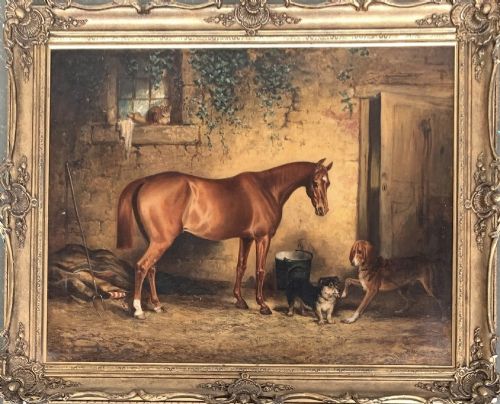
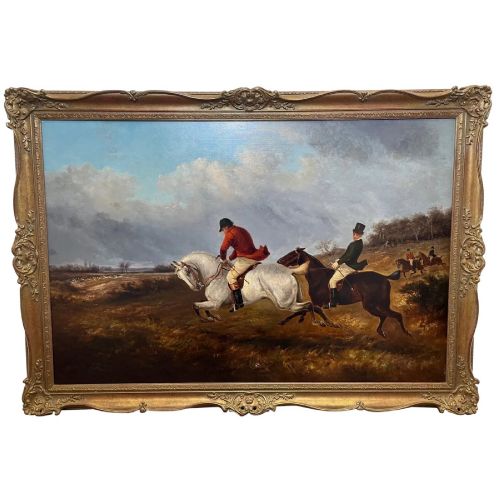
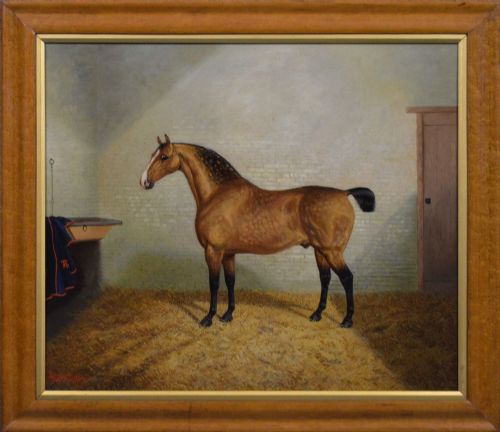
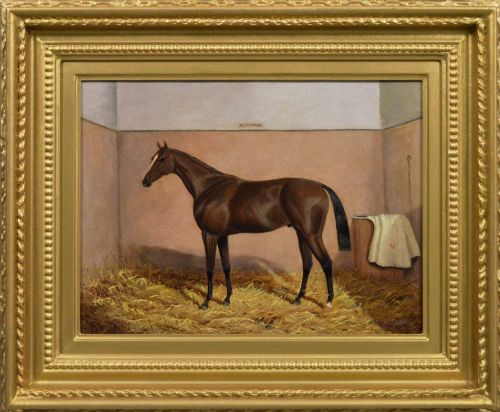
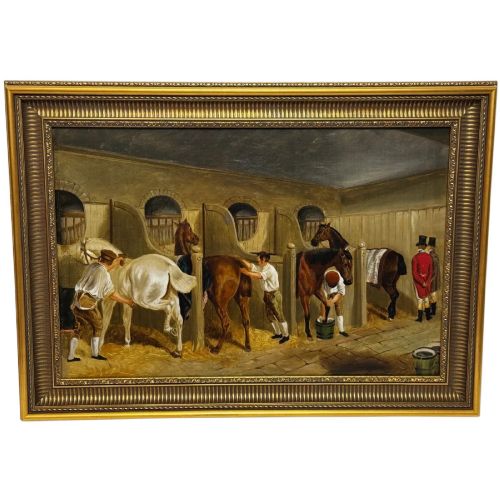
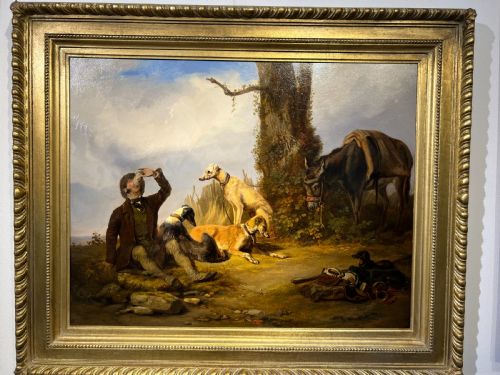
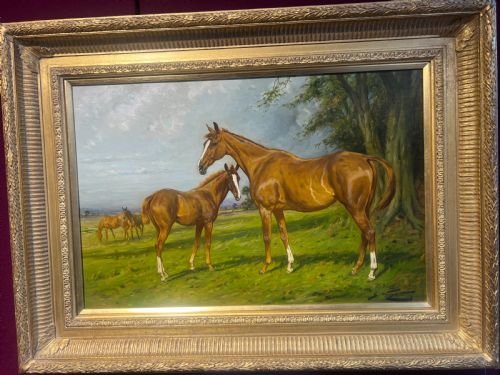
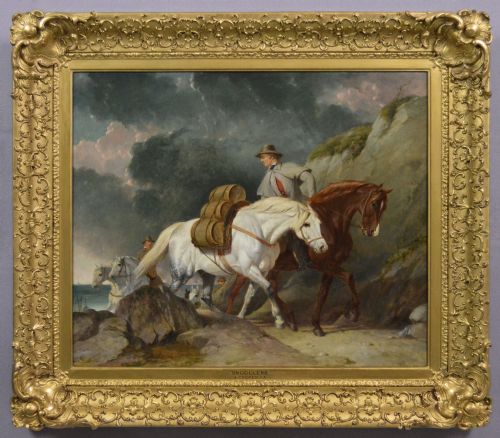
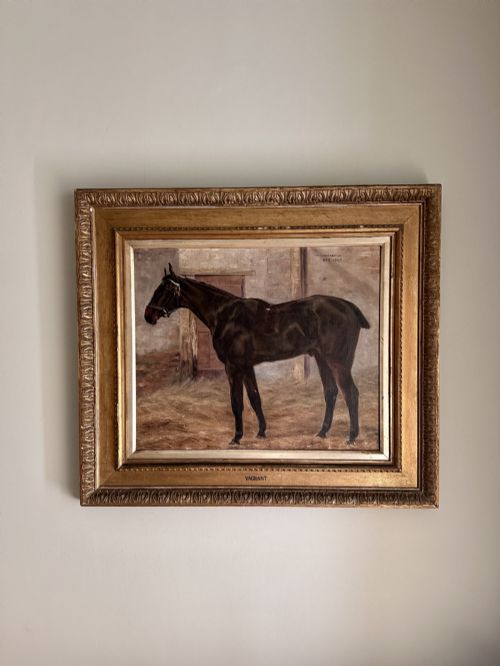
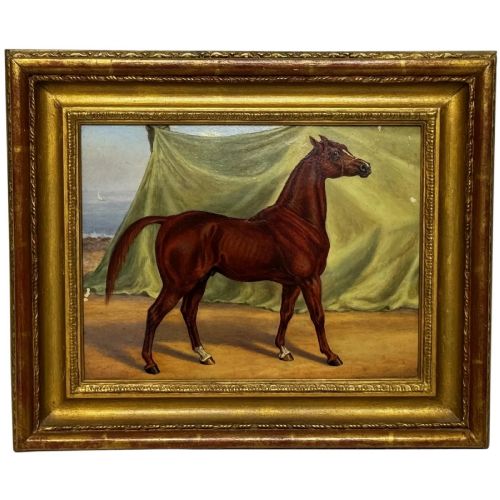
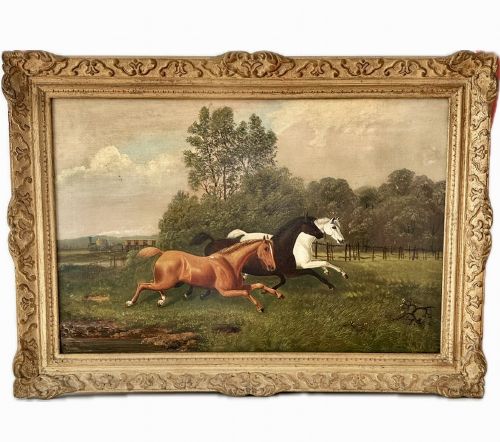
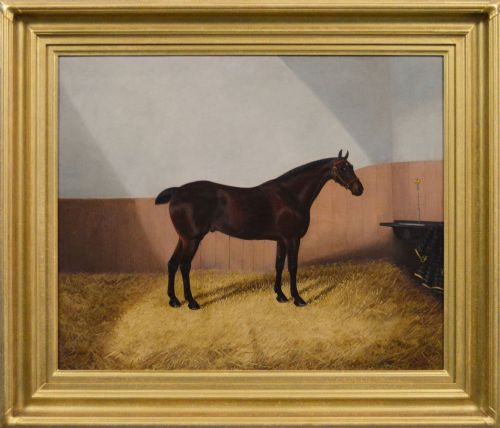
A victorian equestrian oil painting typically depicts racehorses, hunters, or stable scenes rendered during the nineteenth century. These works capture specific animals by name or record the atmosphere of the hunt and the farmyard.
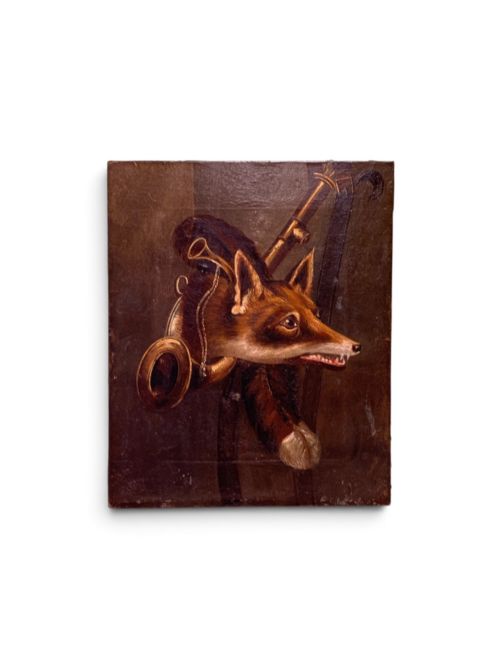
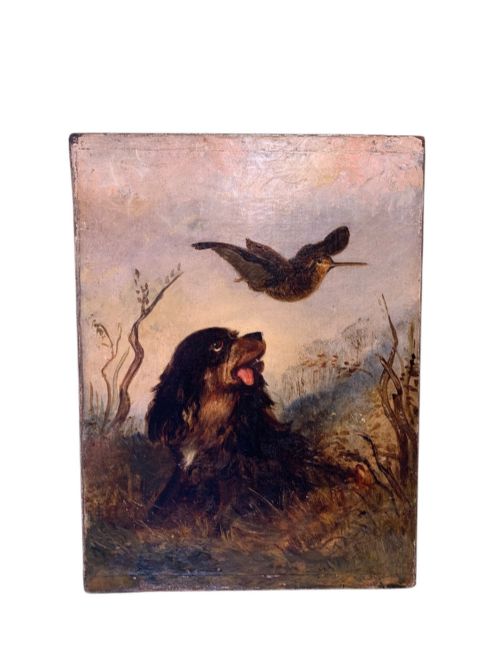
You meet portraits of individual thoroughbreds alongside broader sporting art that includes hounds and riders. The subjects range from commissioned portraits of prize animals to romanticised landscapes featuring horses at work or rest.
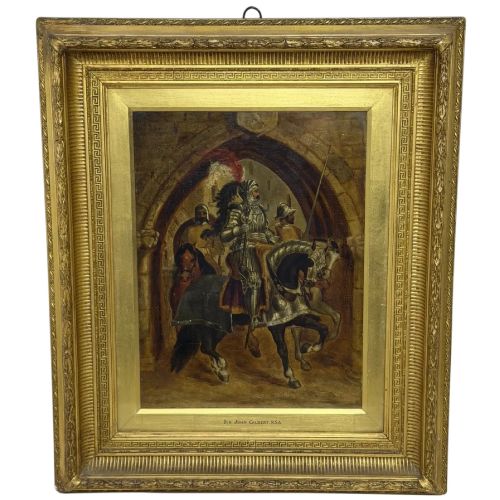
Most pieces date from the Victorian era and the surrounding decades, framed in contemporary giltwood or wood. They document the central role of the horse in nineteenth-century transport, sport, and agriculture.
Materials and Technique
Artists painted these works using oil paint applied to stretched canvas supported by wooden frames. The medium allowed for rich depth in depicting the sheen of a horse coat and the varied tones of landscapes.
Many surviving pieces retain their original giltwood or gold leaf frames, which often bear the marks of period framers. The combination of oil on canvas within decorative wooden frames defines the physical construction of these artworks.
The documented paintings span multiple decades of the nineteenth century, utilising oil on canvas stretched over wooden frames.
Factors of Quality
The standard of a victorian equestrian oil painting rests upon the anatomical accuracy of the horse and the painterly skill evident in the brushwork. Master painters captured muscle structure, movement, and light with precision, whereas lesser works remain stiff and formulaic.
Provenance and documentation elevate certain pieces, particularly when a painting identifies a named racehorse, owner, or artist. The condition of the original canvas and the integrity of the period gilt frame also influence the overall standing of the work.
Henry Barraud·Thomas Smythe·Albert Clark·Sir Edwin Henry Landseer·George Wright·Abraham Cooper·Fred Fitzpatrick·Thomas Walker Bretland·John Ferneley Senior·John Arthur Lomax·John Frederick Herring Jnr·Edward Lloyd of Ellesmere·George E Sharpe·Léon Joseph Voirin·Valentine Thomas Garland·Arthur Longley Vernon·Edward Brice Stanley Montefiore·Samuel Spode
The Victorian Equestrian Oil Painting Glossary
- Oil on Canvas
- A traditional painting medium where oil paints are applied to a woven canvas stretched across a wooden frame. This technique allowed artists to blend colours smoothly and build rich textures.
- Giltwood
- Wood that has been covered with a thin layer of gold leaf or gilt paint. Frames made from this material were standard for displaying fine art during the nineteenth century.
- Sporting Art
- A genre of art depicting blood sports, racing, and animals. This category forms a major part of nineteenth-century painting traditions.
- Equine Portrait
- A painting specifically focused on recording the likeness of a particular horse. These works were frequently commissioned by owners to document prize racers and hunters.
Victorian Equestrian Oil Painting: Frequently Asked Questions
What subjects appear in these paintings?
The artworks primarily show individual horse portraits, racehorses, hunters in stables, and hunting scenes with hounds. Some pieces also feature horses working on farms, pulling carts, or participating in coastal and river landscapes.
Alongside the animals, you occasionally encounter figures such as jockeys, stable hands, and riders. These compositions reflect nineteenth-century rural life, sport, and the ownership of prized bloodstock.
How can I date a Victorian painting?
Dating relies on signatures, artist dates, inscriptions on the canvas or stretcher, and stylistic clues within the clothing and tack. Many nineteenth-century works include dates written by the artist or modern attribution labels on the frame.
Framing styles and canvas types also offer chronological clues. However, expert examination of the pigments and canvas weave provides the most reliable confirmation of age.
How were these paintings originally displayed?
Owners typically hung these large canvases in the reception rooms, libraries, and halls of country houses. They served as status symbols celebrating successful racehorses, prized hunting studs, and rural estates.
Many works were fitted into heavy giltwood frames designed to complement interior decoration schemes of the period. These frames remain an integral part of how the pieces are presented today.
Who bought equestrian art?
Wealthy landowners, nobility, and successful racehorse owners commissioned and purchased these portraits. Aristocratic patrons often employed leading sporting artists to record their stable favourites and memorable hunt meets.
Over time, these artworks also appealed to a broader Victorian middle class interested in rural sports and animal painting. This sustained market encouraged numerous artists to specialise in equine portraiture.