



Victorian Military Painting
A victorian military painting captures the pomp and service of nineteenth-century campaigns, bringing historical portraits and battle scenes directly onto a wall.
Victorian Military Painting
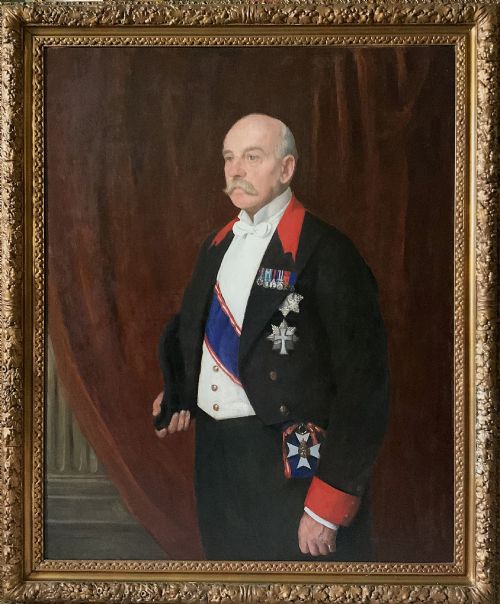
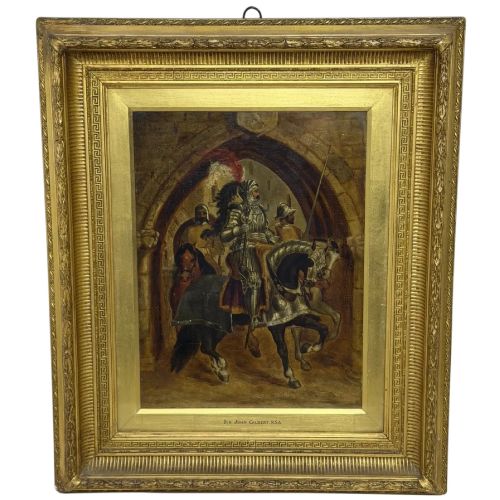
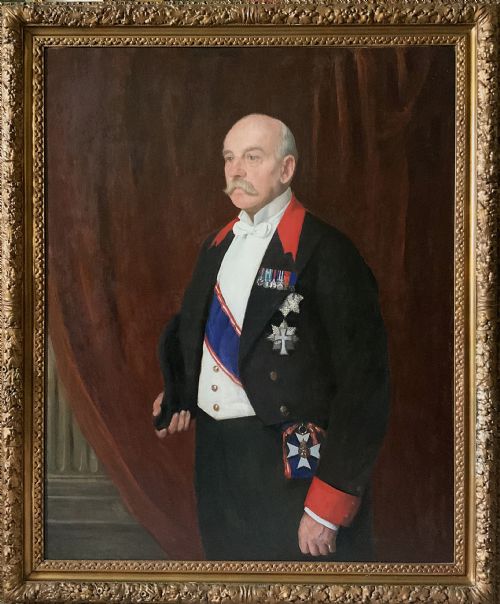
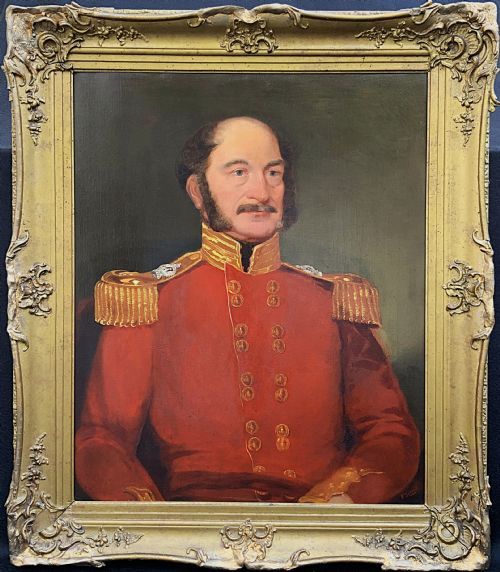
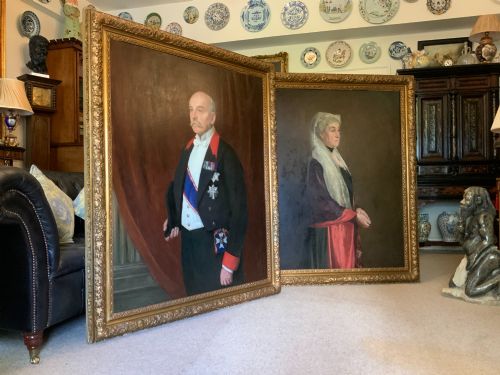
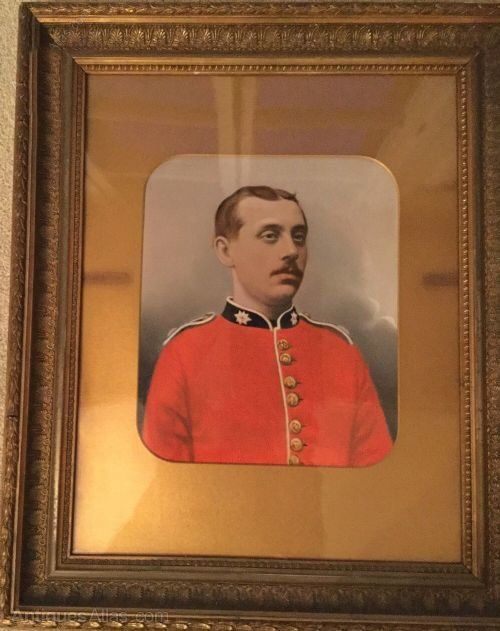
A victorian military painting typically portrays officers, regiments, and historical conflicts rendered during the nineteenth century. Buyers encounter monumental canvases depicting high-ranking commanders alongside smaller watercolours and framed portraits of red coat soldiers.
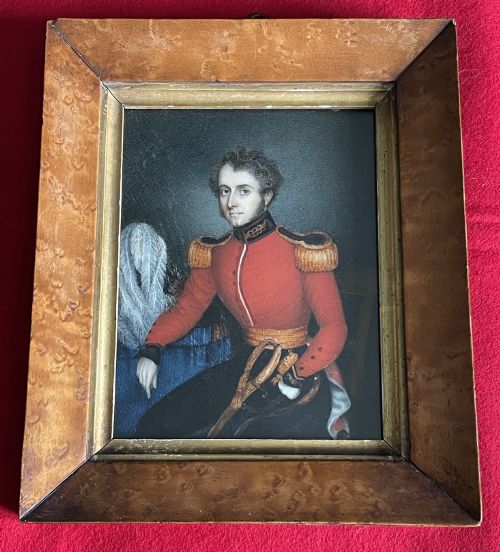
The selection ranges from detailed oil paintings of individual officers in ceremonial uniform to dramatic battle scenes and historical militia group pieces. These works record the visual history of British military service across decades of empire.
How They Were Made
Artists applied oil paint to stretched canvas, building rich tones for scarlet uniforms, gold braid, and dark backgrounds. Many works utilise traditional wood framing, often finished in gilt, to complete the presentation of these formal portraits.
Watercolour paintings on paper capture finer linear details in uniform insignia and facial expressions, executed with careful brushwork. Canvas supports receive preparatory priming before the application of pigments that survive across generations.
Victorian Military Painting Retail Price Guide 2026
Typical asking prices for victorian military painting among the pieces listed under this phrase on Sellingantiques today, from the lower quarter to the upper quarter. They describe what is for sale here now, not the wider market.
Current listings feature oil on canvas and watercolour works dating from the 1850s through to the early 1900s.
What Varies in Quality
Quality rests upon the artist's ability to render anatomical proportion, facial character, and the precise details of regimental dress. Superior canvases display confident brushwork and depth in the treatment of fabric and light.
Compositional strength and historical context separate standard decorative works from pieces attributed to known painters or exhibited circles. The handling of background atmosphere and the preservation of the original paint surface dictate the standing of a canvas.
Sir John Gilbert RA·John A Houston·Ernest Crofts·Thomas Mackay·Frank Dadd·Francis Russell Flint·Frederick Tayler
The Victorian Military Painting Glossary
- Oil on Canvas
- A painting medium where pigments bound in drying oil are applied to a woven fabric support. This combination allows for rich colour blending and durability over centuries.
- Red Coat
- The iconic bright scarlet military tunic worn by British infantry and officers during the Victorian era. It remains a central visual marker in nineteenth-century portraiture.
- Watercolour Painting
- A work created using water-soluble pigments on paper. This technique produces translucent washes and delicate linear precision often seen in nineteenth-century studies.
- Gilt Wood
- Carved timber finished with a thin layer of gold leaf or metallic powder. Frames utilising this treatment accentuate the grandeur of formal military portraits.
- Regiment
- A permanent unit of an army commanded by a colonel. Paintings frequently record the specific uniforms and insignia associated with these distinct bodies.
Victorian Military Painting: Frequently Asked Questions
How do I identify a Victorian military painting?
Examine the uniform style, the subject's rank insignia, and the artistic techniques typical of nineteenth-century portraiture. Red coats, specific medals, and historical regimental titles often provide direct clues.
Signatures, dates, and stretcher frame construction further help confirm the period of execution.
Where should I hang a large military portrait?
These commanding canvases require substantial wall space with stable ambient conditions, away from direct sunlight and dampness. Libraries, studies, and high-ceilinged reception rooms suit their imposing scale.
Ensure the hanging hardware is securely fixed into wall studs to support the weight of heavy gilt frames.
What subjects appear most often in these paintings?
Individual officers in ceremonial dress, major-generals, and soldiers from specific campaigns dominate the selection. Battle scenes and militia group portraits also feature prominently.
Artists frequently recorded both active service engagements and formal commemorative likenesses.
How do I care for antique oil canvases?
Keep paintings away from extreme temperature fluctuations and excessive moisture to prevent cracking in the paint layer. Dust surfaces very gently with a soft, dry brush without applying pressure.
Avoid using chemical cleaners or water on the canvas or the gilt frame.