


Green Dress Lady Portrait
A green dress lady portrait brings centuries of painted elegance to a wall, offering striking colour and historic character.
Green Dress Lady Portrait
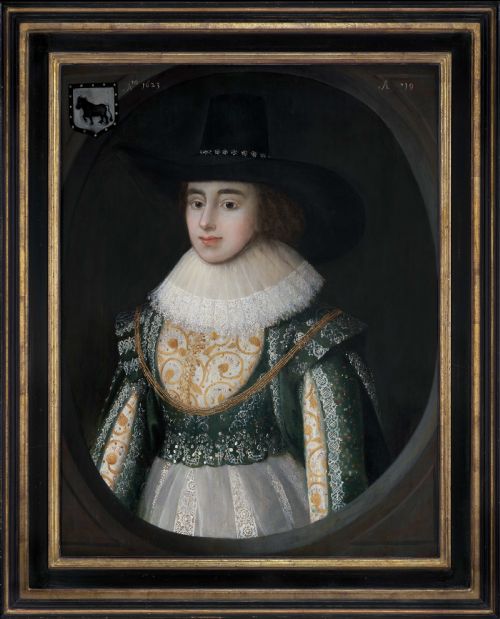
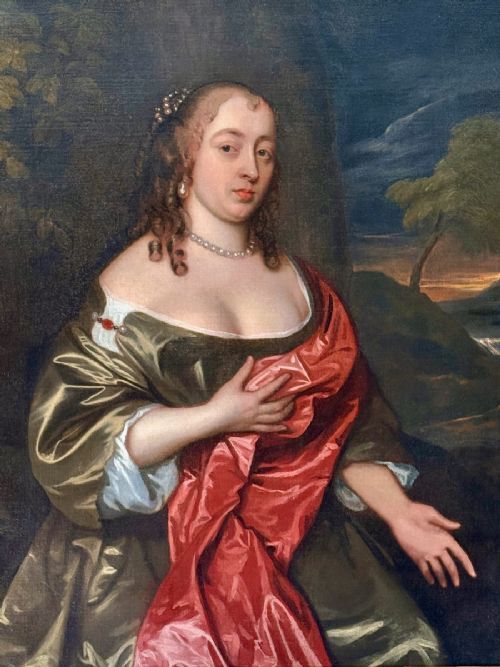
A green dress lady portrait captures female subjects adorned in distinctive green gowns, spanning the 17th, 18th, and 19th centuries. These works appear primarily as oil paintings on canvas or panel, alongside reverse glass prints and pastel drawings.
The subjects range from named nobility like Lady Elizabeth Wheeler and Lucy Russell to elegant female beauties and ladies of the manor. Styles encompass Jacobean, Baroque, Dutch Golden Age, and French School aesthetics.
Buyers meet works originating from British and broader European traditions, reflecting changing fashions in portraiture across the Georgian and Victorian eras as well.
Materials and techniques in early portraiture
Painters built these works using oil paint applied to prepared canvas, oak panel, or glass surfaces. The pigment layers allowed artists to render the rich textures of silk and satin gowns.
Frames of giltwood frequently house these canvases and panels, providing a traditional decorative border that complements the age of the artwork. Watercolours and pencil also appear in later 19th-century interpretations.
Reverse glass prints utilise a technique where the image is painted directly onto glass and viewed from the reverse side, creating a distinct glossy finish.
Listings feature works spanning the 17th, 18th, and 19th centuries, utilising oil paint, canvas, wood panels, glass, and giltwood.
Factors that define quality in painted portraits
The nuance in handling fabric folds and the rendering of facial expression separate masterworks from standard studio production. Finer portraits display subtle tonal shifts in the green pigment of the gown.
Attribution to documented hands or recognised regional schools elevates the standing of a piece significantly. Condition of the underlying canvas or oak panel also dictates the preservation of the original brushwork.
John Hayls·Cornelius Johnson·Nicolaes Maes·Sir Peter Lely·George Perfect Harding·John Michael Wright·Michael Dahl
The Green Dress Lady Portrait Glossary
- Oil on canvas
- Pigments bound in a drying oil applied to stretched fabric. This medium dominated European portraiture for centuries.
- Panel painting
- Art executed on a rigid flat surface, typically wood such as oak. Earlier portraits frequently utilised this support before canvas became standard.
- Reverse glass print
- An image applied directly to the back of a glass sheet. It yields a smooth reflective surface distinct from traditional paintings.
- Giltwood
- Wood carved and coated with gold leaf. It forms the traditional ornate framing common to antique oil paintings.
- Baroque
- An artistic style characterised by drama, rich detail, and deep colour. Many 17th-century portraits reflect this theatrical approach.
Green Dress Lady Portrait: Frequently Asked Questions
How do I hang an oil painting?
Support heavy oil paintings with appropriate wall anchors rather than standard picture hooks. Ensure the piece hangs away from direct sunlight and heat sources to protect the canvas.
Use two mounting points for wider giltwood frames to distribute the weight evenly and keep the portrait level over time.
What is a reverse glass print?
A reverse glass print involves applying paint directly to the back of a glass pane, creating a finished image viewed from the front. This technique produces a unique glossy sheen.
Such pieces require careful handling to avoid pressure on the delicate glass support behind the frame.
How do I clean an antique portrait?
Dust surfaces gently with a soft, dry brush to remove loose particles without disturbing the paint layer. Avoid using chemical cleaners or water on aged canvas and panels.
Professional conservators should handle any deep cleaning or varnishing restoration to preserve the historical integrity of the brushwork.
How are 17th-century portraits dated?
Dating relies on recorded signatures, inscribed dates on the canvas, and stylistic comparisons with documented works by the same artist or school. Costume historians also examine the cut of the green dress and jewellery.
Provenance records and historical exhibition labels further help confirm the precise period of origin.