

Historical Female Portrait Art
Historical female portrait art records the likenesses of notable and anonymous women across centuries through oil on canvas, pastel, and print.
Historical Female Portrait Art
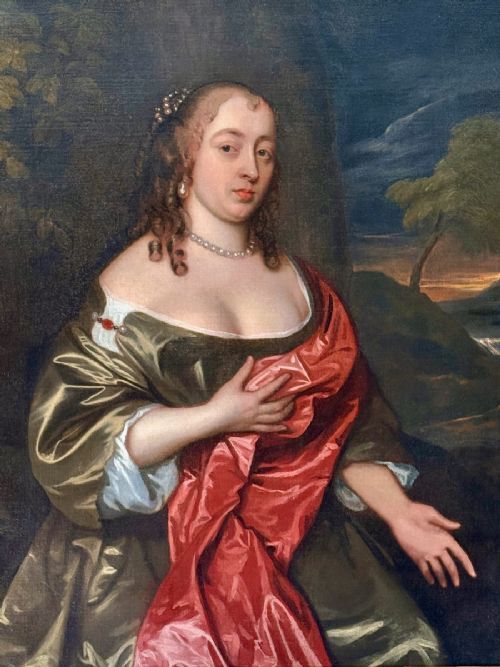
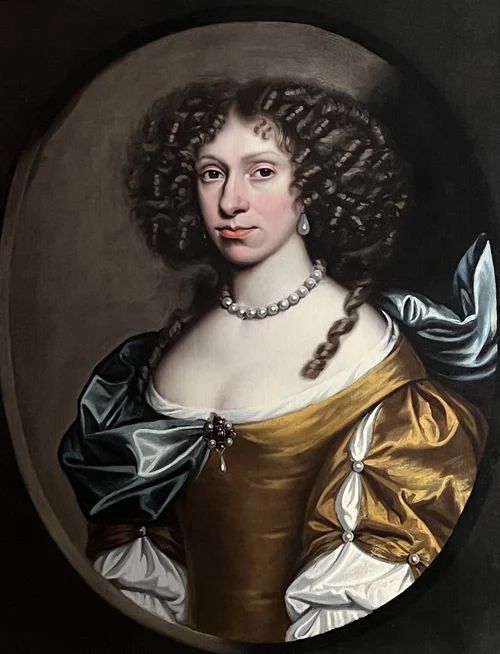
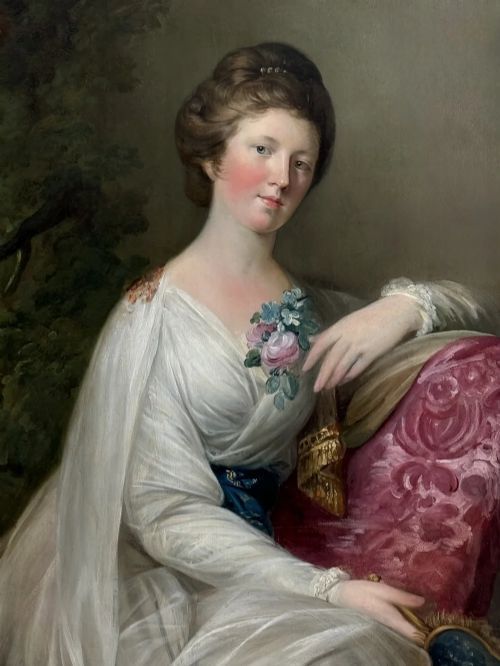
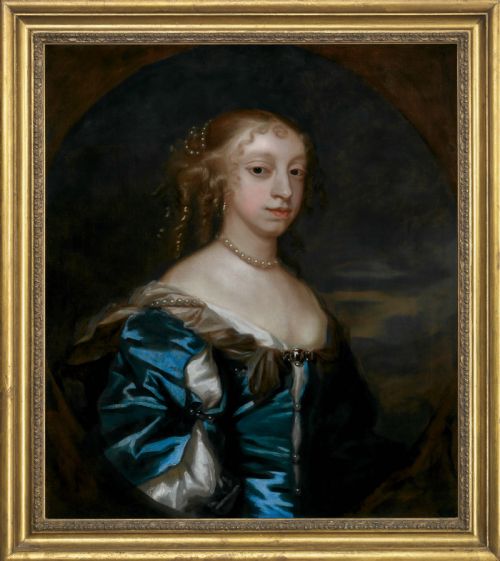
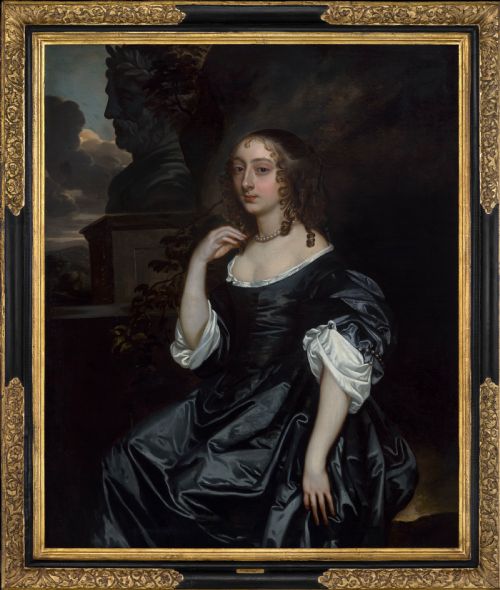
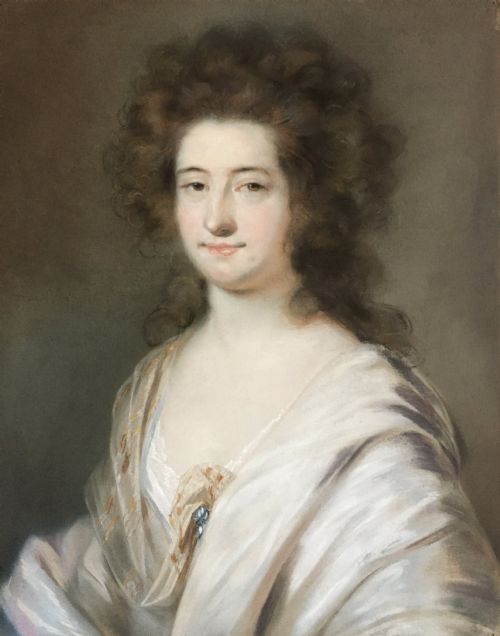
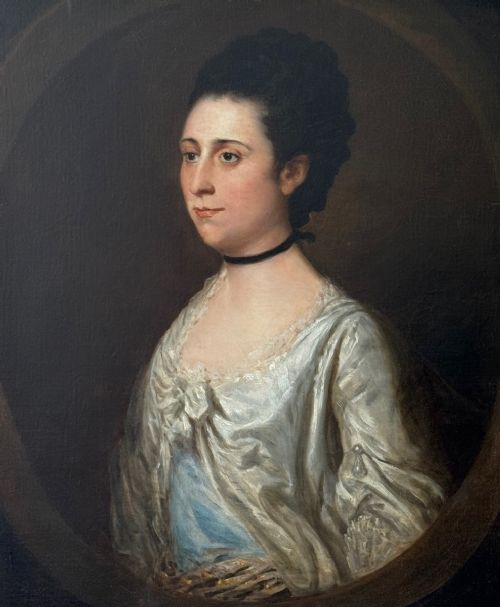
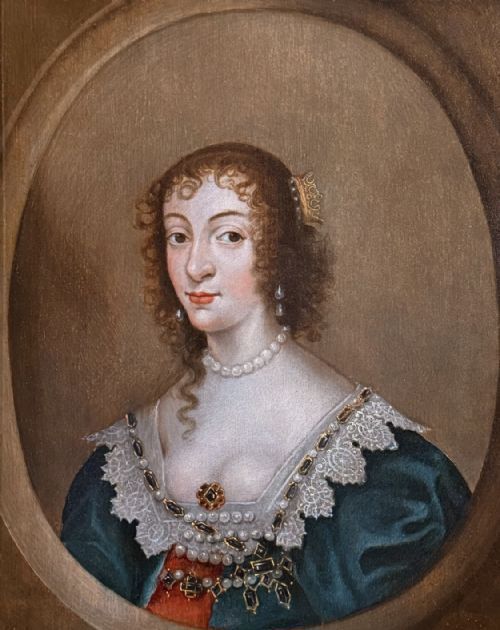
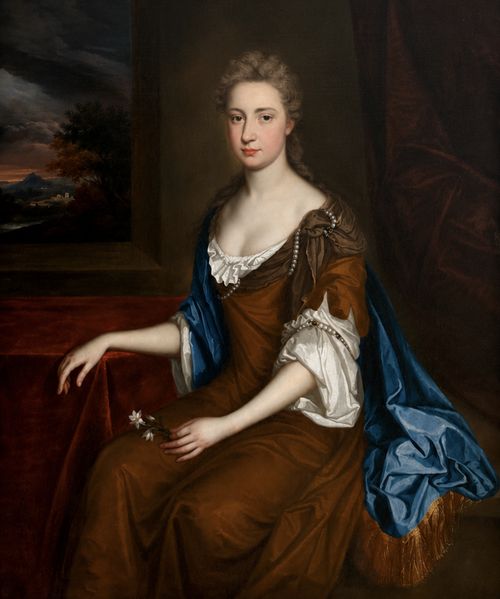
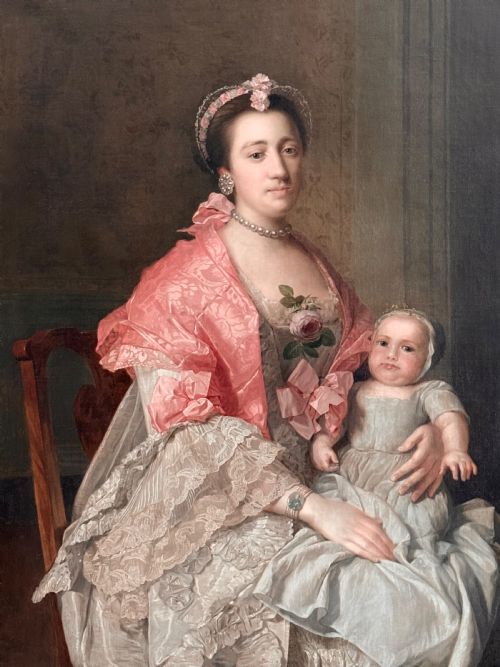
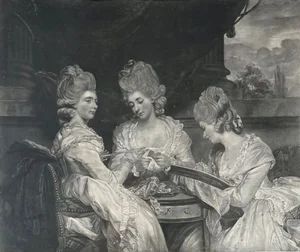
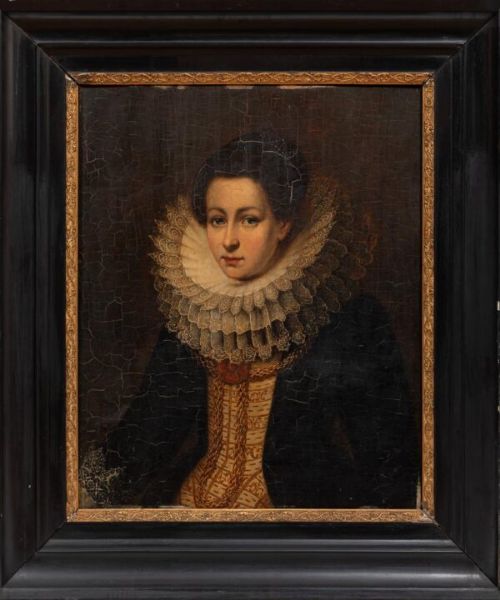
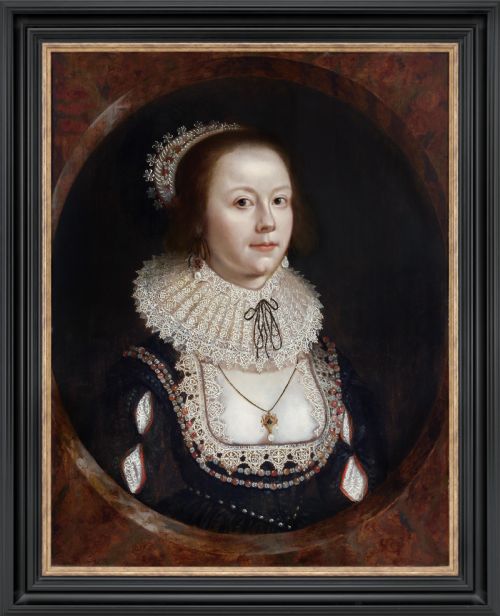
Historical female portrait art comprises paintings, drawings, and prints depicting women from the seventeenth century through to the early twentieth century. Buyers seeking historical female portrait art will encounter works spanning the Georgian, Victorian, and Regency periods, alongside earlier seventeenth-century examples.
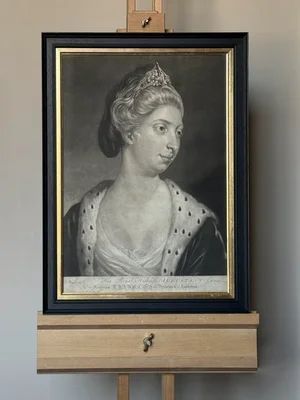
The most common formats on this page are oil paintings on canvas and panel, supplemented by works on paper such as watercolours, pastels, and mezzotints. These pieces capture sitters ranging from nobility to women in everyday attire, often reflecting the shifting artistic conventions of their respective eras.
Materials and Techniques
Painters of these portraits relied primarily on oil paint applied to stretched canvas or wooden panels, building rich surfaces through layered glazes. Draughtsmen and printmakers utilised paper, employing pastel, gouache, watercolour, engraving, and mezzotint techniques to achieve detailed likenesses.
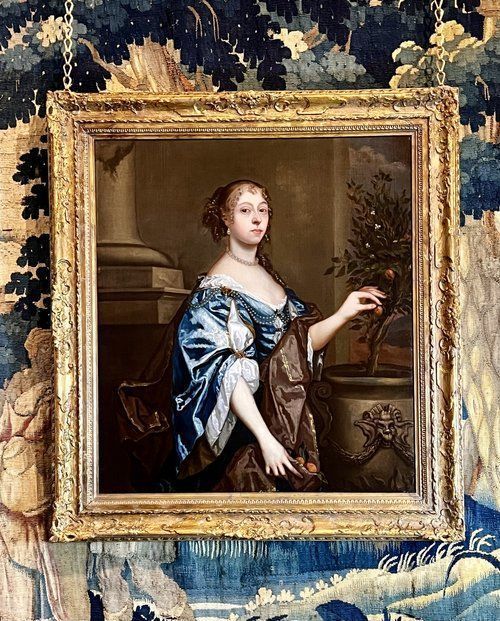
Framing forms an integral part of these works, with original or period-appropriate giltwood and gilt wood frames frequently housing the canvas, glass, or panel supports.
The listings feature oil on canvas, paper, glass, and watercolour, spanning the seventeenth through to the early twentieth century.
Factors of Quality
The condition of the medium also dictates the standard of the piece, with well-preserved oil paint, stable canvas supports, and minimal restoration maintaining the integrity of the original creation.
John Hayls·David Scougall·George Willison·Pieter Borsseler·Sir Peter Lely·John Russell·Thomas Beach·Van Dyck·Sir Allan Ramsay·Robert Byng·Joshua Reynolds·Cornelius Johnson·Nicolas Fouché·John Robert Dicksee·Susie Lassam·Thomas Gainsborough·Paul Schier·Cornelis Van Der Voort·Charles Jervas
The Historical Female Portrait Art Glossary
- Mezzotint
- A printmaking process where the copper plate is roughened to achieve dark tones and smoothed to create light areas, often used for reproducing painted portraits.
- Giltwood
- Wood carved and coated with gold leaf or gold paint, frequently used for traditional picture frames during the Georgian and Victorian periods.
- Panel
- A rigid wooden support used by artists for painting before canvas became dominant, common in earlier centuries.
- Bandeau
- A narrow headband or ribbon worn in the hair, often seen in portraiture to indicate classical styling.
- Ruff
- A large, pleated collar of stiffened fabric worn around the neck during the late sixteenth and seventeenth centuries.
Historical Female Portrait Art: Frequently Asked Questions
How do I date an old portrait?
Dating relies primarily upon the sitter's costume, hairstyle, and the framing materials used in the piece. Painters often recorded contemporary fashions precisely, allowing observers to match garments to specific decades.
Secondary clues include the stretcher construction of canvases, the type of wood used for panels, and any inscriptions or signatures recorded on the reverse of the work.
How should I hang historical portraits at home?
Historical portraits suit traditional domestic interiors, particularly when hung against neutral or dark-painted walls that complement the rich tones of oil paint and gilt frames. Proper placement avoids direct sunlight to protect pigments from fading over time.
Matching works by period or framing style creates a cohesive display, whether grouping several small watercolours together or featuring a single large oil canvas as a focal point.
What does attribution to a studio mean?
Attribution to a studio indicates that a painting was produced in the workshop of a master artist, often under their supervision or by assistants following their established methods. These works reflect the style and capability of the primary master's circle.
Such pieces provide historical context regarding how larger portrait practices operated during periods like the seventeenth and eighteenth centuries.