


Regency Portrait of Lady
These pieces range from intimate miniatures to large canvases, capturing a regency portrait of lady through the shifts of Georgian, Regency, and Victorian styles.
Regency Portrait of Lady
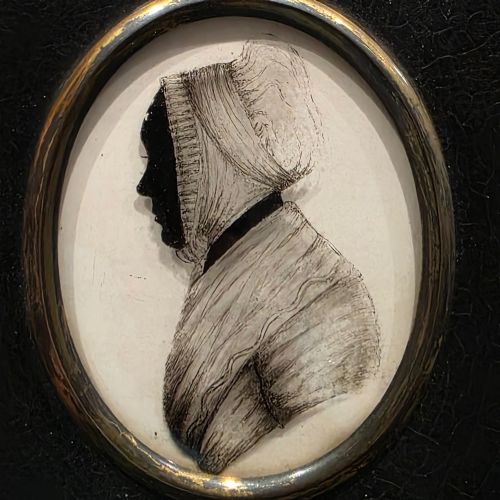
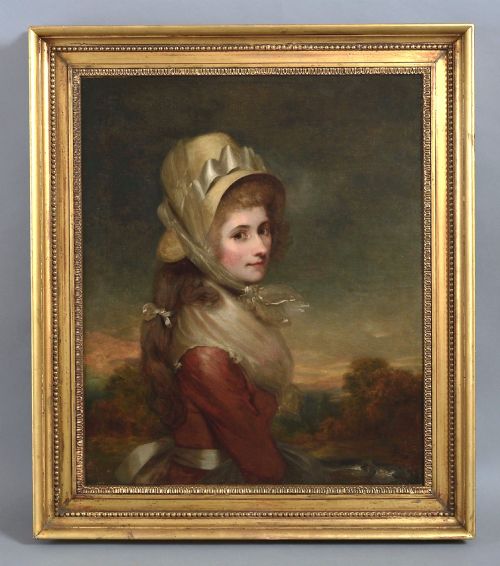
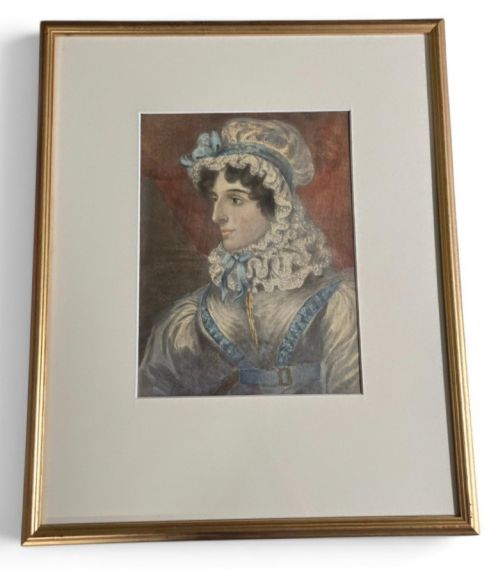
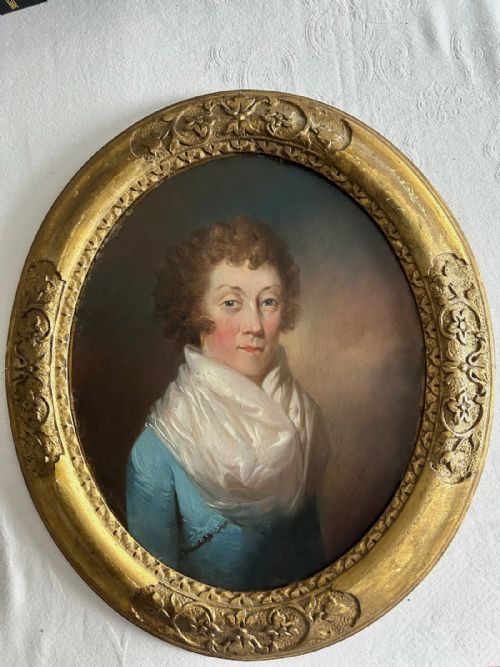
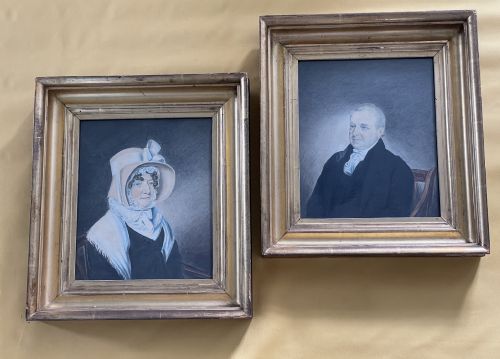
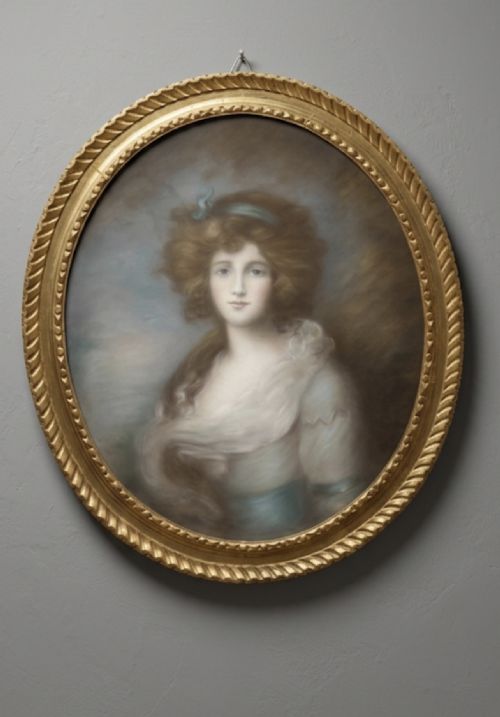
A regency portrait of lady encompasses works created across the Georgian, Regency, and Victorian periods, with many pieces originating in the early nineteenth century. Buyers encounter an array of formats, from small watercolour miniatures and silhouettes to oil on canvas paintings and graphite drawings. These artworks frequently depict named sitters or known personalities in period dress, mounted in original frames of rosewood, maple, brass, or giltwood.
The material expression varies widely according to the chosen medium of the artist, encompassing paper, glass, oil, pastel, and gouache. Many surviving examples reflect the distinct aesthetic of English Regency and 19th Century Romanticism, recording the likenesses of women in bonnets, turbans, or silk dresses. Some listings present later revivals or prints after original works rather than primary period paintings.
Materials and execution
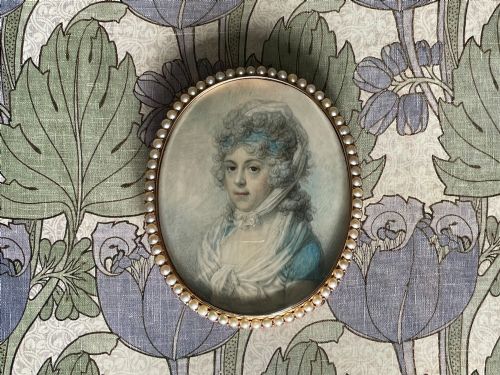
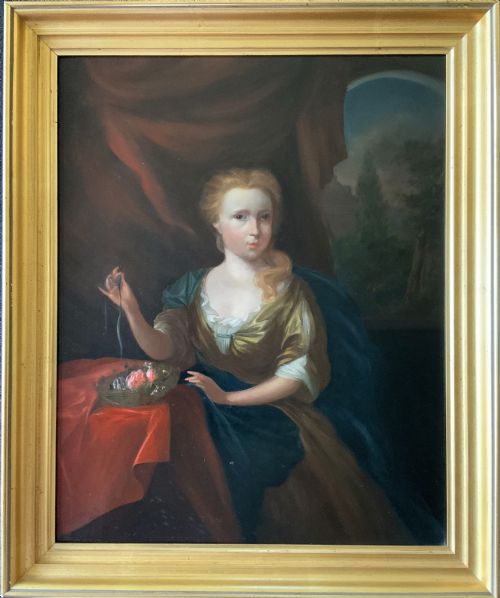
Artists relied on oil on canvas for larger portraits, building rich layers to render fabrics like silk and details such as coral beads. Miniature paintings often utilised delicate watercolours and gouache applied to paper, ivory, or card, housed behind protective glass in small frames.
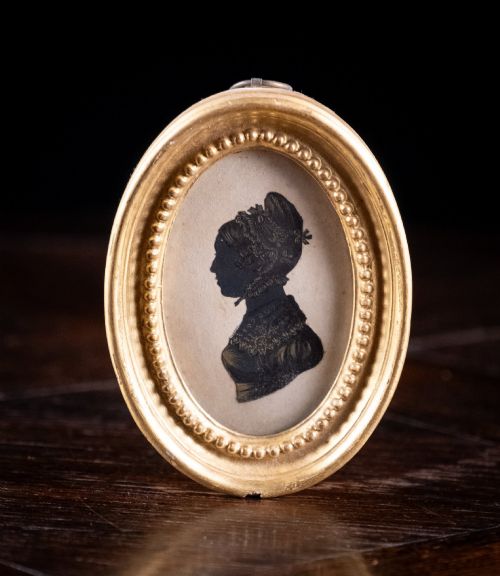
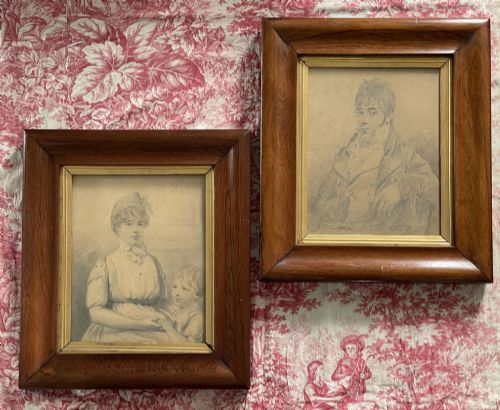
Silhouettes formed a distinct branch of production, created through reverse painting on glass or paper heightened with gold leaf, then secured in ebonised, rosewood, or brass surrounds. Pencil, graphite, and pastel drawings offered lighter studies, frequently signed and dated by period practitioners.
Several ladies gaze out across the centuries accompanied only by a faithful hound dog named Lady.
Evaluating the work
The standard of execution separates workshop copies and secondary prints from master works bearing documented attributions to known miniaturists or painters. Finer examples display precise facial rendering, subtle tonal graduation in skin and textiles, and confident handling of hair and costume details.
The integrity of the original mount influences the character of a piece, with period frames in maple, ebony, or gilt wood preserving the context of the artwork. Works showing strong provenance, legible signatures, and well-preserved pigments command greater interest than faded or later recast versions.
Sir Martin Archer Shee·Richard Cosway·Nicolas Freese·Samuel Raven·John Raphael Smith·Archibald Skirving·Thomas Woolnoth·William Grimaldi·Henry Jacob Burch·George Hargreaves·George Atkinson·Richard Westall
The Regency Portrait of Lady Glossary
- Silhouette
- A portrait profile filled in with a solid dark colour, often enhanced with gilt highlights on paper or reverse painted on glass. These formed a popular and economical likeness during the Regency era.
- Miniature
- A small-scale painting executed with fine detail, frequently created on ivory, vellum, or card for personal portability. Such pieces were often worn as lockets or displayed in small frames.
- Provenance
- The documented history of ownership and origin associated with an artwork. A clear lineage helps verify the authenticity and attribution of a period painting.
- Mezzotint
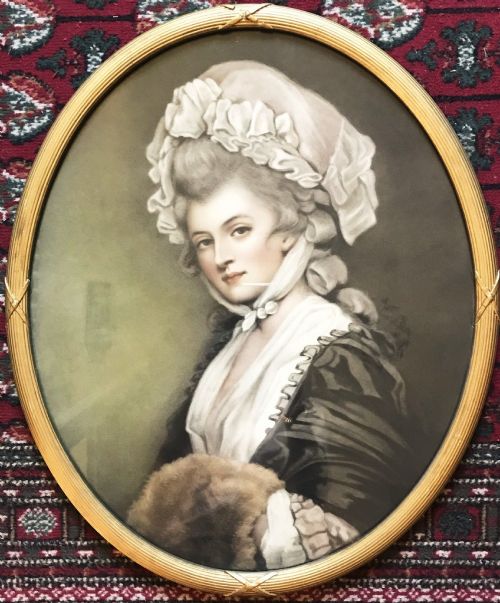
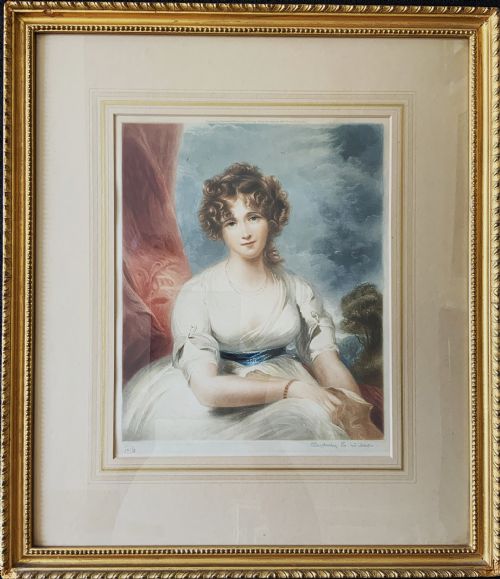
- A printmaking process of the tonal engraving method, allowing smooth gradations of light and shade. Artists used this technique to reproduce popular painted portraits.
- Gouache
- An opaque watercolour medium containing a white pigment filler, producing a heavier matte finish. This material allowed portraitists to achieve vibrant colour blocks in costume details.
Regency Portrait of Lady: Frequently Asked Questions
How are miniatures cleaned safely?
Most portrait miniatures contain delicate watercolours or pigments on fragile surfaces like paper or ivory, which suffer permanent damage from moisture or modern cleaning agents. Dust should be kept away by preserving the original sealed housing.
Professional conservators should handle any internal restoration or glass replacement to protect the delicate media inside.
Where were these portraits displayed?
Small miniatures and silhouettes were often kept in private chambers, carried in pockets, or worn as personal jewellery close to the heart. Larger oil paintings and framed watercolours hung in the formal drawing rooms of country houses.
Owners arranged companion pieces in pairs or small groups on panelled walls to display family connections.
How do I date a silhouette?
Costume details such as high-waisted Regency dresses, mob caps, turbans, or specific hairstyles provide the most reliable chronological markers. The framing materials, such as convex glass and ebonised oval wood frames, also point to specific decades around eighteen hundred.
Inscriptions on the reverse often record the sitter's name and the year of creation.
Can I hang them in sunlight?
Direct sunlight causes watercolours, pastels, and tinted papers to fade rapidly over time. These works require placement on interior walls away from direct windows and intense artificial heat sources.
UV-filtering glass offers an additional layer of protection for works executed on paper.