
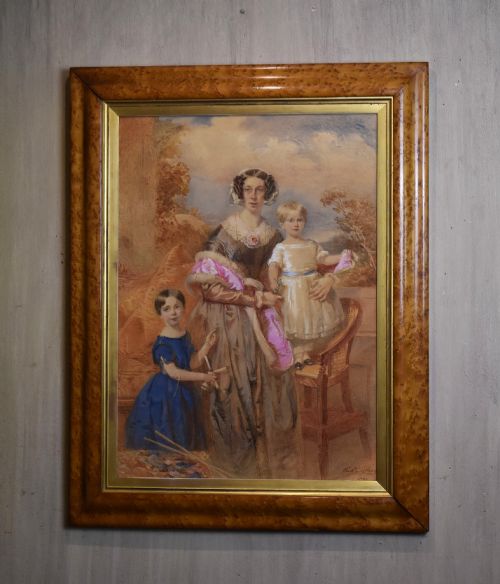
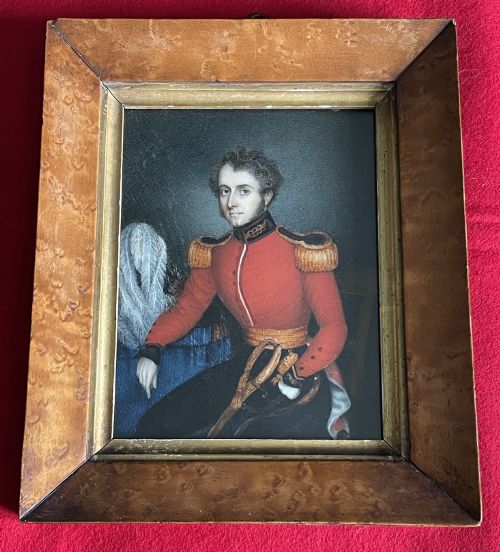


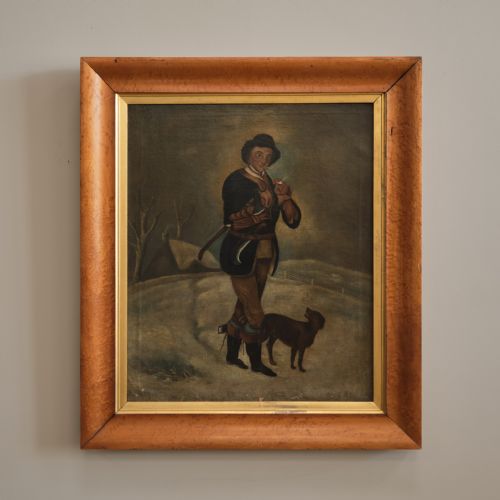


Maple Framed Portrait
A maple framed portrait brings together characterful portraiture and warm timber grain, offering a distinct piece of history for the wall.
Maple Framed Portrait
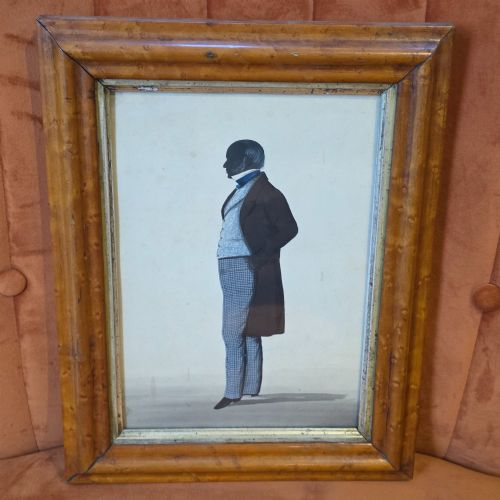
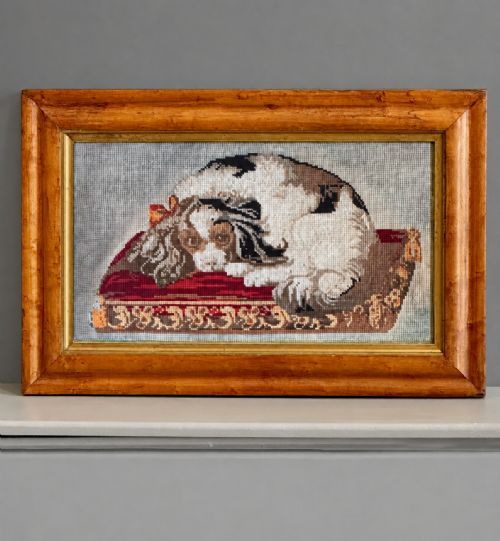
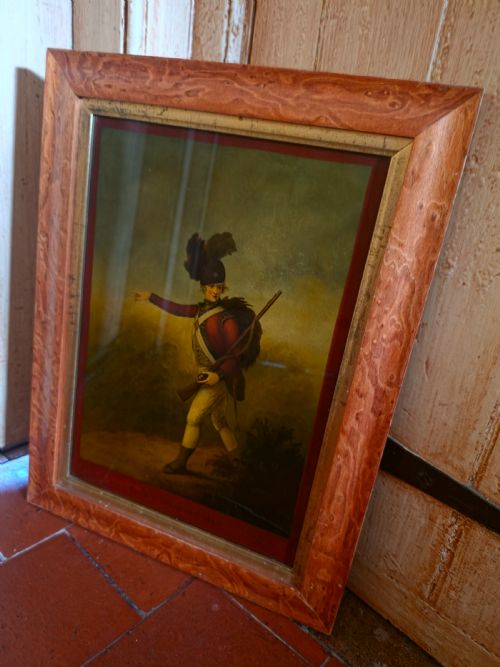
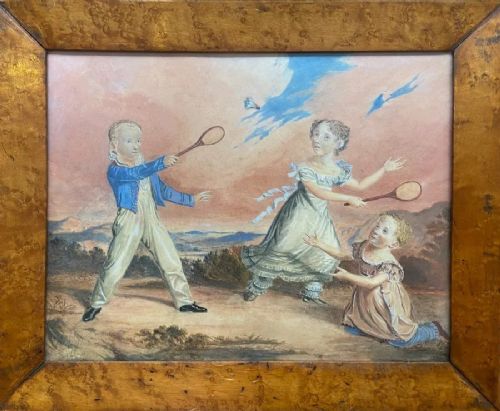
When searching for a maple framed portrait, collectors encounter works spanning the Georgian, Regency, and Victorian periods, alongside later twentieth-century examples. These pieces typically comprise watercolours, oil paintings, silhouettes, and needlework housed within characteristic pale timber moulding.
The subjects range from naive school studies of children and animals to detailed watercolours and ink silhouettes by known artists. Many examples retain their original burr or bird's eye timber surrounds, which provide the defining aesthetic of the group.
Materials and construction
The frames utilise maple timber, frequently selected for its decorative bird's eye or burr figuring, enclosing glass to protect the artwork beneath. Works on paper, canvas, panel, and silk utilise watercolours, ink, oil, and hand-cut silhouette techniques.
Makers shaped the timber into simple ogee or flat profiles, sometimes incorporating gilt slips to accent the inner edge. The physical components combine organic plant and animal fibres with traditional joinery methods appropriate to the nineteenth century.
Listings feature maple frames alongside materials such as glass, paper, watercolour, gold leaf, and ink across nineteenth-century styles.
Factors influencing quality
Quality rests upon the skill of the artist and the intensity of the figure within the timber frame. Superior examples demonstrate accomplished brushwork or precise cutting, paired with highly figured burr maple that exhibits depth and warmth.
Condition plays a central role, particularly the preservation of the original glazing, the stability of the painting or paper beneath, and the absence of heavy timber shrinkage or replacement parts.
Frith·Frederick Tatham·Augustin Edouart·Robert Faulkner·John Ferneley Jnr
The Maple Framed Portrait Glossary
- Silhouette
- A portrait profile filled with solid dark pigment or cut from paper. These works frequently date from the Regency and Victorian eras.
- Bird's eye maple
- A figure in maple wood resembling tiny swirling eyes caused by local disruptions in grain growth. Cabinet makers prized this timber for decorative picture frames.
- Naive school
- Art produced by self-taught or untrained painters who prioritised directness and pattern over formal perspective. These works often display charming domestic or sporting scenes.
- Reverse glass painting
- An image painted directly onto the rear side of a glass panel to be viewed from the front. This technique produces a glossy surface finish.
Maple Framed Portrait: Frequently Asked Questions
How do I date a maple frame?
Dating relies upon the profile of the moulding, the method of corner construction, and the type of saw marks visible on the reverse. Earlier examples often feature deeper ogee profiles and hand-planed surfaces.
Changes in hanging hardware and backing boards further assist in placing a piece within the Georgian or Victorian period.
Are silhouettes considered portraits?
Silhouettes function as direct profiles of sitters, capturing individual likenesses through shadow and line before the widespread adoption of photography. They served as an accessible form of personal record.
Many period examples include detailed hand-painted embellishments or gold leaf highlights upon the clothing.
What is naive art?
Naive art describes paintings created outside the formal academic tradition, often by artists without institutional training. They capture subjects with honesty and unpretentious perspective.
These pieces frequently depict family members, pets, and everyday domestic interiors with engaging simplicity.
How should I hang these works?
Display these pieces away from direct sunlight to protect fragile watercolours, silk embroidery, and paper silhouettes from fading. Stable indoor humidity prevents the timber frame from warping.
Secure hanging wire should be checked to ensure it supports the weight of the original glass and timber safely.