
Paper Portrait Painting
A paper portrait painting brings intimate human likenesses from the eighteenth, nineteenth, and twentieth centuries into focus on delicate supports.
Paper Portrait Painting
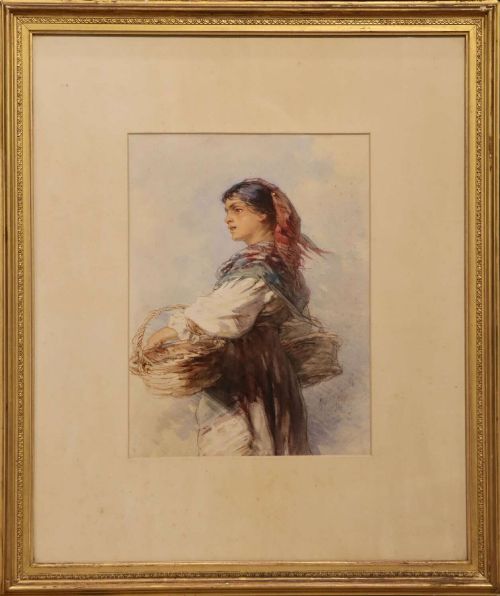
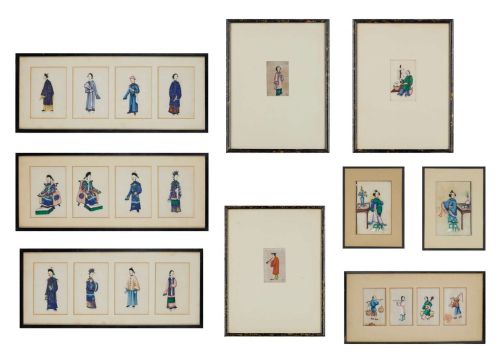
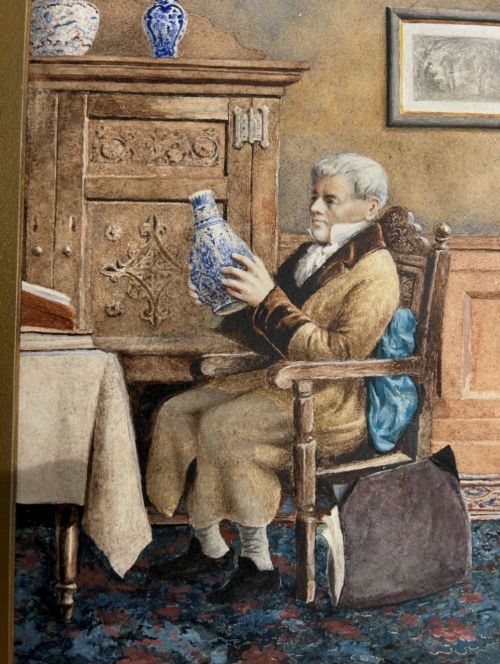
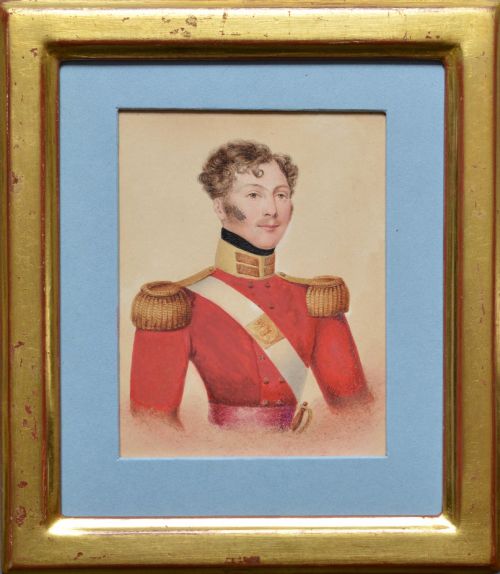
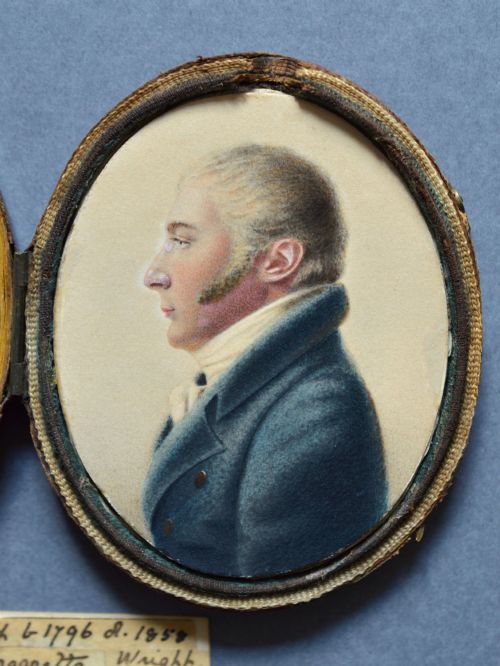
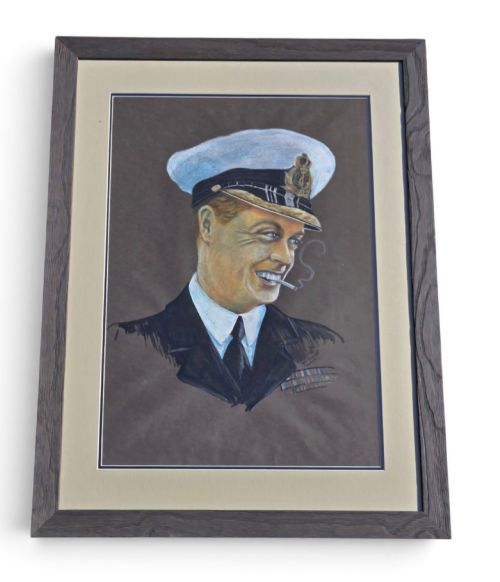
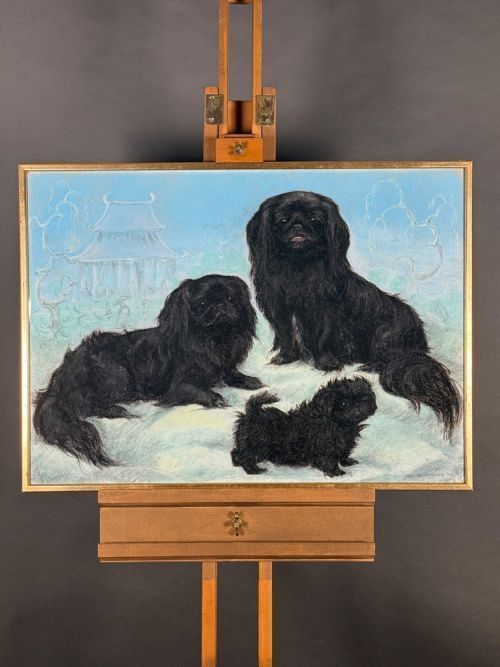
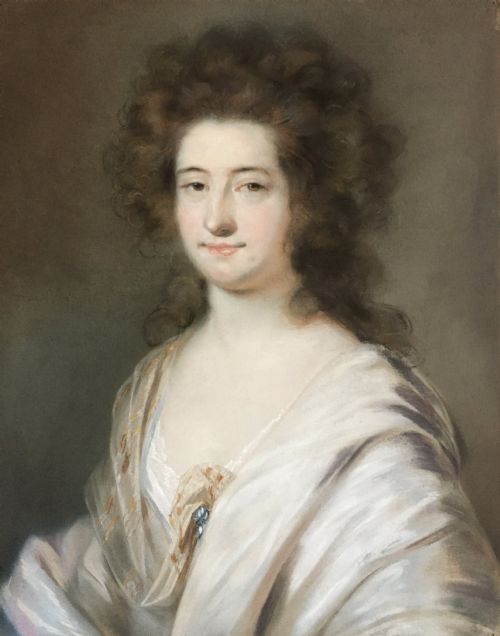
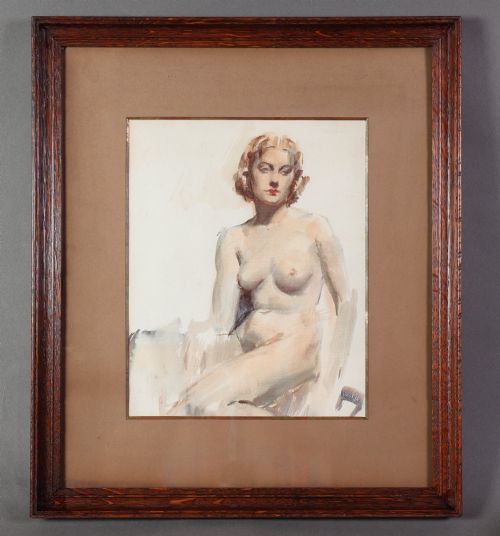
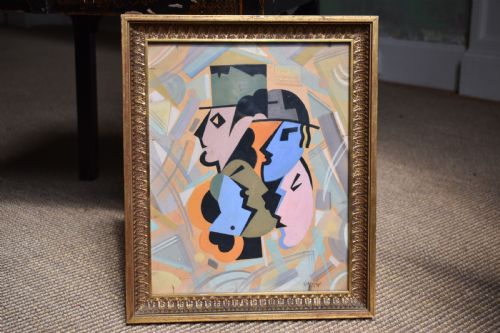
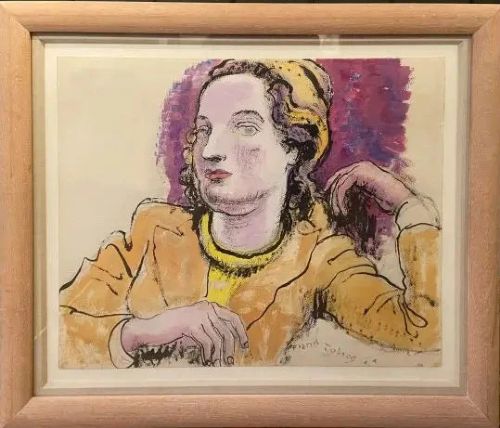
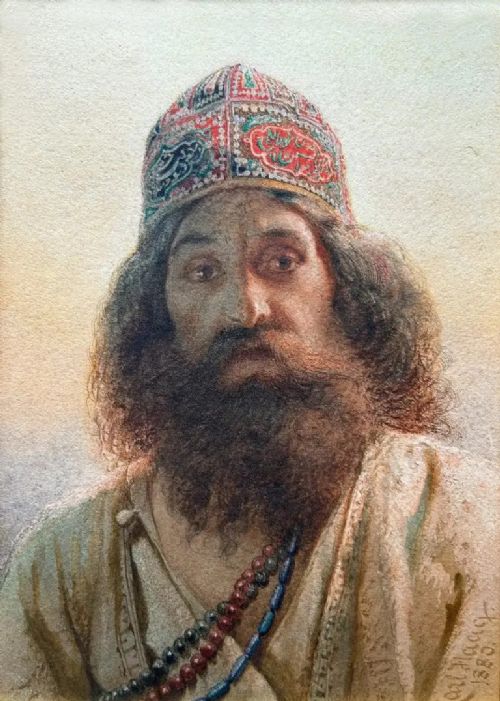
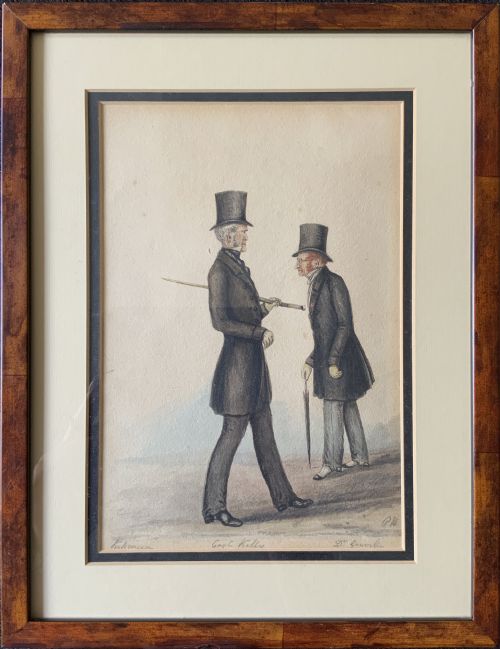
A paper portrait painting captures likenesses across multiple historic periods, ranging from Georgian and Regency examples to Victorian and mid-twentieth-century pieces. Buyers browsing this selection encounter framed watercolours, pastels, gouache works, and ink drawings depicting figures from British officers to Chinese pith subjects.
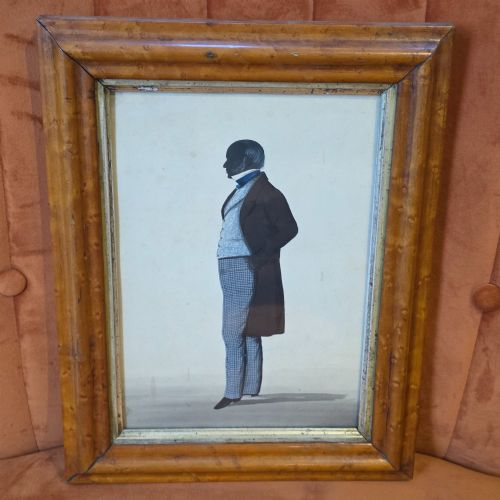
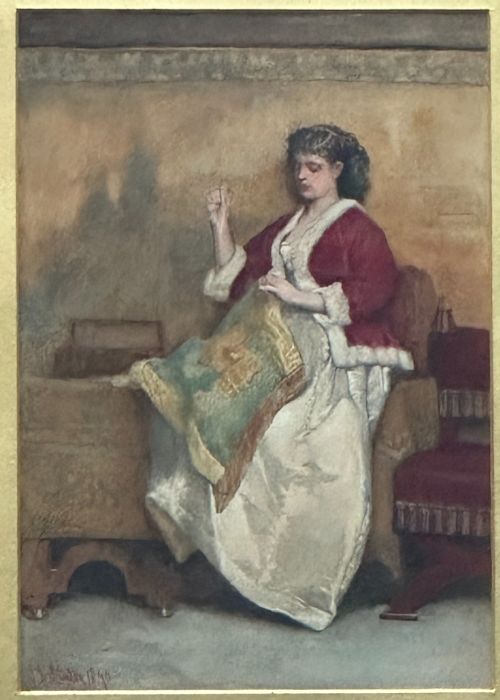
The most common formats on this page are nineteenth-century watercolours and pastels on paper, often preserved under glass within original wood or giltwood frames. These range from intimate portrait miniatures and silhouette studies to larger genre paintings and military sketches.
Materials and execution
Artists relied primarily on paper supports, sometimes utilising fragile pith or rice paper for delicate nineteenth-century figural studies. Pigments were applied using watercolours, gouache, pastel, ink wash, and charcoal to achieve varied textural depths.
Finished works were typically housed behind glass within wooden or giltwood frames to protect the sensitive paper surface from environmental degradation.
Listings span periods from the 18th century to the mid-20th century, utilising paper, watercolour, gouache, pastel, and ink.
Judging execution and preservation
Quality rests upon the sureness of the draughtsmanship and the artist's ability to capture expression and character within the medium, whether working in rapid pastel sketch or detailed watercolour. Finer examples display confident handling of line and tone that brings the subject forward on the sheet.
Condition and survival largely dictate desirability, as paper works remain vulnerable to light, moisture, and acid migration from early backing materials. Pieces retaining their original framing and crisp pigment retention stand apart from those showing heavy fading or foxing.
Guido Bach·Thomas John Horsley·Frank Dobson·Carl Haag·Albin R Burt
The Paper Portrait Painting Glossary
- Watercolour
- A painting method where fine pigment is suspended in a water-based, translucent solution applied to paper. It allows for delicate washes and layered luminosity.
- Gouache
- An opaque water-based paint containing pigment mixed with a binding agent and white filler. It produces a solid, matte surface often combined with watercolour for highlights.
- Pastel
- A dry painting medium consisting of powdered pigment combined with a binder. Applied directly to paper, it yields rich, velvety colour.
- Pith paper
- A delicate material cut from the pith of the Tetrapanax papyrifer plant, used extensively for nineteenth-century Chinese export paintings. It has a distinctive spongy texture that absorbs watercolour brilliantly.
- Giltwood
- Wood carved and coated with gold leaf or gold paint, commonly used for traditional picture frames. It provides a reflective, ornate border for works on paper.
Paper Portrait Painting: Frequently Asked Questions
How should I hang a paper portrait painting?
Keep works on paper away from direct sunlight and damp environments to prevent fading and foxing. Proper placement behind glass ensures the delicate medium remains protected from airborne pollutants.
Ensure the frame hangs securely from appropriate wall fixings without placing strain on the antique structure. Professional framing using acid-free materials safeguards the longevity of the paper support.
Are these portraits always British?
While many pieces originate from British schools and domestic artists, the selection includes international works such as nineteenth-century Chinese pith paintings. Continental European subjects and artists also appear across various periods.
Examining the artist signature, sitter details, and framing style often reveals the geographic origin of the piece. Dealers frequently note the probable school or region within the listing title.
What is the difference between watercolour and pastel?
Watercolour employs translucent washes applied with a brush, creating fluid transitions and light effects on paper. Pastel uses dry pigment sticks directly on the sheet, producing soft, velvety textures and dense colour.
Both mediums require glass protection, but pastels are particularly fragile due to the loose nature of unvarnished pigment powder. Collectors handle pastel works with extreme care to avoid disturbing the surface.
How can I tell the period of a portrait?
Clothing, hairstyles, and framing styles provide immediate visual clues to the era in which a portrait was created. Regency pieces often feature high-waisted fashions, whereas Victorian works display more elaborate garments and heavier frames.
Backing boards, handwritten inscriptions, and artist dates offer further verification of the creation period. Comparing the technique to documented examples from the same decade confirms the timeline.