
Georgian Portraiture Framed Art
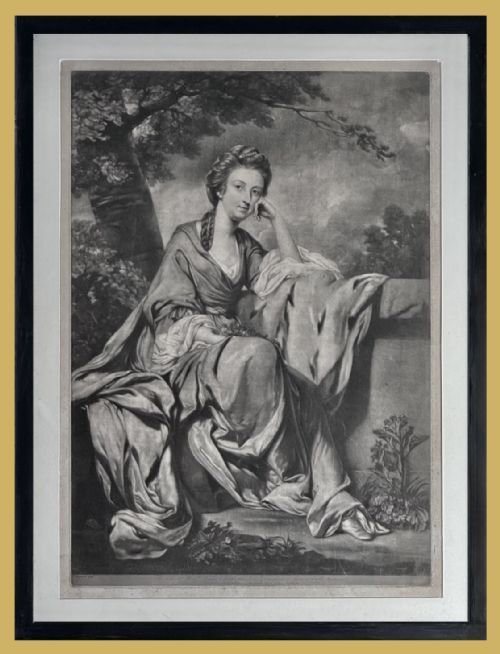
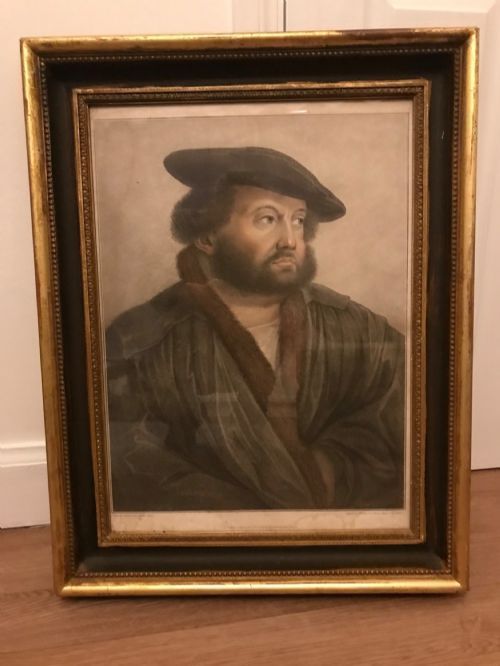
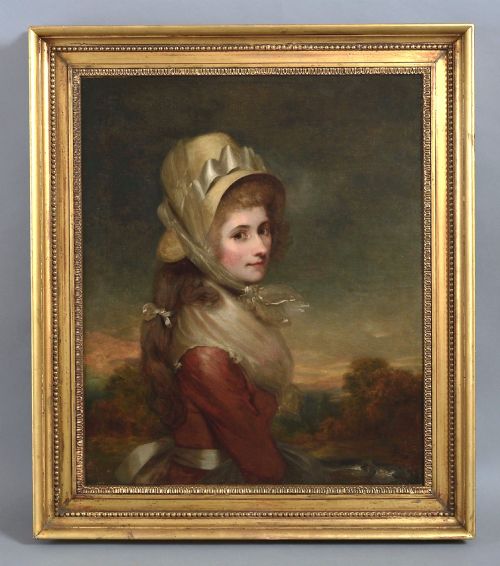
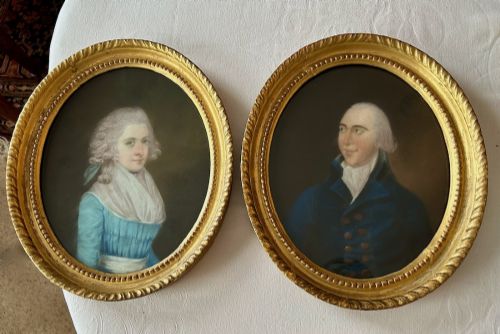
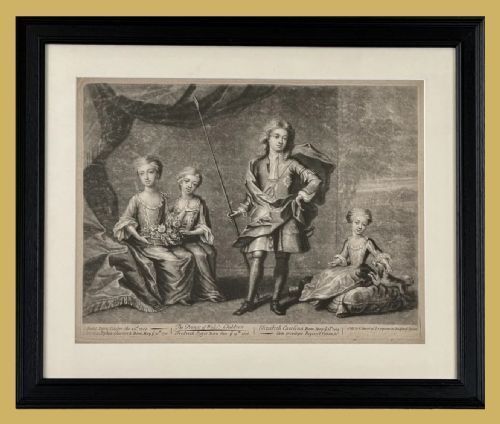
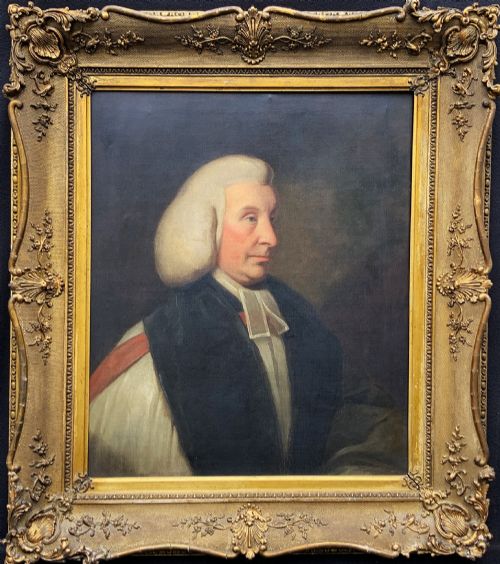
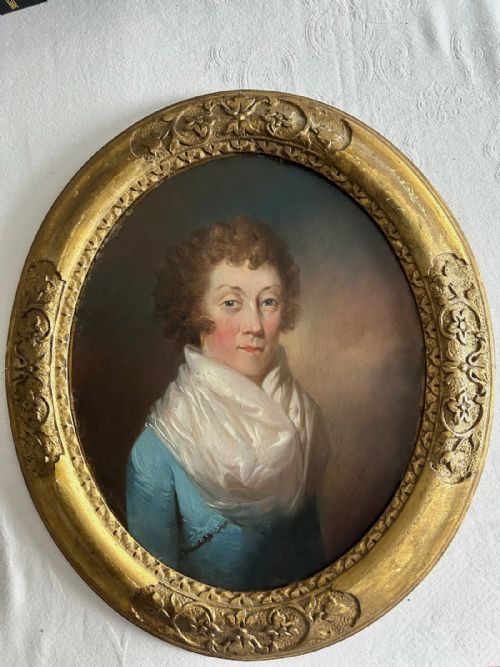
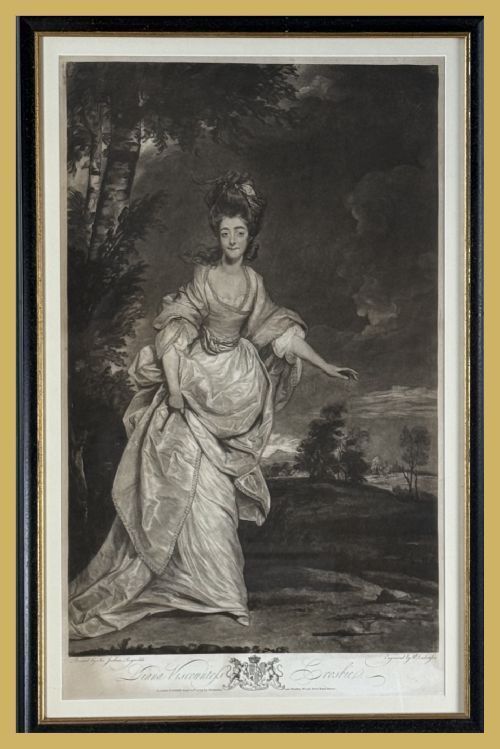
Georgian portraiture framed art captures the striking likenesses of historical figures through oil paintings, pastels, and mezzotints housed within period frames.
Georgian Portraiture Framed Art
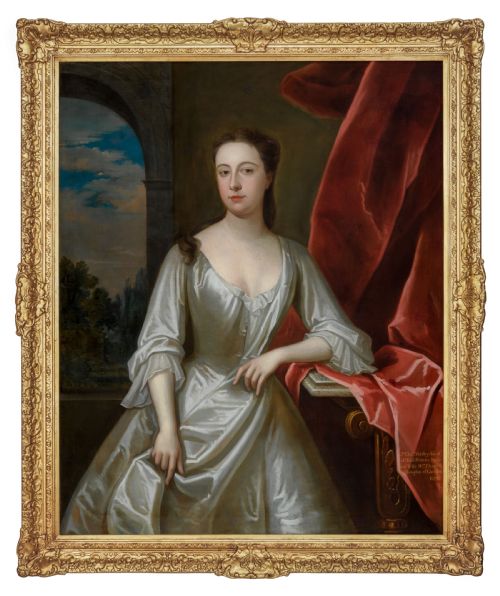
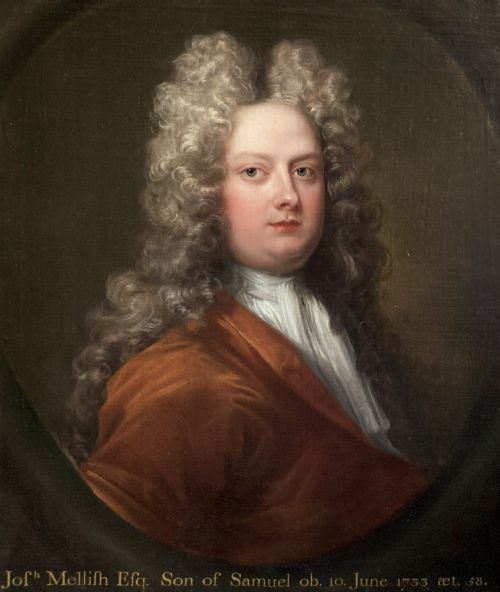
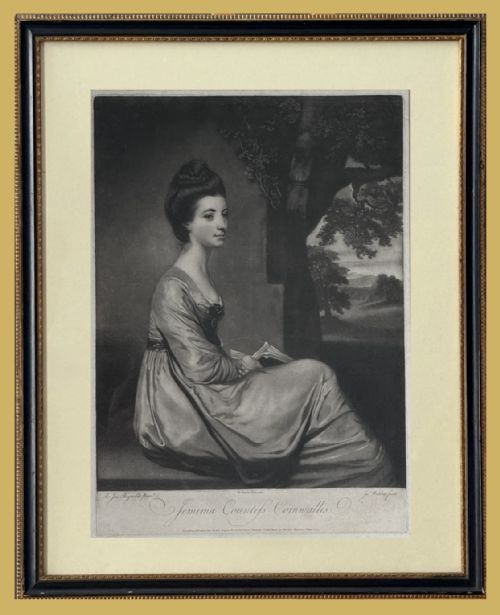
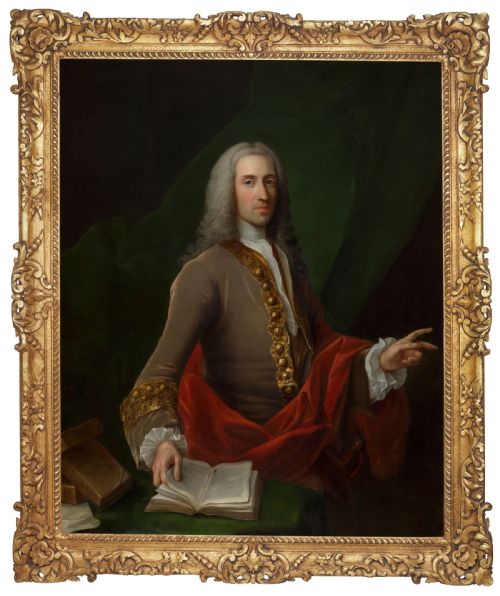
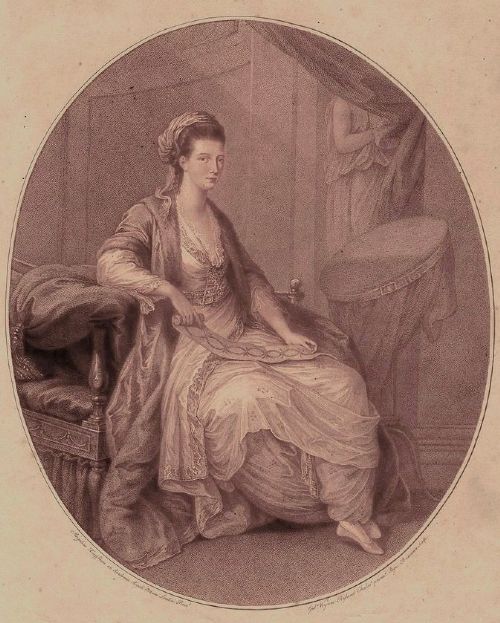
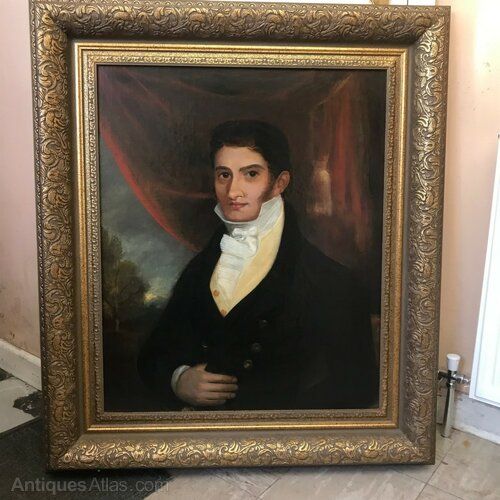
Georgian portraiture framed art encompasses oil on canvas paintings, pastel works on paper, watercolours, silhouettes, and printed mezzotints depicting notable and everyday individuals from the eighteenth and early nineteenth centuries. You encounter grand depictions of nobility alongside intimate studies of children, gentlemen, and ladies wearing period attire.
The selections span British Baroque, Georgian, Regency, and early Victorian aesthetics, representing both named artists and the broader English School. Most pieces retain their period enclosures, including original giltwood, maple, or ebony frames that complement the character of the artwork inside.
How they were made
Painters applied oil paint to stretched canvas or wood panels, building up rich garments, skin tones, and detailed backgrounds using traditional layering techniques. Draughtsmen also utilised pastel pigments on paper or executed delicate watercolour compositions to capture softer expressions.
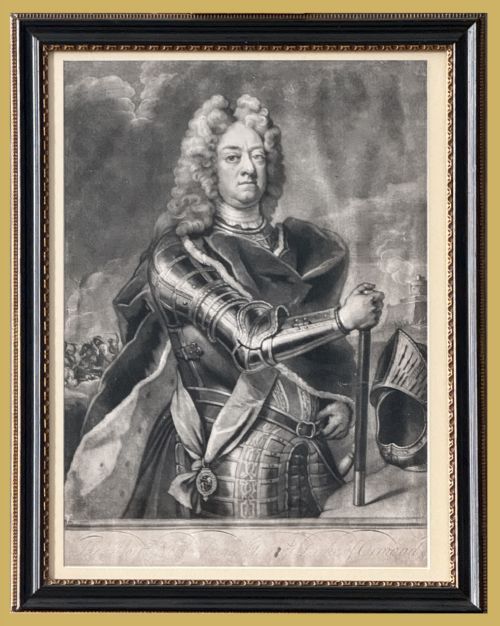
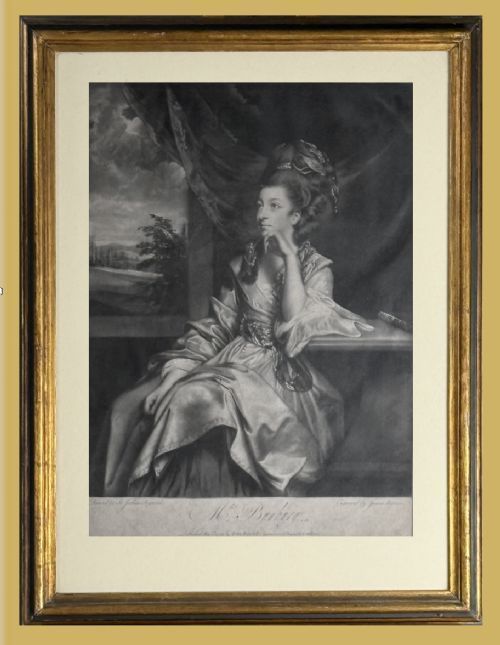
Printmakers created popular portraiture through mezzotint engraving on copper plates, applying ink to transfer finely textured tonal shades onto paper. These graphic works and paintings were then housed in custom wooden frames, frequently enhanced with gold leaf gilding.
Listings feature oil paintings, pastels, watercolours, and mezzotint prints produced across the eighteenth and nineteenth centuries.
What varies in quality
The skill of the hand dictates the distinction between standard provincial works and superior portraiture, visible in the anatomical precision of hands, facial expression, and the convincing fold of a silk or velvet coat. Master portraitists achieved a lifelike presence and psychological depth that lesser workshops failed to capture.
The integrity of the physical object also alters the standing of a piece, particularly the survival of the original canvas support, the preservation of the pigment without extensive overpainting, and whether the artwork retains its contemporaneous period frame.
Sir Godfrey Kneller·Charles Jervas·Michael Dahl·Sir Joshua Reynolds·Francesco Bartolozzi·Sir Martin Archer Shee·Jeremiah Davison·John Simon·Edward Fisher·James Watson·W Dickinson·John Smith·Charles D Agar·Augustin Edouart·John Russell R A·Thomas Gainsborough·Joseph Highmore·John Hamilton Mortimer·Sir Thomas Lawrence·Enoch Seeman
The Georgian Portraiture Framed Art Glossary
- Mezzotint
- A printmaking process where the copper plate is roughened to produce dark tones, and scraped to create lighter areas, allowing for rich gradations of shadow and light. This technique was widely used in the eighteenth century to reproduce famous oil paintings.
- Pastel
- A dry medium consisting of pigment and a binder, worked directly onto paper to create portraits with a soft, matte finish and vibrant colour. Works in this medium require glass protection to prevent the pigment from smudging.
- Giltwood
- Wood, typically carved timber, coated with a thin layer of gold leaf or metallic powder to create a brilliant decorative surface. Frames finished in this manner were standard for formal Georgian oil paintings.
- English School
- A designation applied to works created by British artists or painters working within Britain whose specific individual identities remain unrecorded or attributed to a circle. It groups together stylistic similarities of a particular era.
- Reverse Glass Print
- An image transferred and painted directly onto the reverse side of a glass panel so that the finished picture is viewed through the transparent pane. This technique produced glossy, protected decorative panels popular in the Georgian period.
Georgian Portraiture Framed Art: Frequently Asked Questions
How do I date a Georgian portrait?
Dating relies heavily on the sitter's costume, hairstyle, and wig style, which shifted distinctly between the early and late eighteenth century. Stylistic clues in the painting technique and the construction methods of the accompanying wooden frame also offer reliable chronological markers.
Written inscriptions on the canvas reverse or stretcher bars occasionally record the sitter's identity and the year the likeness was captured. Comparing these elements with documented works by the same artist helps narrow the production window.
Were these portraits always framed?
Paintings on canvas were commissioned specifically to be housed in substantial frames that projected status and completed the visual composition. A contemporary frame formed an essential part of the artwork's presentation from the moment it left the studio.
While frames could be updated by later owners to match changing interior fashions, surviving period frames provide valuable context about how the portrait was originally displayed in a Georgian home.
What is an English School portrait?
This term identifies works painted in Britain whose exact author is unrecorded, though the technique, palette, and composition clearly belong to a specific artistic tradition. These pieces reflect the prevailing standards and trends of portraiture during a particular decade without bearing a signature.
Attributions are sometimes assigned to the circle or studio of a prominent master when the brushwork closely mimics their documented output. Such works offer an accessible entry point into collecting period art.
How should I care for oil portraits?
Display oil paintings away from direct sunlight and sudden temperature shifts to prevent the canvas from slackening and the paint layers from cracking. Gentle dusting with a soft, dry brush is sufficient for routine maintenance.
Avoid hanging works on damp walls or near active heat sources, which accelerates the degradation of both the canvas support and the gilded wooden frame. Professional conservation should be sought if the paint surface requires cleaning.