


Georgian Bird Eye Maple Frame
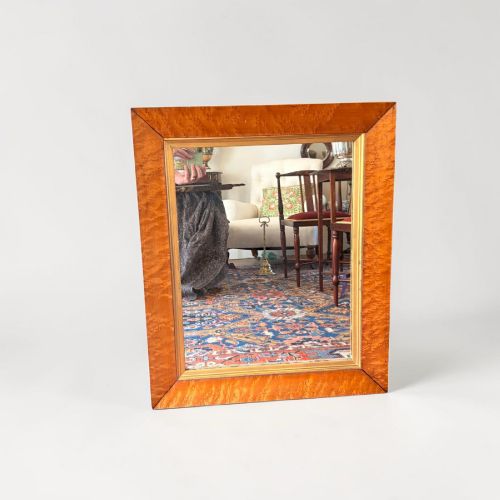
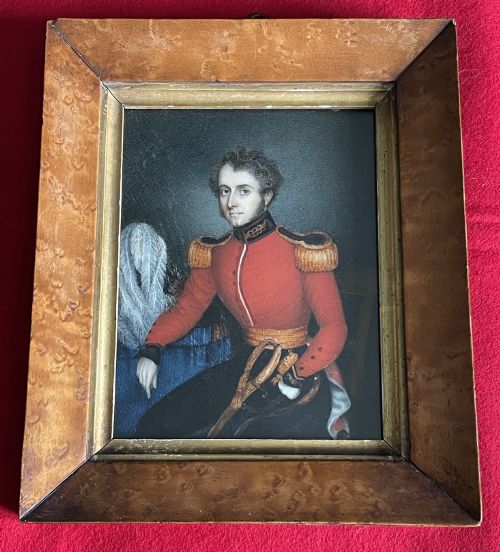
A georgian bird eye maple frame brings rich figuring and warm honey tones to portrait miniatures, prints, and small watercolours.
Georgian Bird Eye Maple Frame
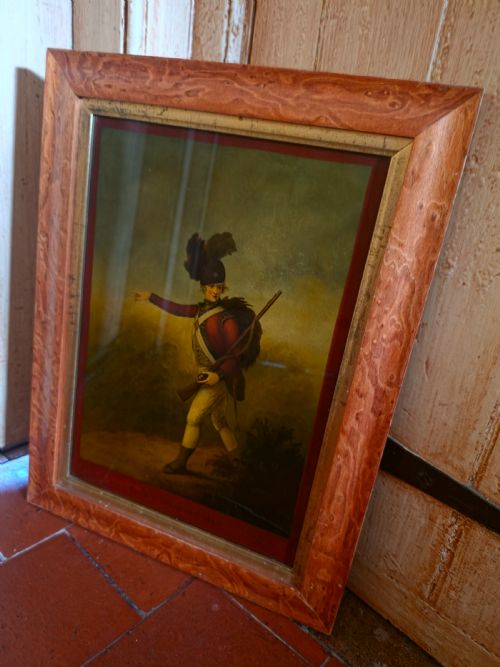
A georgian bird eye maple frame surrounds works on paper, mirrors, and textiles from the nineteenth century. These housings often hold portrait miniatures, watercolours, needlepoint samplers, and reverse glass prints.
The wood shows distinctive circular dotting and swirling patterns across the grain, giving the timber its characteristic mottled appearance. Examples span the Georgian, Regency, and Victorian periods, alongside continental Biedermeier work.
Most items on this page pair the timber's characteristic figuring with simple moulded profiles or giltwood slips. They function primarily to display and protect domestic wall art and personal portraits.
Materials and construction methods
Makers selected maple timber specifically for its distinctive bird's-eye figuring, cutting the wood to showcase the natural patterning across flat mouldings. They frequently combined the timber with gold leaf or giltwood slips to frame detailed watercolours and engravings.
Joinery techniques relied on traditional corner mitres to maintain the continuous flow of the wood grain around the perimeter. Protective glass layers and wooden backing boards were then fitted to secure fragile paper works, textiles, and reverse glass paintings.
One early nineteenth-century frame preserves a detailed print of Hogarth's satirical periwig study, reminding us that past owners enjoyed academic jokes just as much as we do.
Factors that distinguish quality
Quality rests primarily on the density and visual impact of the timber's figuring. Panels displaying tight, evenly distributed bird's-eye patterns command greater visual interest than plain or sparsely speckled sections of wood.
The depth of the moulding and the crispness of any applied giltwood decoration also separate standard examples from finer productions. Intact original surfaces without excessive secondary polishing retain the most character.
The Georgian Bird Eye Maple Frame Glossary
- Bird's-eye maple
- A figure in maple wood where the grain swirls around small eyes or dots. This natural optical effect occurs due to local depressions in the growth rings.
- Reverse glass painting
- An artwork painted directly onto the back of a glass pane and viewed from the front. This technique protects the pigments from dust and fading.
- Giltwood
- Wood that has been coated with a thin layer of gold leaf or metallic powder. It provides a bright metallic contrast against darker wooden borders.
- Silhouettes
- Solid black profile portraits cut from paper or painted onto a light background. They gained immense popularity during the Georgian and Regency periods.
- Sampler
- A piece of embroidery or cross-stitch work produced by individuals to demonstrate needlework skills. They often record alphabets, verses, and genealogical details.
Georgian Bird Eye Maple Frame: Frequently Asked Questions
What is bird's-eye maple?
Bird's-eye maple is a figure found in certain hardwood trees where tiny circular markings resemble small birds' eyes. The pattern results from unfavourable growing conditions that cause the wood fibres to twist.
Craftmen prize this timber for decorative veneer and solid framing because the distinctive figuring catches the light differently from straight-grained woods.
How do I date these frames?
Dating relies on examining the construction methods, backboards, glazing, and the style of the artwork housed within. Early nineteenth-century examples often feature hand-cut timber profiles and old glass panes.
Comparing the framing technique with known period pieces helps narrow down the decade of production, though many housings survived by holding successive generations of family portraits.
Can I change the artwork inside?
Changing the contents of antique housings is generally discouraged to preserve the original relationship between the piece and its display. Many early items rely on fragile backing papers, original sealants, and delicate glass.
Opening the rebate can disturb historic mountings and expose fragile watercolours, needlework, or engravings to damaging environmental shifts.
How do I clean the wood?
Maintenance requires only gentle dusting with a soft, dry cloth to remove surface particles. Moisture, chemical sprays, and modern polishes should be avoided entirely because they can damage old finishes and exposed timber.
Keeping the piece away from direct sunlight and damp environments prevents the maple from warping and protects any interior paper or textile works.