




Victorian Woman Portrait Artwork
These nineteenth-century depictions capture individual sitters with layered oil and watercolour pigments.
Victorian Woman Portrait Artwork
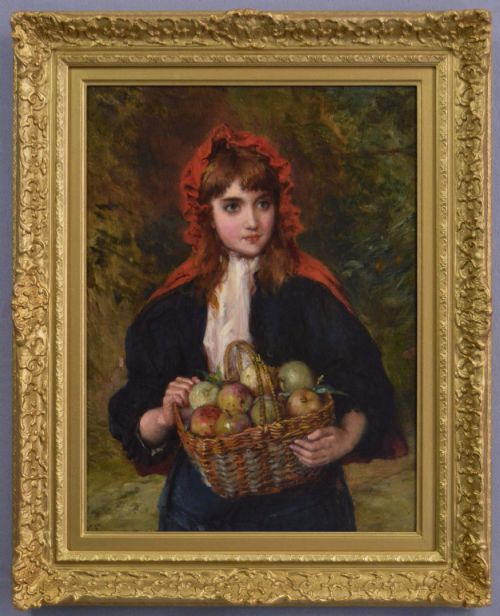
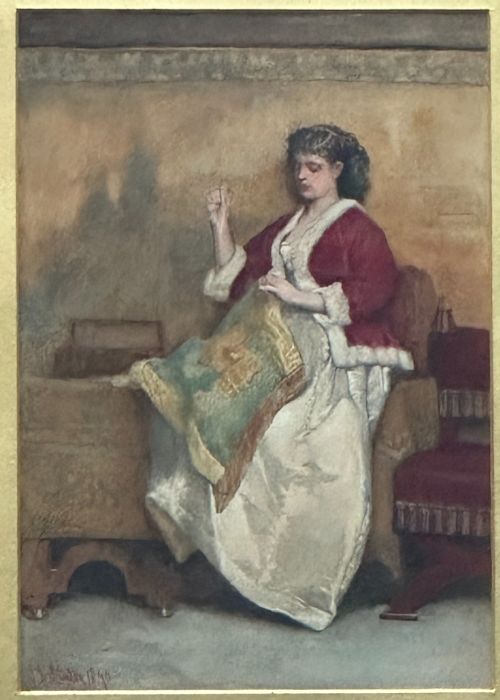
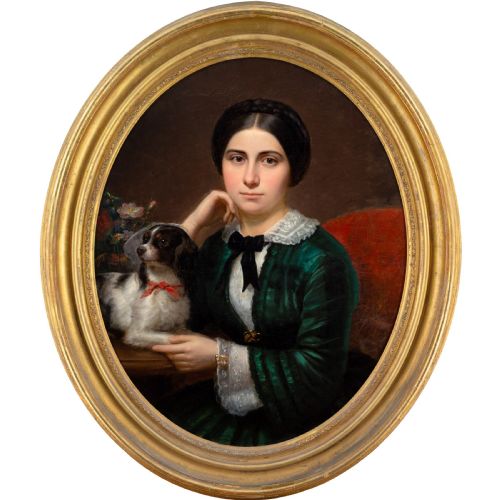
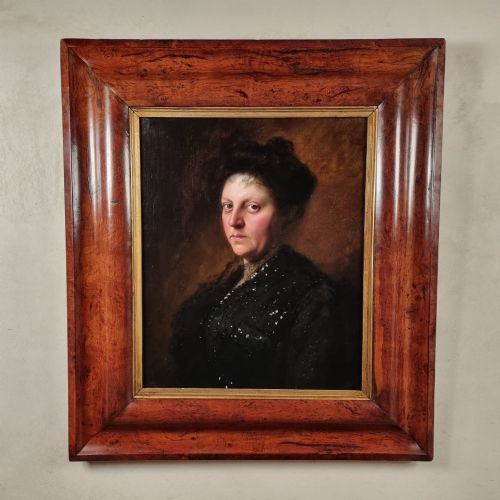
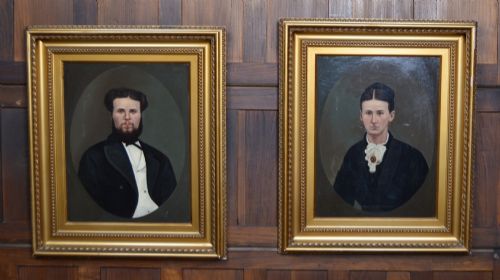
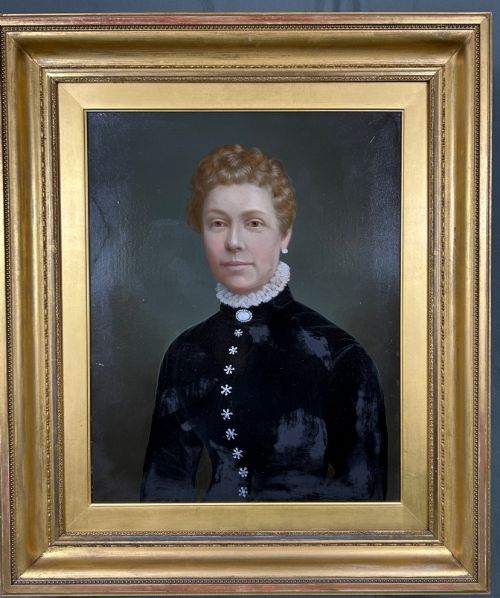
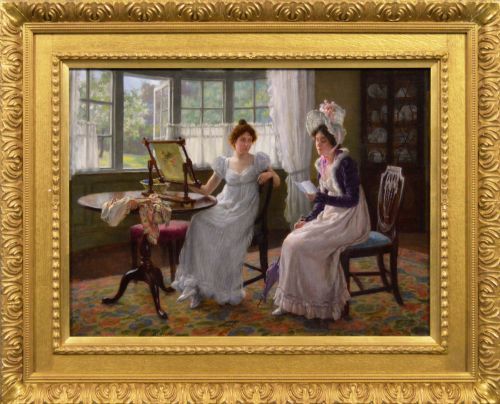
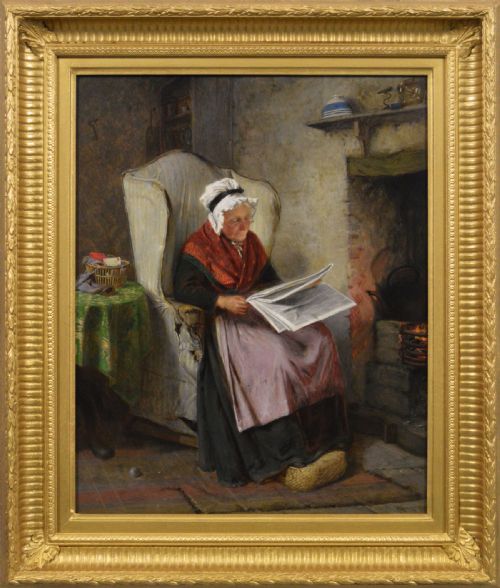
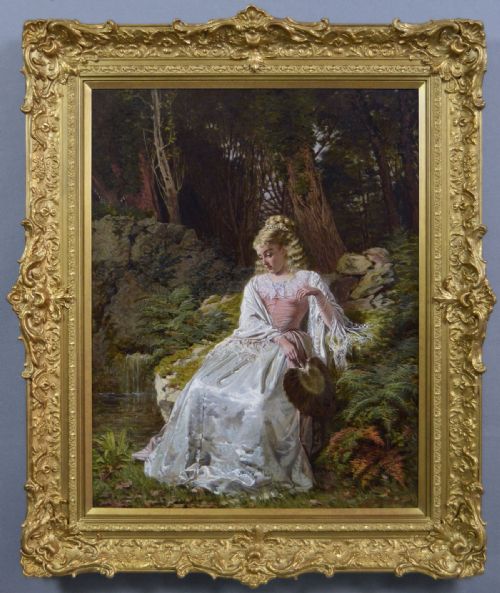
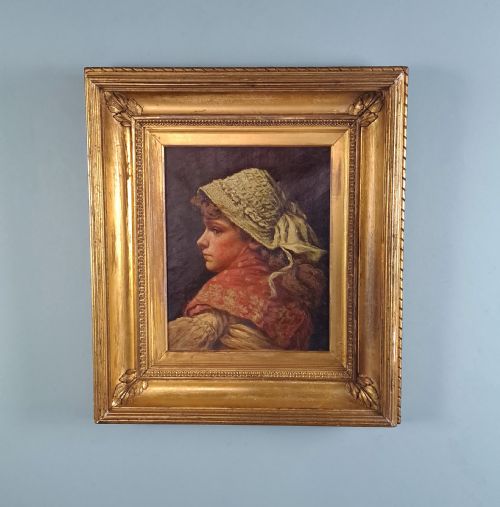
Victorian woman portrait artwork captures individual female sitters through oil paintings, watercolours and drawings produced across the nineteenth and early twentieth centuries.
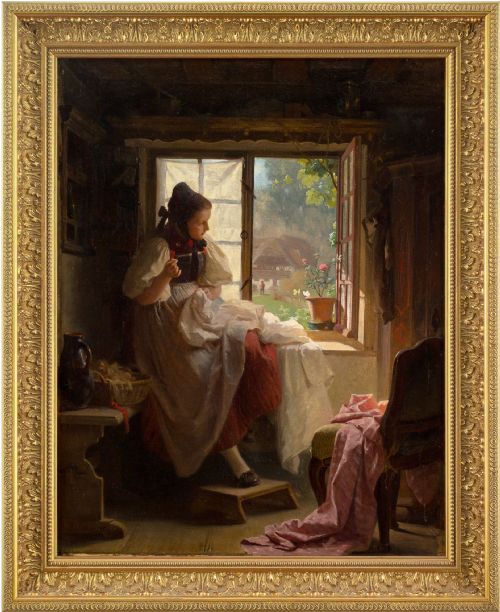
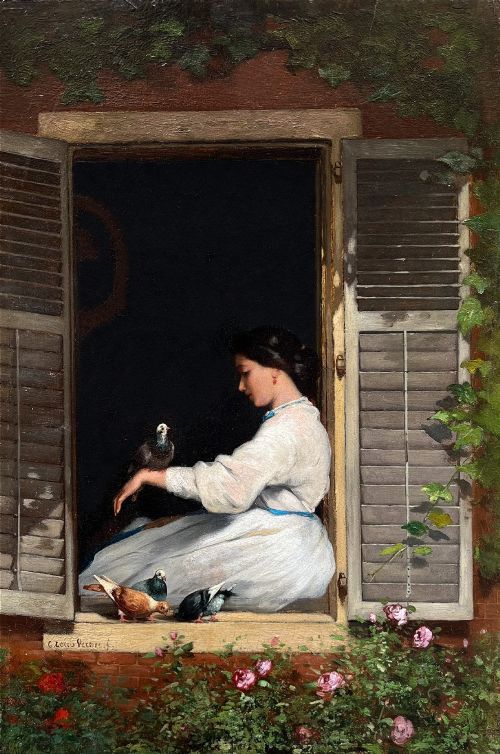
The works on this page include oils on canvas and board alongside delicate watercolours depicting ladies in domestic interiors, park settings and formal poses.
Examples range from mid-century academic studies to later genre scenes originating from English, French, and Italian artistic circles.
Materials and construction
Painters applied oil and watercolour pigments to prepared canvas, wood board and paper supports using traditional brushwork techniques.
Many works retain their original gilt wood, gesso and gold leaf frames that complement the painted surface.
Subtle applications of glaze and pigment build the texture of fabrics, skin tones and backgrounds.
Listed works span the nineteenth century up to the 1920s, utilising canvas, board, paper, oil paint, watercolour, gesso and gold leaf.
Distinctions in quality
The fidelity of facial expression, hands and fabric folds separates accomplished academic works from simpler decorative pieces.
The preservation of the original canvas, stable pigment layers and untouched historic framing dictate the integrity of the object.
William Oliver·Sir James Dromgole Linton·Max Kaltenmoser·Louis Charles Verwee·William Arthur Breakspeare·Charles Haigh Wood·Haynes King·Thomas Edward Roberts·C.S. Lidderdale·William Henry Knight·John Robert Dicksee·August Heinrich Riedell·William Joseph Carroll·Robert Faulkner·Sydney Kendrick·Edward Smyth·Federico Andreotti·Robert Kemp·Mary Eley·Willem Johannes Martens
The Victorian Woman Portrait Artwork Glossary
- Oil Paint
- A slow-drying paint made of pigment suspended in a drying oil, typically linseed. This medium allowed artists to achieve rich colour depth and smooth tonal gradations.
- Gesso
- A plaster-like mixture used as a base coat on wood panels or frames before gilding or painting. It provides a smooth surface for gold leaf adherence.
- Genre Painting
- A pictorial representation of scenes from everyday life involving ordinary people. These works often depict figures in domestic interiors or rural cottages.
- Watercolour
- A paint consisting of colour pigments suspended in a water-soluble vehicle. Artists applied these translucent washes primarily on paper supports.
Victorian Woman Portrait Artwork: Frequently Asked Questions
How do I hang these portraits safely?
Support heavy gilt frames using secure wall fixings rated for the combined weight of canvas and wood. Position the artwork away from direct sunlight and fluctuating heat sources to protect the painted surface.
Ensure the hanging wire or brackets attached to the original frame remain stable before mounting the piece at eye level.
What subjects appear in these paintings?
Sitters include young society ladies, domestic workers, children, and historical figures captured in interiors or landscapes. Artists also recorded genre scenes featuring women sewing, reading, or interacting with animals.
Clothing styles, bonnets, and accessories help indicate the approximate decade of creation.
How do I clean historic frames?
Dust gilt wood and gesso frames gently using a soft, dry brush without applying moisture or chemical cleaning agents. Liquid cleaners can strip the delicate gold leaf and historic finishes.
Consult a professional conservator if the gesso shows signs of flaking or cracking.
Can I identify the sitter?
Some works feature inscriptions on the reverse canvas or frame detailing the name, birth dates, and familial relations of the individual. Other portraits remain anonymous genre studies where the artist focused on mood or technique rather than specific identity.
Examine exhibition labels and stamps on the stretcher bars for additional provenance clues.