





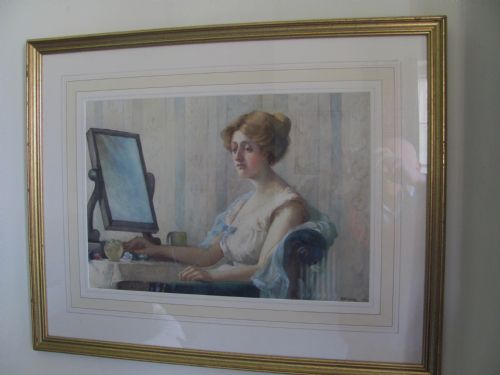
Edwardian Female Portrait Watercolour
These edwardian female portrait watercolour pieces capture delicate likenesses on paper, offering an intimate glimpse into past fashions and expressions.
Edwardian Female Portrait Watercolour
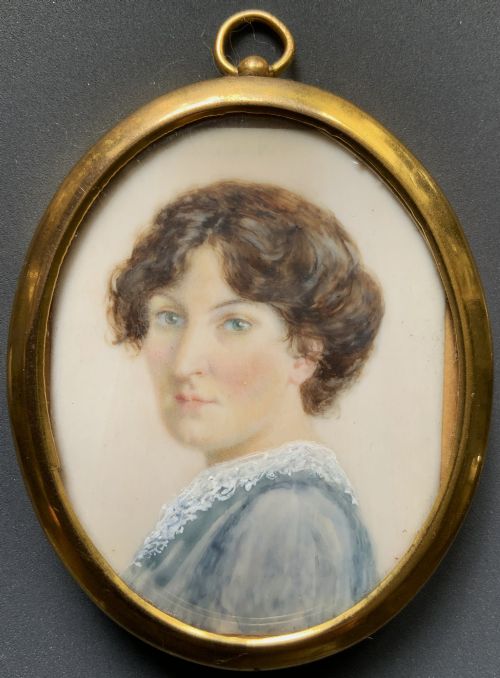
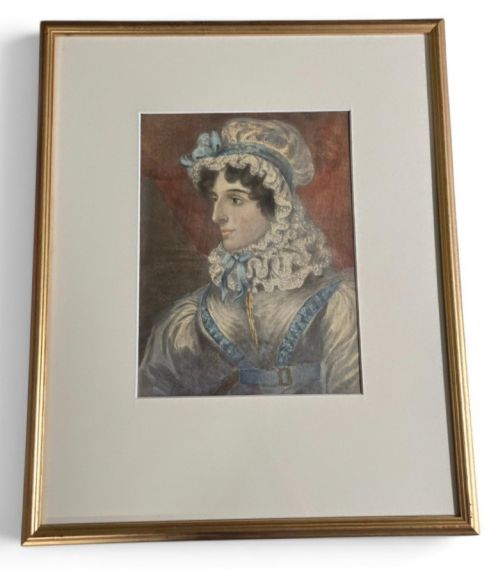
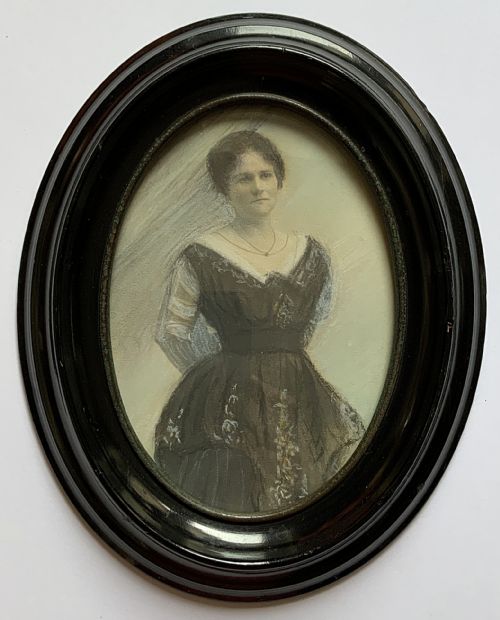
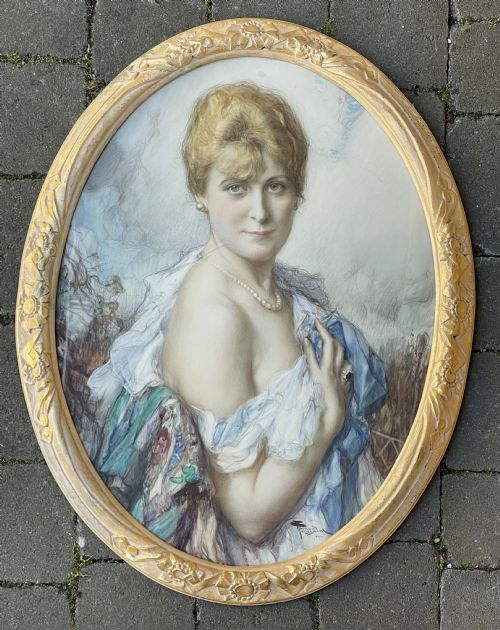
An edwardian female portrait watercolour depicts women from eras spanning the nineteenth and twentieth centuries, produced in mediums such as watercolour, pencil, and pastel on paper. You will encounter framed artwork, wall art, and miniature paintings, often preserved beneath glass in wood or brass frames.
The selections range from portrait miniatures to larger paintings, reflecting styles from the Victorian period through the Edwardian era and the Art Deco twenties. Artists utilise precise brushwork and pencil washes to render female subjects, including young girls, ladies in costume, and named sitters.
Pieces reflect a variety of origins and artistic approaches, encompassing British and continental works from periods such as the Belle Epoque and Georgian Revival. Buyers meet works by listed artists alongside miniature paintings on paper and framed portraits.
How They Were Made
Artists painted these works primarily using watercolour and pencil on paper support, occasionally incorporating gouache, pastel, or gold leaf to add detail and luminosity. Paint layers were applied with fine brushes to achieve subtle skin tones and fabrics.
Completed paintings were typically mounted behind glass and housed within wooden, brass, or gilded wood frames designed to protect the fragile paper surface from atmospheric moisture and handling.
Edwardian Female Portrait Watercolour Retail Price Guide 2026
Typical asking prices for edwardian female portrait watercolour among the pieces listed under this phrase on Sellingantiques today, from the lower quarter to the upper quarter. They describe what is for sale here now, not the wider market.
Listings feature works spanning the nineteenth and twentieth centuries, utilising watercolour, pencil, glass, wood, brass, and gold leaf.
What Varies in Quality
The preservation of the paper and the integrity of the original frame contribute significantly to the standing of a piece. Works that retain clear signatures, dates, and clean paper surfaces demonstrate superior craftsmanship.
Edward Bradford·Raoul Millais·Susie Lassam RMS RA·Edward Smyth·Fernand Toussaint·Charles Edward Wilson·Charles Prosper Sainton·Montagu Barstow·Leo Klin·K B Curtis
The Edwardian Female Portrait Watercolour Glossary
- Watercolour
- A paint consisting of pigment suspended in a water-soluble binder, used on paper to create translucent washes of colour.
- Portrait Miniature
- A small-scale painting, highly detailed and often housed in a small frame, depicting a specific person.
- Gouache
- An opaque water-based paint often used alongside watercolour to add highlights and solid areas of colour.
- Pencil Wash
- A technique combining graphite pencil lines with diluted ink or watercolour washes to build tone and shadow.
- RMS
- Royal Miniature Society, an association of artists dedicated to the creation of miniature works of art.
Edwardian Female Portrait Watercolour: Frequently Asked Questions
How should I hang these watercolours?
Protect the paper and pigments by placing the frame away from direct sunlight and damp environments. Use picture wire secured to the wall with appropriate fixings.
Ensure the glass does not touch the painted surface directly, as trapped moisture can damage the paper over time.
Are these works signed by the artists?
Many of the pieces bear artist signatures, initials, or dates inscribed directly onto the paper during creation. Documentation and attribution vary depending on the specific maker.
Examine the margins and lower sections of the composition to locate signatures or written titles.
What framing is typically used?
Frames frequently consist of wood, brass, or gilded wood enclosing a protective layer of glass over the paper. These materials reflect the framing styles popular during the periods of creation.
Original frames remain intact on certain pieces, contributing to their period character.
How do I identify the period?
Dating relies on stylistic clues in the clothing, hair styling, and the artist's working method. Costume details such as hats and fancy dress provide clear indicators of Edwardian or Art Deco influence.
Inscriptions, signatures, and framing materials also offer evidence regarding the era of production.