



Victorian Lady Oil Painting
A victorian lady oil painting captures the distinct likeness and attire of nineteenth-century subjects through layered pigments on canvas or wood.
Victorian Lady Oil Painting
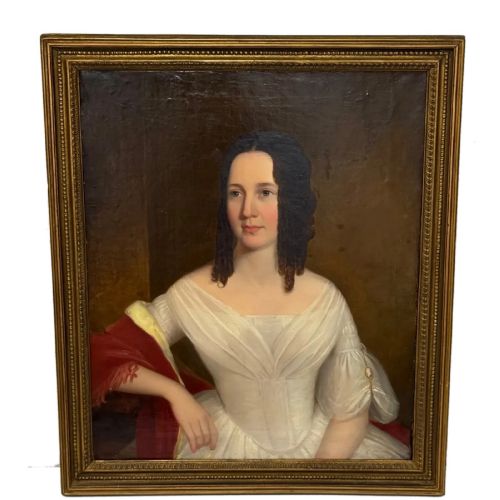
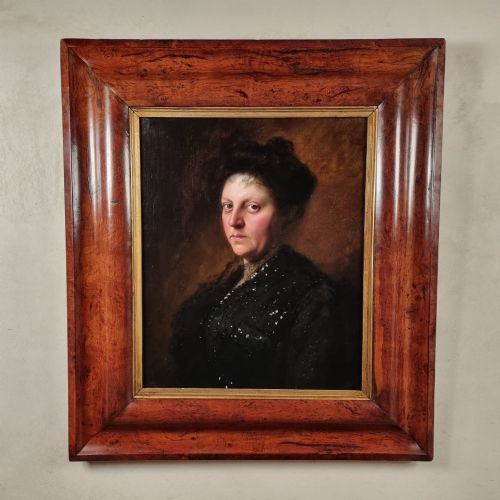
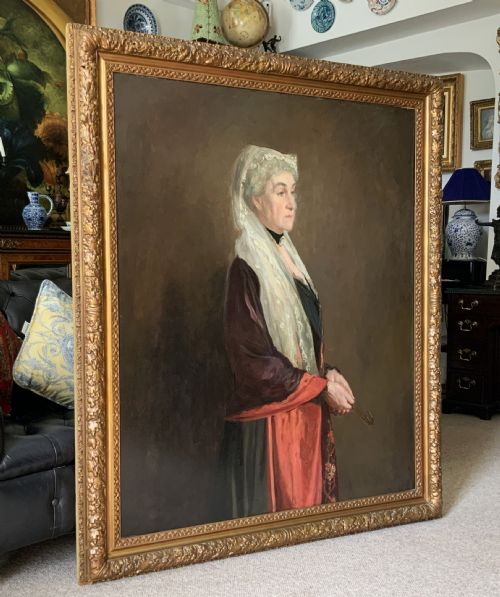
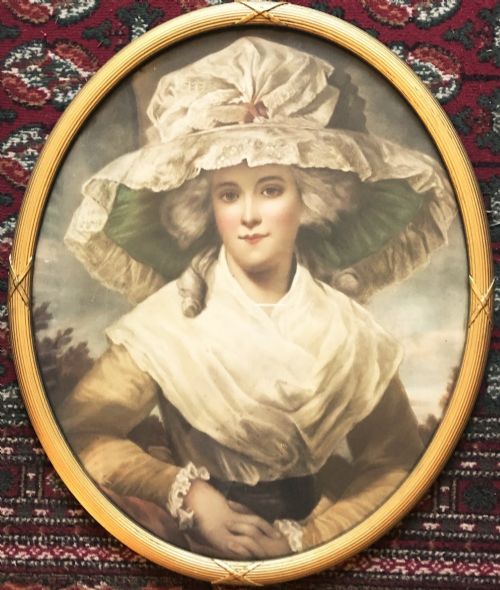
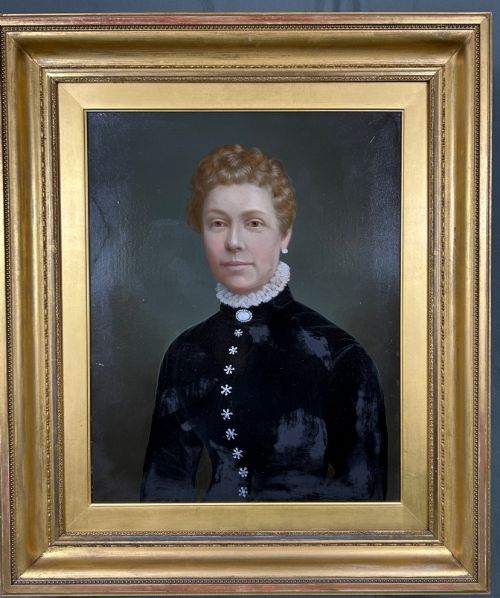
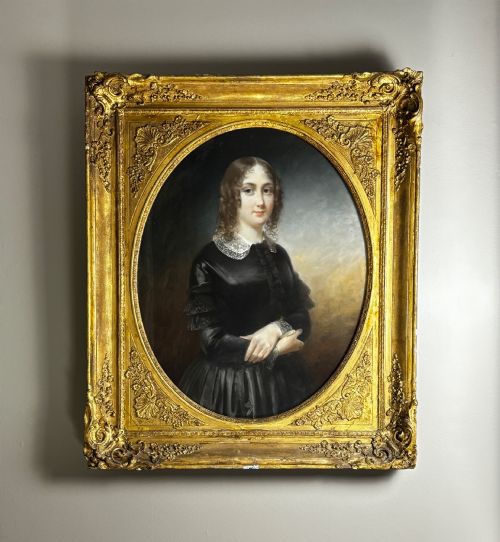
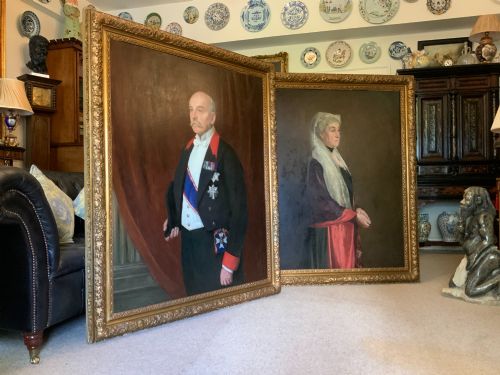
A victorian lady oil painting represents historical portraiture originating primarily from the nineteenth century, depicting female subjects in formal or domestic settings. These works range from intimate bust-length portrayals to large, highly detailed canvases documenting society figures and family members.
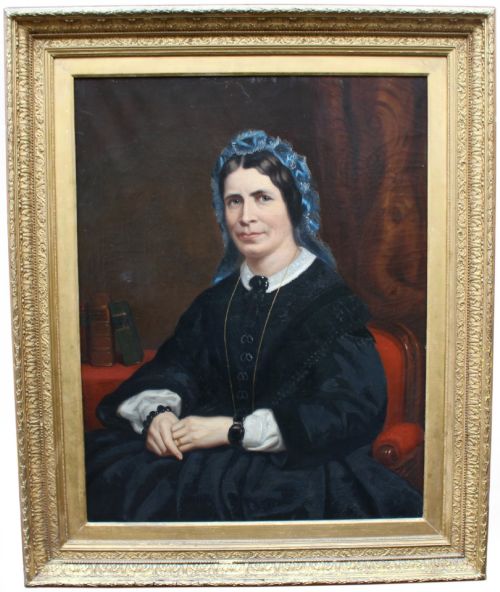
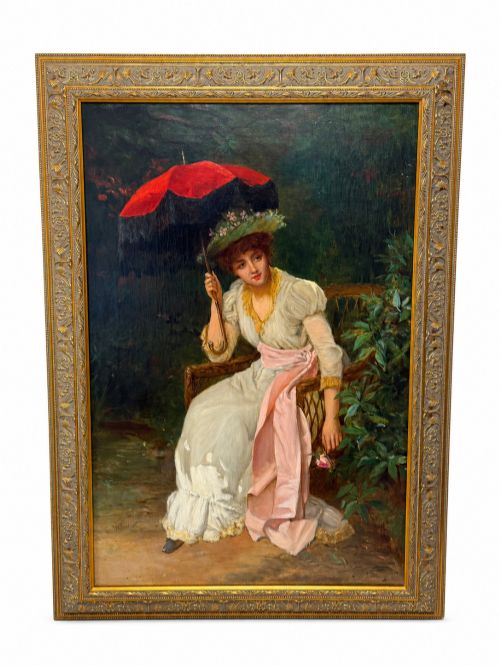
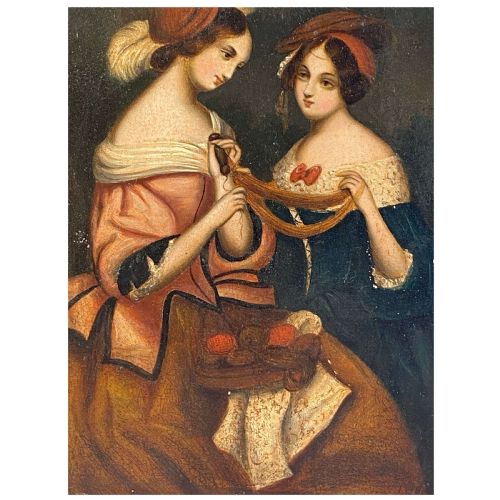
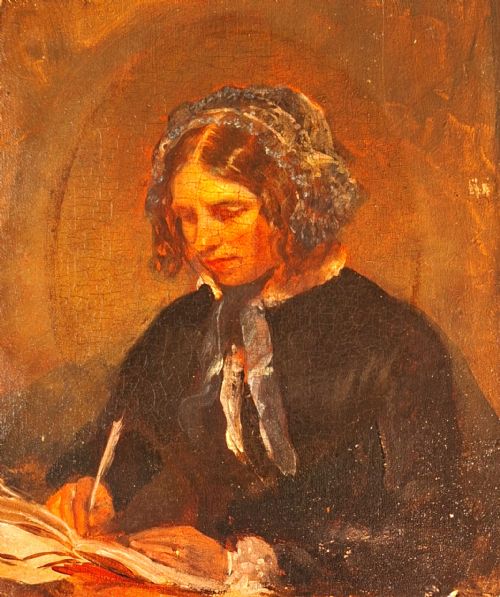
The selections available here emphasise authentic period pieces produced during the Victorian and Edwardian eras, alongside related nineteenth-century romantic and academic examples. Subjects appear in various attire, including lace caps, velvet dresses, bonnets, and shawls, often accompanied by personal items such as books or parasols.
Many of these portraits originate from British and European schools, capturing individual likenesses through distinct regional painting traditions. Surviving pieces include works signed by documented artists as well as unsigned studies from regional painters.
How They Were Made
Artists built these compositions using oil paint applied to stretched canvas, wooden panels, zinc panels, or boards prepared with a gesso ground. Paint layers were built up from dark underpaintings to luminous highlights, allowing for subtle transitions in fabric textures and skin tones.
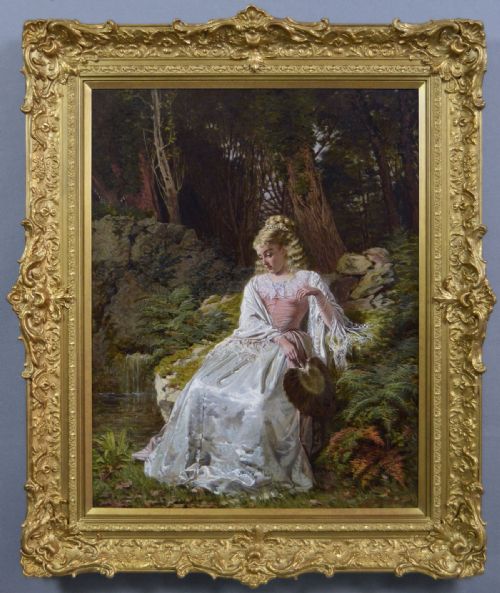
Completed canvases were housed in heavy frames constructed from wood and gesso, frequently finished with gold leaf or gilding. Many surviving frames retain their original decorative mouldings, adding significant depth and presence to the primary artwork.
Listings feature works executed on canvas, wood panels, and zinc panels, dated from the early nineteenth century through the Edwardian period.
What Varies in Quality
The standard of execution depends heavily upon the painter's anatomical mastery, handling of light, and ability to render textile textures convincingly. Superior examples demonstrate sophisticated brushwork in the depiction of lace, silk, and facial expressions.
Material preservation also influences the overall standard, distinguishing untouched canvases from heavily restored surfaces. Original framing matching the period of the painting contributes substantially to the integrity of the piece.
John Maler Collier·William Oliver·Honore Cavaroc·Thomas Edward Roberts·William Henry Knight·Louis William Desanges·August Heinrich Riedell·George Percy Jacomb-Hood·Samuel Lawrence·Harry Clifford Pilsbury·Bryce Smith·G E Boyes·Walter Emsley·Frank E Cox·Benjamin Cam Norton
The Victorian Lady Oil Painting Glossary
- Canvas
- A heavy woven fabric stretched across a wooden stretcher frame to serve as a stable support for oil paint.
- Gesso
- A plaster-like mixture applied to wood or canvas to prepare a smooth, absorbent surface for painting or gilding.
- Gilt Wood
- Timber framing coated with a thin layer of gold leaf or metallic paint to create a decorative, reflective finish.
- Wood Panel
- A rigid flat wooden support utilised by artists as an alternative to woven fabric.
- Academic
- Pertaining to artwork produced under the formal rules and high standards of traditional European art academies.
Victorian Lady Oil Painting: Frequently Asked Questions
How do I identify a Victorian oil painting?
Look for specific stylistic cues in the subject's clothing, hairstyle, and framing materials that align with nineteenth-century fashions. Portraits from this era frequently depict women in lace caps, bonnets, or structured velvet dresses.
Examination of the canvas reverse, stretcher bars, and framing techniques often reveals period inscriptions, maker stamps, or historical labels that help confirm the age.
Where should I hang an oil portrait?
Display these works on interior walls away from direct sunlight and damp environments to protect the oil paint and gilded frames. Stable room temperatures prevent the canvas and wood panels from warping over time.
Positioning the painting at eye level in a principal room allows the fine details of the subject's expression and attire to be fully appreciated.
Can I clean an antique oil painting?
Dust accumulation on the surface can be removed gently using a very soft, dry artist brush without applying pressure. Avoid using water, household cleaners, or solvents on the painted surface.
Professional conservators should handle deeper cleaning, varnish removal, or canvas repairs to prevent permanent damage to the original pigment layers.
What is the difference between canvas and panel supports?
Canvas consists of woven fabric stretched over a wooden frame, offering slight flexibility and a textured surface for brushstrokes. Wood panels provide a rigid, completely flat surface that resists sagging and preserves fine linear details.
Both supports were widely used throughout the nineteenth century depending on the artist's personal preference and the intended scale of the portrait.