


Natural History Painting
Natural history painting brings observation of birds, animals and plants straight from field and wood onto the wall.
Natural History Painting
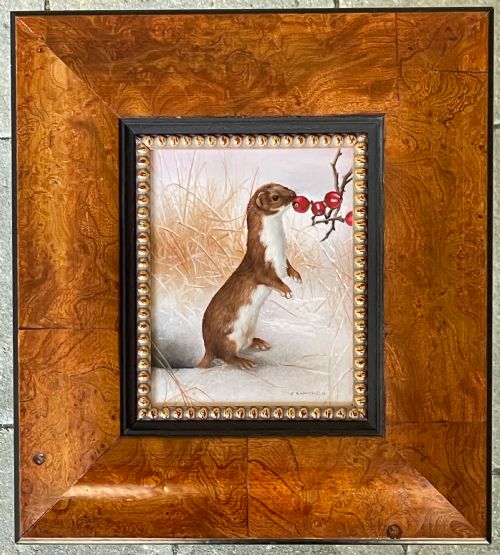
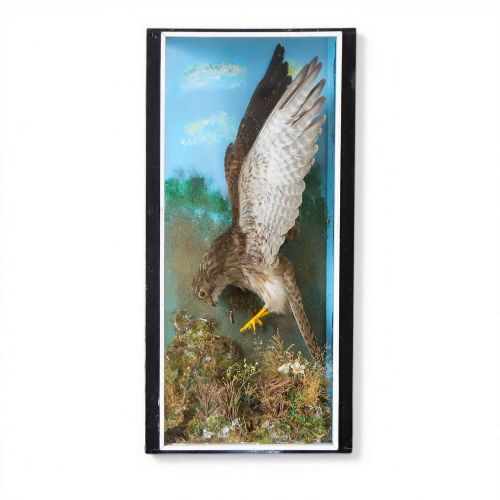
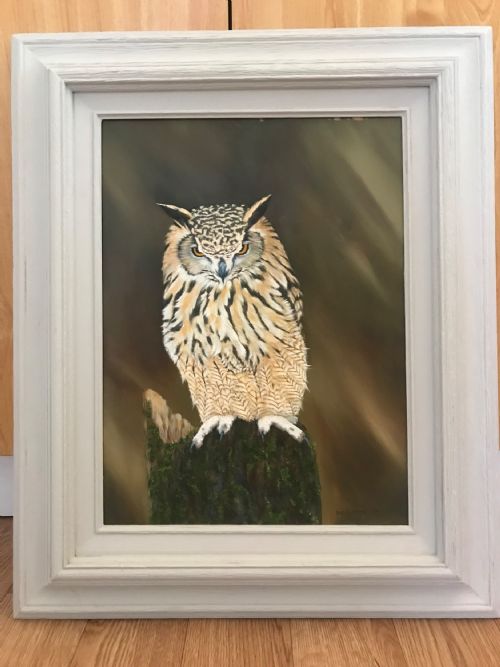
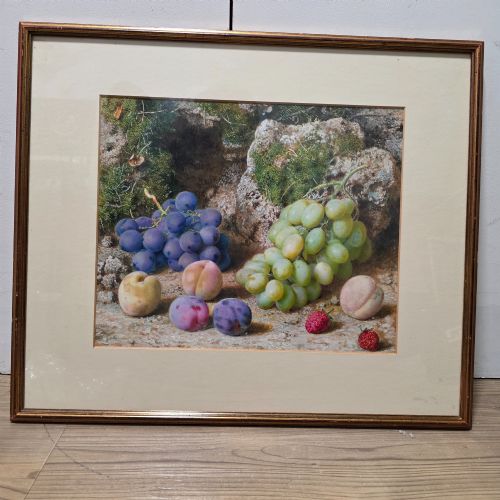
Natural history painting encompasses framed artworks and wall art created across the nineteenth and twentieth centuries, capturing fauna and flora with precision. Buyers seeking natural history painting encounter watercolours, oils and gouache depictions of birds, mammals and botanical studies.
Materials and Technique
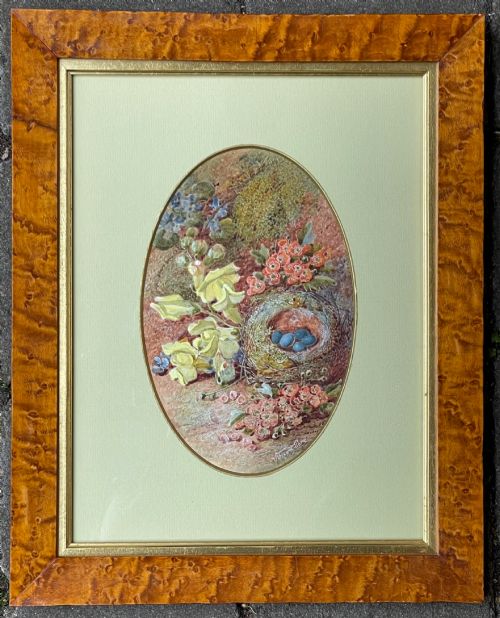
Artists record specimens primarily using watercolour or gouache on paper, alongside oil paint applied to canvas or wood panel. These mediums allow for fine brushwork necessary to render plumage, fur and botanical structures accurately.
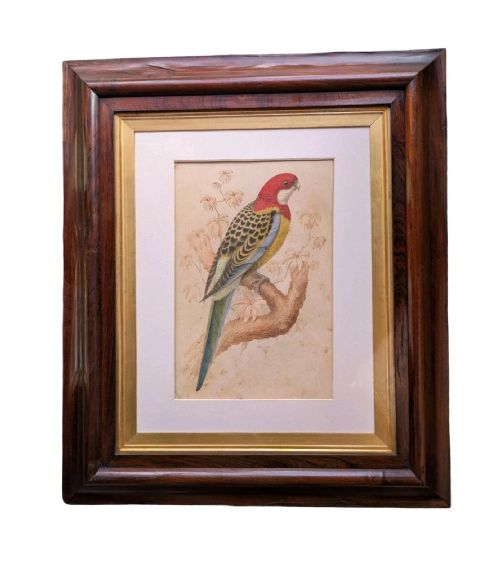
Works are frequently housed in period timber frames, sometimes with ebonised finishes and giltwood mounts that complement the detailed subject matter within.
Natural History Painting Retail Price Guide 2026
Typical asking prices for natural history painting among the pieces listed under this phrase on Sellingantiques today, from the lower quarter to the upper quarter. They describe what is for sale here now, not the wider market.
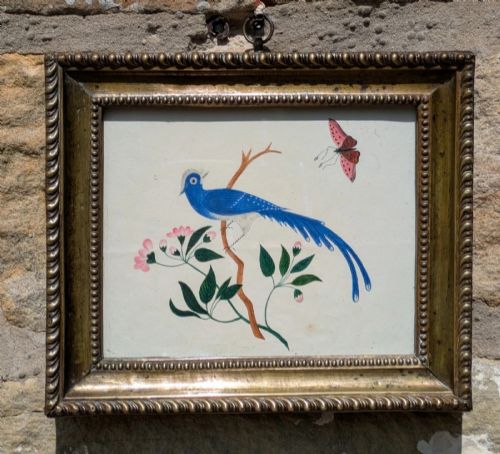
Listings feature works executed in oil paint, watercolour, gouache and pith paper across the nineteenth and twentieth centuries.
Quality and Execution
Quality rests upon the precision of anatomical observation and the dexterity of brushwork handling feather, fur or petal. Stronger examples display a keen understanding of natural form and posture rather than stiff depiction.
The vitality of pigment preservation over time and the harmony of the framing further distinguish finer works from standard decorative pieces.
Vincent Clare·Carl Whitfield·John Sherrin·Ralston Gudgeon·Charles F. Tunnicliffe·William Andrews Nesfield·Harry Bright·Philipp Ferdinand de Hamilton·Donald Watson·James Malcolm Stewart·William B. Hough·Cuthbert Edmund Swan·William Huggins
The Natural History Painting Glossary
- Gouache
- An opaque water-based medium that provides solid colour and sharp detail in botanical and animal studies.
- Pith painting
- Works executed on a delicate vegetable pith paper, often originating from China and depicting insects or flora.
- Botanical study
- An accurate scientific or artistic rendering of plant life focusing on structural details of flowers and leaves.
- Still life
- An arrangement of inanimate subject matter, such as fruit, nests or flowers, observed closely by the artist.
Natural History Painting: Frequently Asked Questions
What periods do these paintings cover?
The works span from the Regency era and the nineteenth century through to mid-century twentieth-century realism.
Pieces reflect shifting aesthetic movements, moving from Victorian naturalism towards later twentieth-century wildlife illustration.
How should I hang these artworks?
Most works are framed watercolours or oils on paper and panel, requiring protection from direct sunlight to preserve pigment.
Pairing smaller framed studies together creates a balanced display reminiscent of nineteenth-century cabinet arrangements.
Are these paintings scientifically accurate?
Many works derive from close observation of specimens, combining artistic skill with the precise detail required by natural historians.
Illustrators often worked alongside naturalists to record plumage, anatomy and botanical structures with fidelity.
What is the difference between watercolour and oil examples?
Watercolour and gouache on paper offer a delicate translucency well suited to bird studies and botanical illustrations under glass.
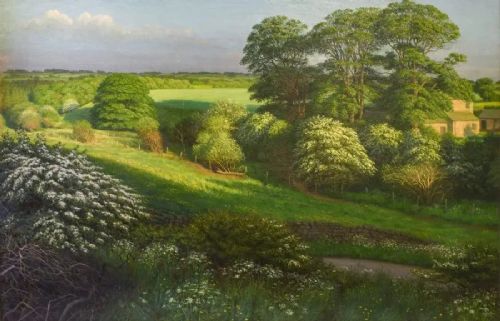
Oil paintings on canvas or wood panel provide richer textures and deeper tones, frequently seen in larger wildlife and animal scenes.