

Vintage Bird Wall Art
Vintage bird wall art brings together centuries of natural history illustration, textile craft and painting to animate a room.
Vintage Bird Wall Art
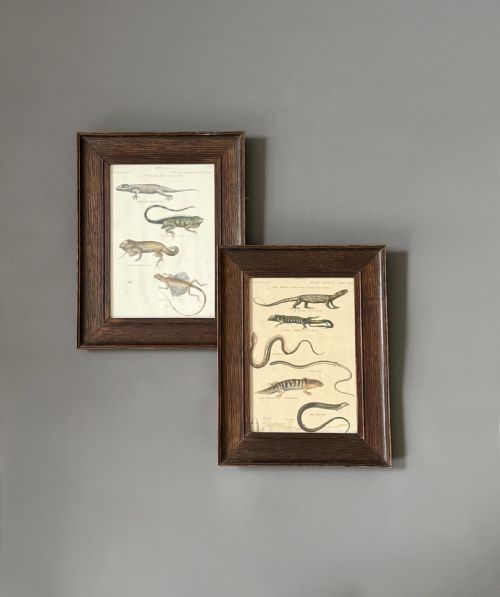
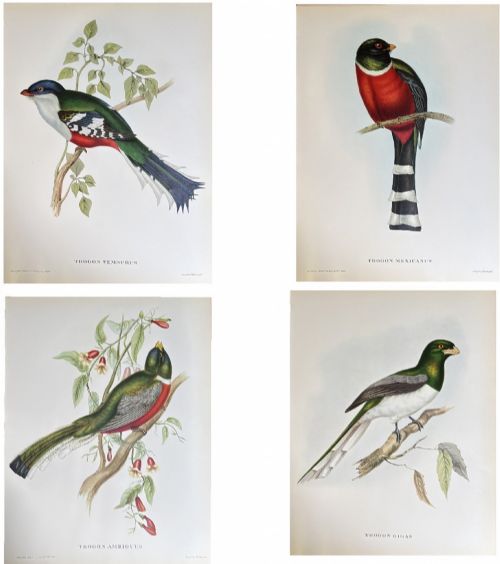
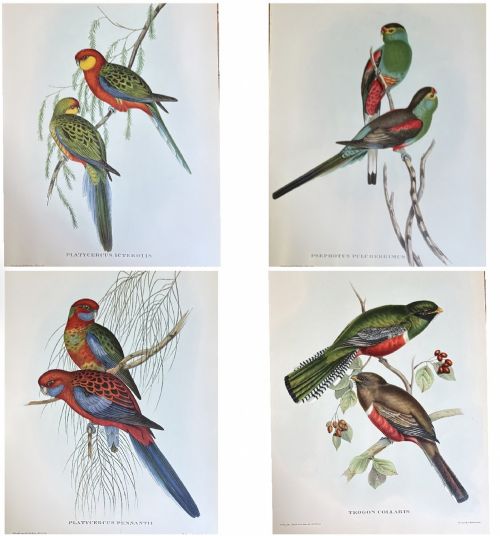
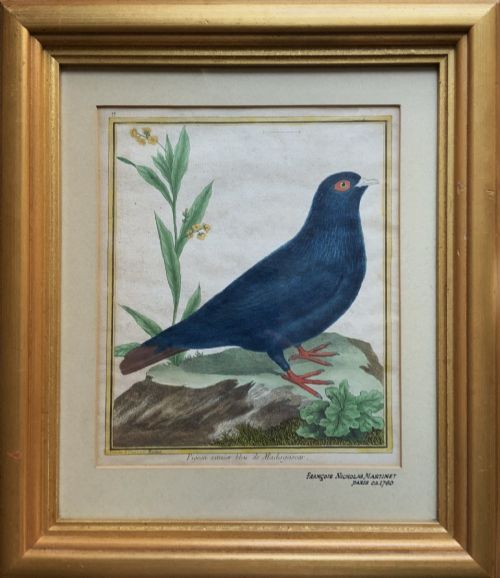
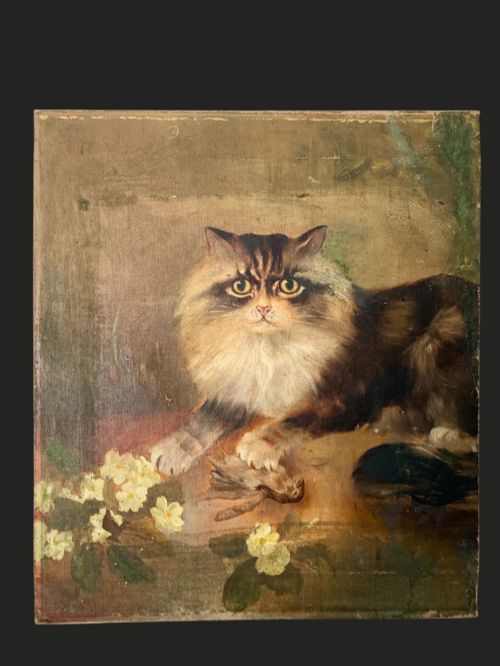
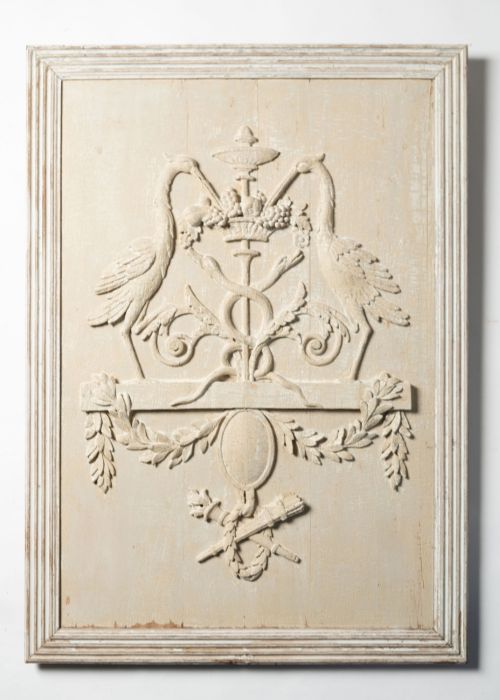
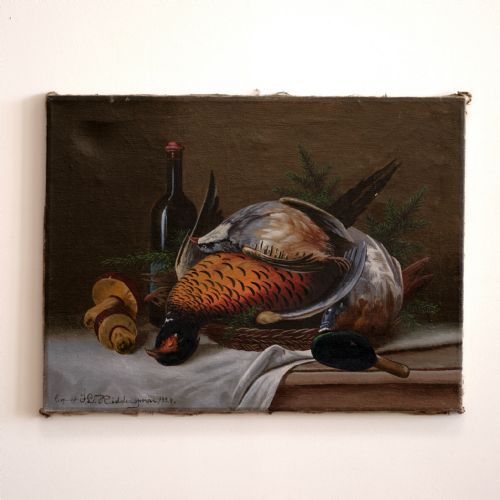
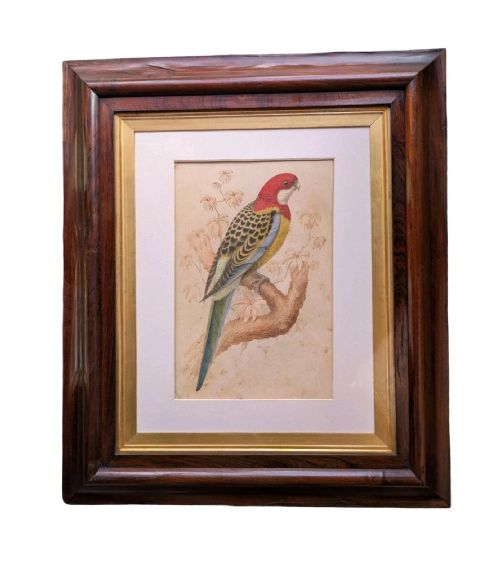
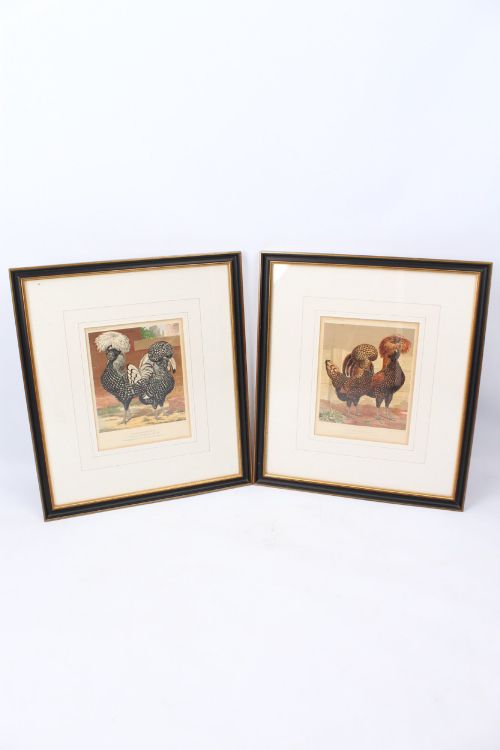
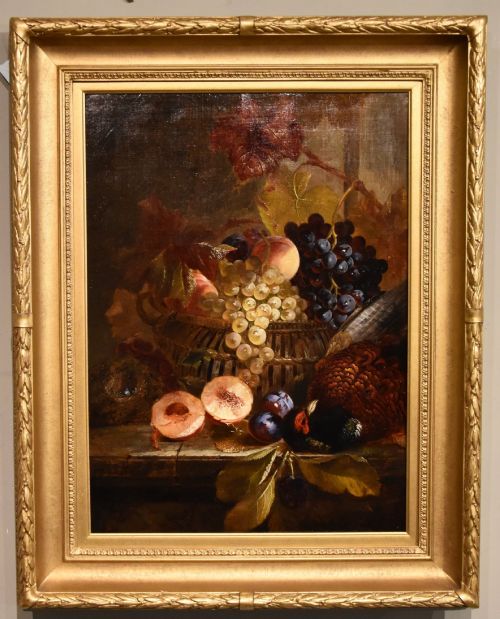
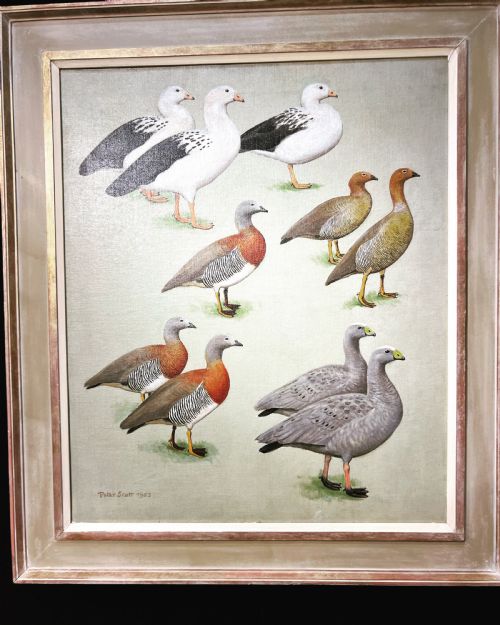
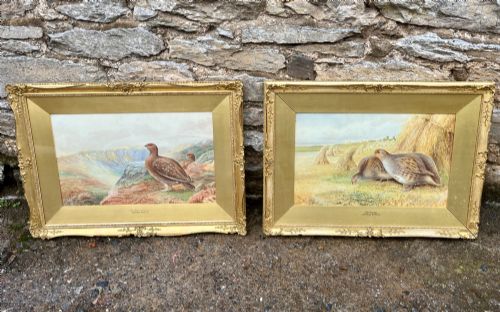
Vintage bird wall art encompasses framed engravings, watercolours, oils, embroideries and carved wood panels spanning from the eighteenth century into the mid-twentieth century. Natural history prints dominate the selection, often grouped in sets or presented as single framed specimens in period mounts.
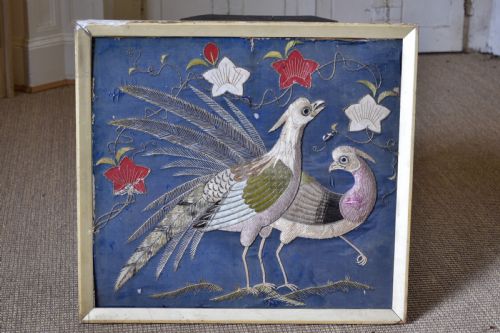
Buyers encounter works ranging from hand-coloured copperplate engravings by botanical illustrators to Victorian needlework and mid-century paintings. Japanese lacquer plaques and Chinese embroidered silk panels also appear, reflecting international trade and craftsmanship.
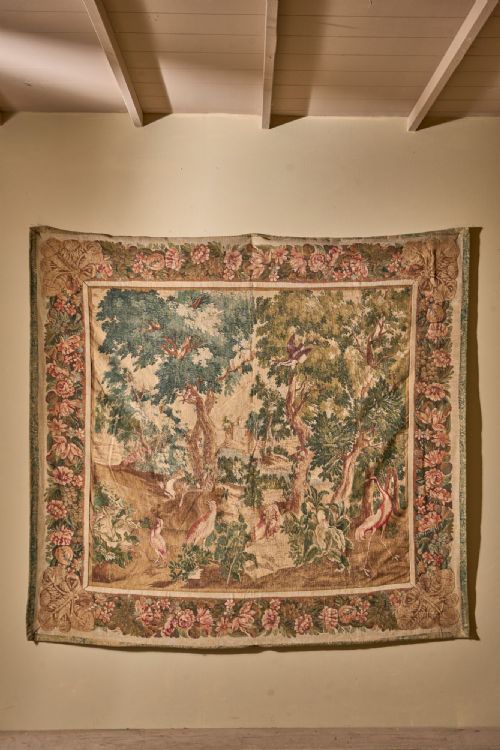
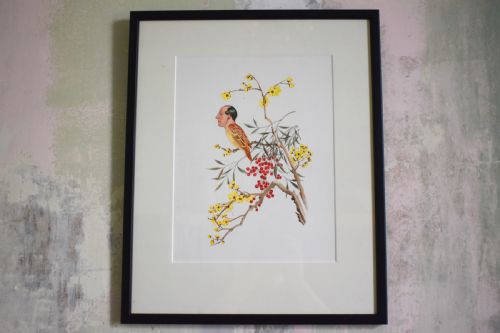
The aesthetic stretches from strict scientific recording to decorative Chinoiserie and expressive modern interpretations. Pieces appear in various formats including lithographs, wood carvings and woven tapestries.
Materials and techniques
Paper works rely on engraving, lithography and watercolour, frequently enhanced by hand colouring using early pigments. Textile examples employ silk, wool and cotton threads in needlepoint, embroidery and tapestry weaves.
Support structures include stretched canvas, wood panels, glass protection and giltwood frames. Lacquer work and mother-of-pearl inlay feature in Asian decorative panels.
Pigments span oil paint, watercolour wash and gold leaf accents applied to paper, silk or prepared board.
The listings span periods from the seventeenth century through the Victorian era to mid-century modern works in oil, watercolour, silk and carved wood.
Judging quality and execution
Quality rests upon the precision of the draughtsmanship, the vibrancy of surviving hand colouring and the original condition of the paper or textile. Fine botanical illustrations demonstrate meticulous anatomical accuracy in the rendering of plumage and beak structure.
Framing and mounting contribute significantly to the overall merit, with period ebonised frames and deep giltwood mounts elevating works on paper. Textiles depend upon the tightness of the stitch and the stability of the backing fabric.
The reputation of the artist or publisher provides a benchmark, alongside the preservation of original pigments without excessive fading or damp staining.
François-Nicolas Martinet·George Edwards·Ralston Gudgeon·Charles F. Tunnicliffe·George Rankin
The Vintage Bird Wall Art Glossary
- Lithography
- A printing technique using a flat stone or metal plate on which image areas are greased to repel water and accept ink. This method allowed mass production of detailed coloured prints during the nineteenth century.
- Engraving
- A process where an artist cuts lines into a metal plate with a sharp tool to hold ink for printing. Hand colouring was frequently applied afterwards to enhance natural history subjects.
- Verdure tapestry
- A woven wall hanging depicting a stylised landscape filled with foliage and often birds or animals. These French and Flemish panels date from the seventeenth century onwards.
- Needlepoint
- Embroidery stitched onto a stiff open-weave canvas ground to form dense pictorial designs. Victorian samplers and bird panels utilise this durable technique.
- Chinoiserie
- European artistic style reflecting Chinese motifs and decorative patterns. This style heavily influenced eighteenth and nineteenth-century lacquered panels and wall art.
Vintage Bird Wall Art: Frequently Asked Questions
How do I care for antique paper bird prints?
Keep paper works away from direct sunlight to prevent the fading of hand-coloured pigments and watercolours. Framing under glass with acid-free mounts protects the fragile paper from atmospheric moisture and dust.
Ensure pieces hang on interior walls where temperature and humidity fluctuations remain minimal. This prevents warping of the backing board and foxing spots on the paper.
Are textile bird panels fragile?
Historic embroideries and silk panels require gentle handling due to the natural degradation of older fibres and threads. Displaying them out of direct sunlight preserves the original dyes and prevents silk degradation.
Dust them very carefully with a soft brush rather than shaking or vacuuming. Professional framing with UV-filtering glass provides the best long-term protection.
How do I identify a hand-coloured engraving?
Examine the surface under a magnifying glass to look for the indentation left by the printing plate around the image border. Hand-applied watercolour wash will show subtle brush strokes and slight pooling within the engraved lines.
Printed colour typically appears as a dot matrix or uniform flat tone under magnification. Eighteenth-century natural history plates almost universally relied on hand application for colour.
Can I hang these pieces in a modern interior?
Natural history prints and textile panels adapt easily to contemporary spaces through simple, clean framing choices. Grouping a set of four bird prints creates a strong focal point on a plain wall.
Mix media such as wood carvings and watercolours to add texture alongside smooth painted surfaces. Period frames provide a historic contrast in minimalist rooms.