





Signed Victorian Painting
A signed victorian painting brings authentic nineteenth-century hand, eye, and brushwork directly into a room.
Signed Victorian Painting
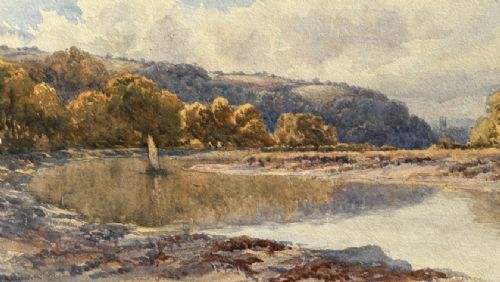
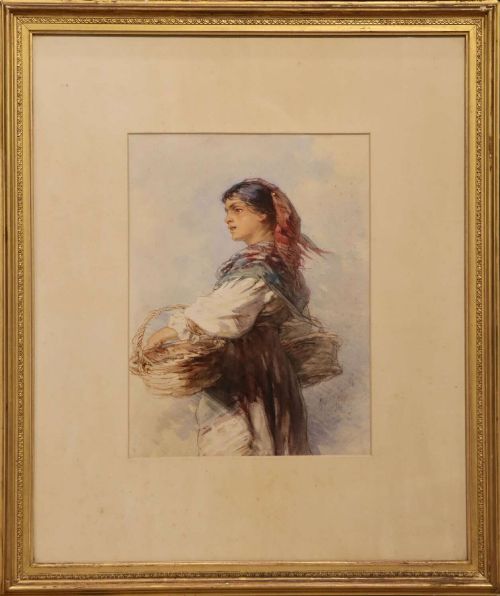
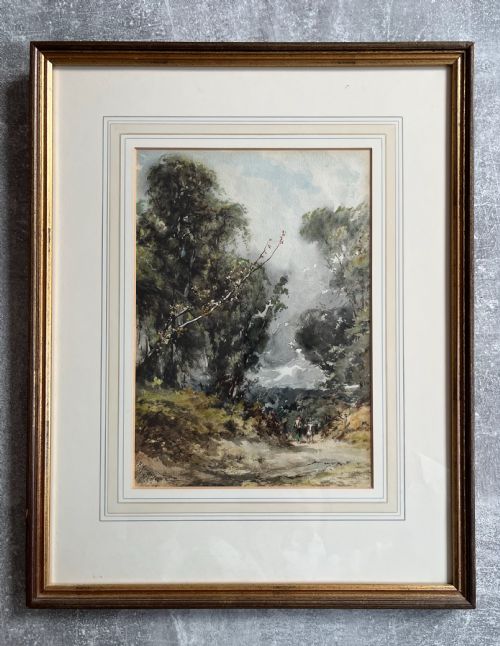
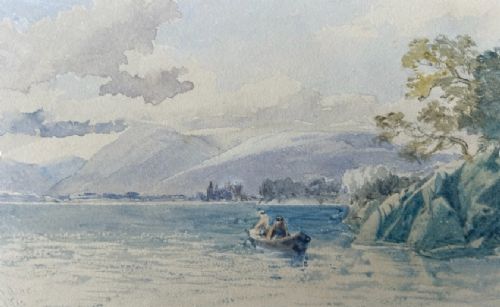
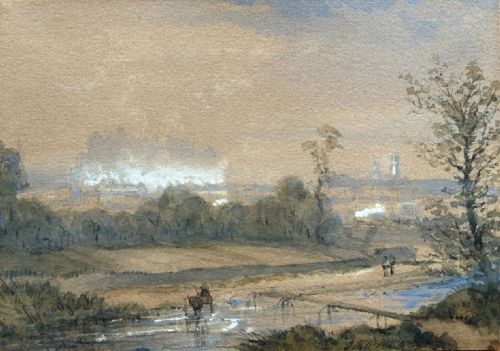
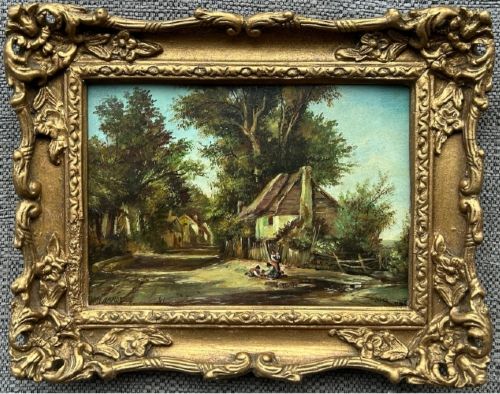
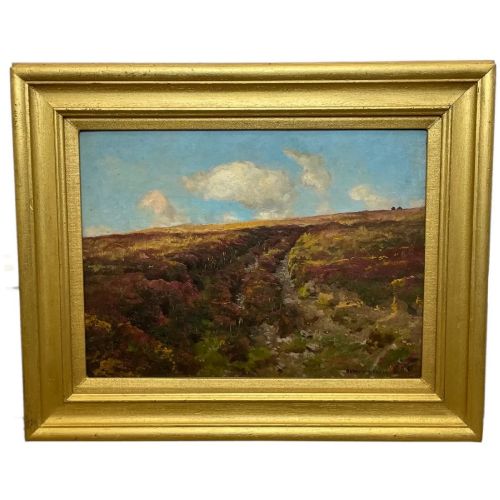
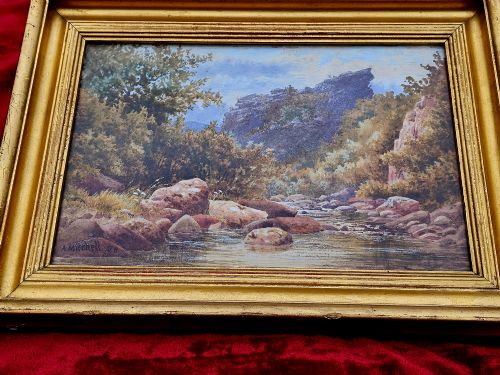
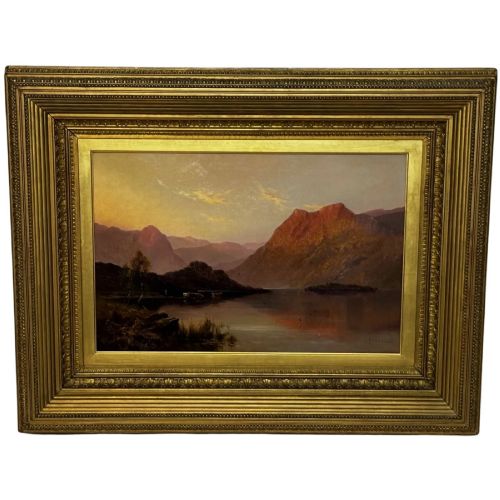
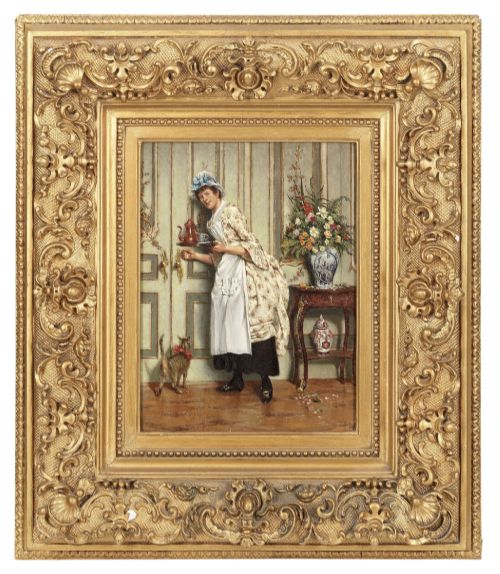
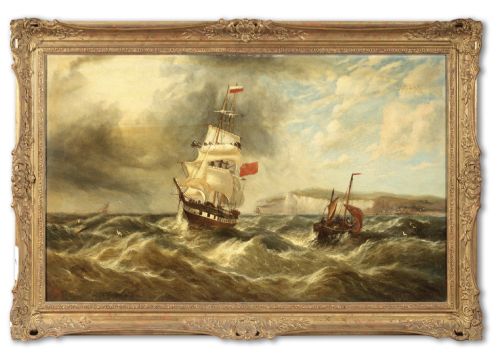
A signed victorian painting encompasses original works on canvas, panel, and paper executed across the nineteenth century and bearing the creator's hand or monogram. These pieces range from detailed coastal and river landscapes to intimate domestic interiors, portraits, and botanical studies.
Buyers encounter watercolours and oil paintings bearing signatures from named British and European artists working in realist, romantic, and naturalist traditions. The selection includes works dated from the mid-nineteenth century through to the early twentieth century.
These artworks reflect the diverse visual interests of the period, recording Scottish and English scenery, maritime scenes, and character studies. Each signed canvas or paper work offers a direct link to the studio practices of the era.
How they were made
Artists applied oil paint to stretched canvas, wooden panels, or milk glass, building depth through layered glazes and opaque brushwork. Watercolours were executed on heavy paper, often utilising gum arabic to enrich the pigment intensity.
Works were framed in giltwood or carved wooden surrounds that protected the delicate paint or paper surfaces. Signatures were brushed, inscribed, or monogrammed directly into the wet pigment or onto the lower margins of the paper.
The inventory records pieces dated from the 1840s through to the early 1920s.
What varies in quality
The standard of a signed victorian painting depends on the confidence of the brushwork, the handling of light, and the compositional balance of the scene. Master painters demonstrated superior command of anatomy, perspective, and atmospheric depth.
Condition also dictates standing, with undisturbed original surfaces, stable canvas tension, and minimal pigment flaking preserving the creator's intended effect. Contemporary or later framing choices further influence the overall integrity of the piece.
Thomas Miles Richardson Jnr·James Orrock·William Henry Earp·Arthur Wardle·Vittorio Reggianini
The Signed Victorian Painting Glossary
- Watercolour
- A painting method where fine pigment is suspended in a water-soluble binder applied to paper. It allows for translucent washes and delicate tonal gradation.
- Giltwood
- Carved wood coated with fine gold leaf or gilt gesso. It provides a reflective, ornamental border commonly found on period frames.
- Provenance
- The documented history of ownership surrounding an artwork. It traces the journey of a painting from the artist's studio to the current collection.
- Monogram
- A cipher or initials combined into a single graphic motif used by an artist in place of a full signature. These marks help identify the creator of the work.
- Glaze
- A thin, transparent layer of oil paint brushed over an opaque underlayer. This technique deepens colour saturation and introduces luminous optical effects.
Signed Victorian Painting: Frequently Asked Questions
How can I date a nineteenth-century painting?
Dating relies on visible artist signatures, inscribed dates, stylistic conventions, and framing materials. Examining the canvas weave and stretcher construction provides further chronological clues.
Secondary evidence such as old exhibition labels, tax stamps, or paper watermarks can narrow the creation window to a specific decade.
What is the difference between oil and watercolour works?
Oil paintings utilise pigment bound in drying oils applied to rigid panels or flexible canvas, offering rich texture and deep colour layering. Watercolours employ water-soluble pigments on paper, producing lighter, more translucent compositions.
Oils traditionally required protective varnish and heavy frames, whereas watercolours were mounted under glass to prevent moisture damage.
Where should I hang these paintings at home?
These artworks suit historic and contemporary interiors alike, provided they hang away from direct sunlight and damp conditions. Stable wall environments prevent the expansion and contraction of canvas or paper.
Pairing a framed work with gentle, ambient lighting highlights the varied brushwork and original gilt frames without risking heat damage.
What do artist monograms mean?
Monograms combine an artist's initials into a single intertwined or simplified mark, serving as a compact signature on smaller watercolours or oil sketches. They authenticated the finished composition while maintaining compositional balance.
Matching these ciphers against period exhibition records and artist directories helps confirm the identity of the creator.