

Antique Bird Painting
When you select an antique bird painting, you invite centuries of natural history and fine brushwork onto your walls.
Antique Bird Painting
An antique bird painting captures the delicate forms of feathers, nests and wings through centuries of artistic tradition. When you explore this selection, you encounter works spanning from the seventeenth century through to the early twentieth century.
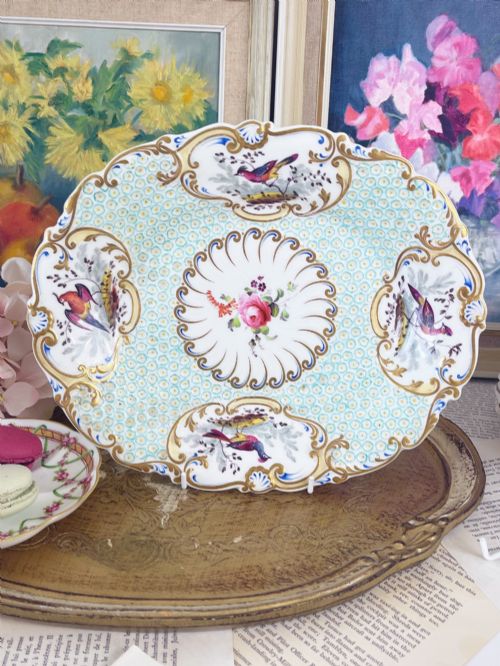
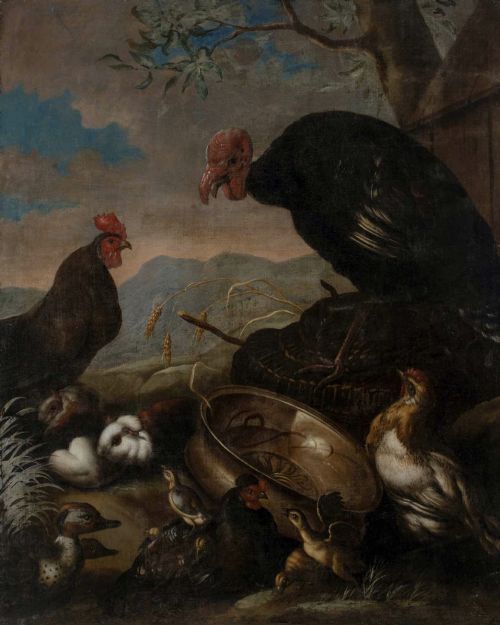
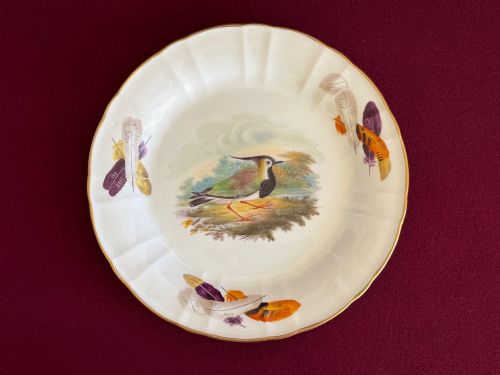
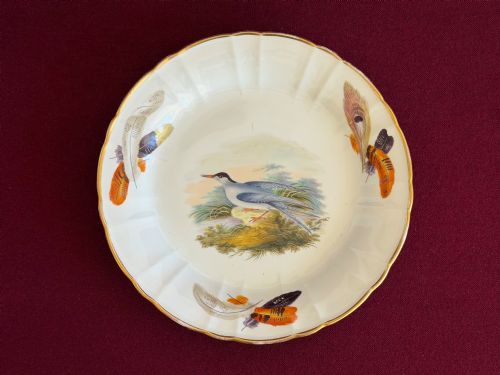
The category encompasses varied mediums beyond canvas and paper. You find oil paintings, watercolours, gouache on pith paper, and intricate porcelain or ceramic plates featuring hand-painted avian subjects.
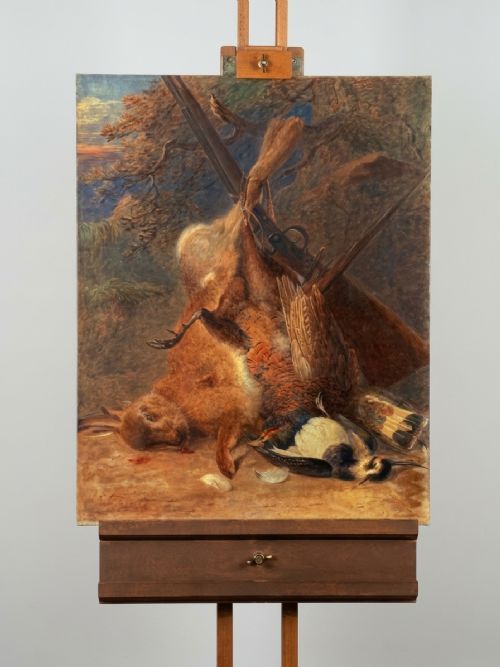
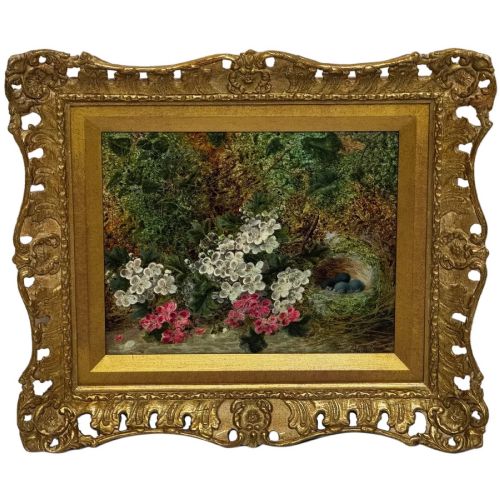
Subjects range from scientific naturalism and game birds in landscape settings to decorative still-life arrangements involving bird's nests and blossom branches.
How They Were Made
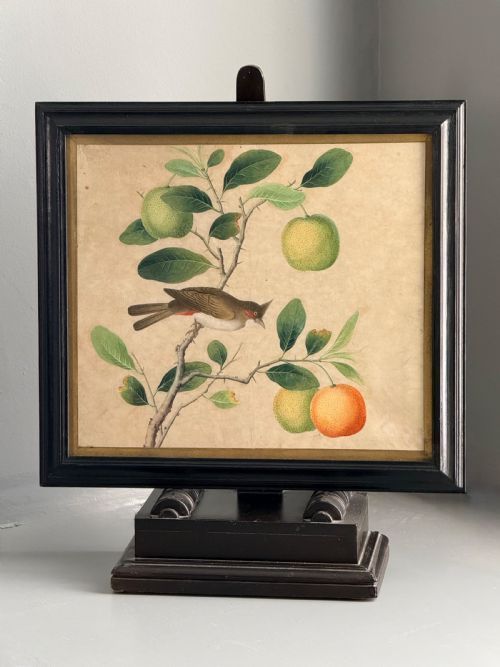
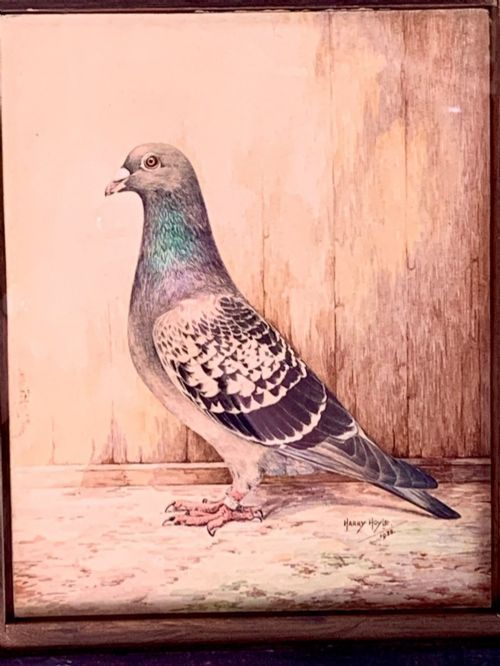
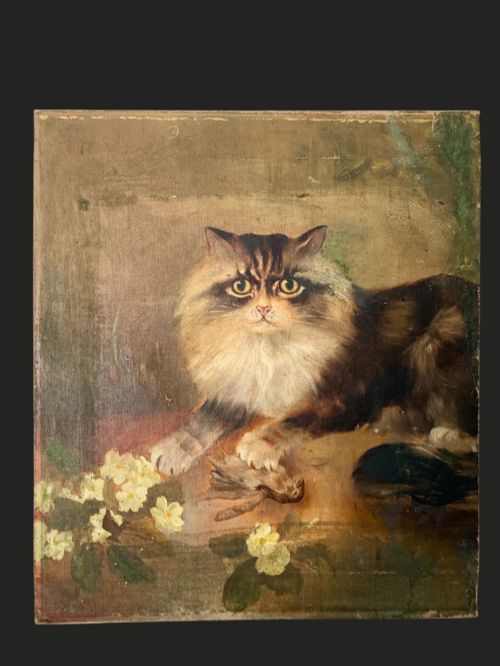
Artists utilised oil paint on canvas or wood panels, alongside watercolours and bodycolour on paper, to achieve fine detail in plumage. Gouache was applied to delicate pith paper for botanical and avian studies.
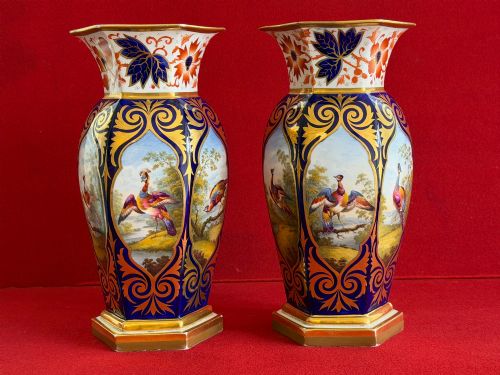
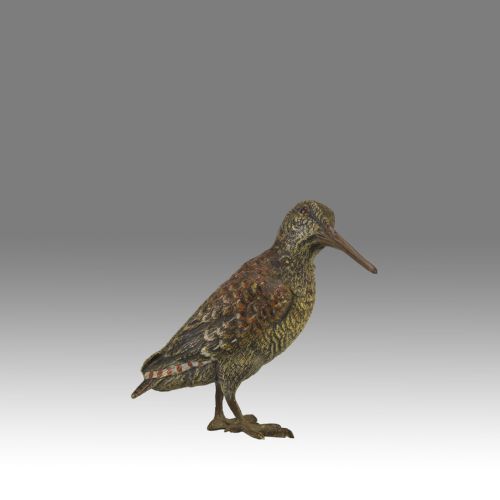
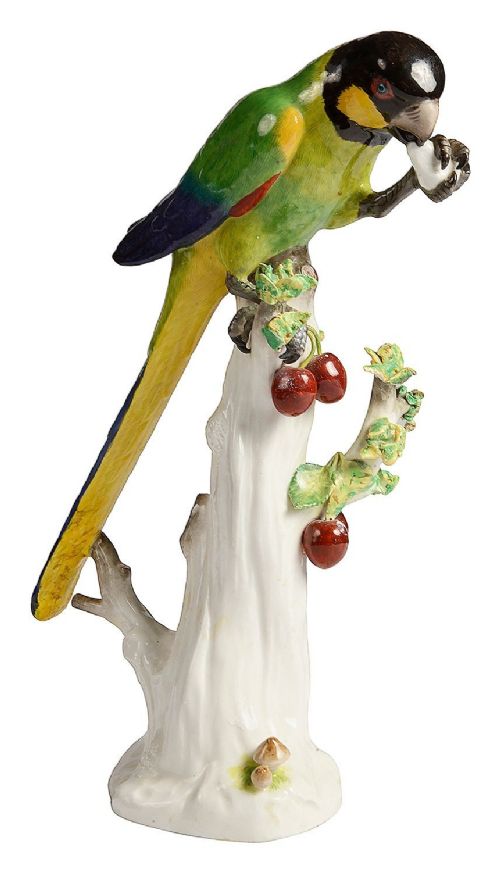
Ceramic pieces relied on porcelain or bone china bodies, decorated with hand-painted polychrome enamel pigments and finished with gilding. Bronze works employed cold-painting techniques over cast metal.
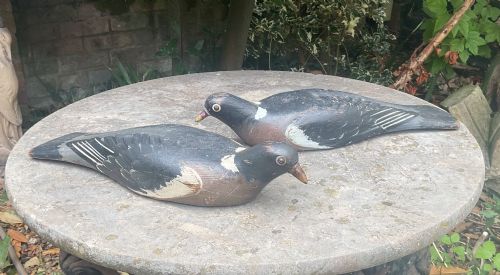
Several decoy pigeons and wooden ducks wait patiently on this page, having retired from the field to join the art collection.
What Varies in Quality
The finesse of the brushwork distinguishes finer works from standard decorative pieces, particularly in the rendering of light on feathers and botanical accuracy in foliage. Hand-painted ceramic plates and porcelain vessels show greater variation depending on the precision of the enamel work.
The preservation of the ground material, whether paper, canvas or porcelain, influences the integrity of the piece over time. Original framing, such as period maple frames, adds historical context to works on paper.
Flight Barr And Barr·H And R Daniel·Franz Bergman·Meissen·KPM Berlin
The Antique Bird Painting Glossary
- Gouache
- An opaque watercolour paint consisting of natural pigment, water, and a binding agent such as gum arabic. It dries to a smooth, matte finish that allows for dense colour application.
- Pith paper
- A delicate material prepared from the cellular pith of the Tetrapanax papyrifer plant, historically used in China for watercolour and gouache paintings.
- Cold-painted bronze
- A sculpture method where the bronze object is painted with cold enamel paints rather than being fired in a kiln. This technique was favoured for small animal figures.
- Polychrome
- Decorated or printed in several colours. On porcelain and ceramics, it describes multi-coloured hand-painted enamel designs.
- Bodycolour
- Watercolour paint mixed with a white pigment to render it opaque. It provides highlights and solidity to watercolour paintings.
Antique Bird Painting: Frequently Asked Questions
How do I care for watercolour bird paintings?
Keep watercolours away from direct sunlight to prevent the pigments and paper from fading over time.
Ensure they are framed behind glass with acid-free mounts to protect the delicate paper from atmospheric moisture.
What subjects are common in these paintings?
Common subjects include detailed studies of individual songbirds, game birds within landscape settings, and still-life arrangements featuring nests with eggs.
Exotic species and waterfowl also appear frequently across both European canvases and Chinese watercolour scrolls.
How do I identify porcelain bird plates?
Examine the base of the porcelain for factory marks, pattern names, or painted numbers that indicate the pottery of origin.
Hand-painted enamel details often show subtle brush texture under magnification, distinguishing them from printed transfers.
Where were painted bird boxes used?
Painted wooden boxes served as decorative storage items or snuff boxes within domestic interiors.
Folk art examples often feature hand-painted avian motifs applied to turned or carved wooden surfaces.