



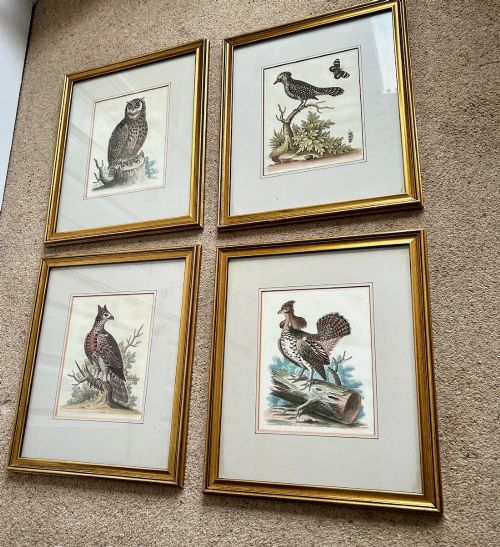

Gilt Frame Bird Picture
A gilt frame bird picture captures natural history and delicate avian subjects within gilded wooden borders across various historic periods.
Gilt Frame Bird Picture
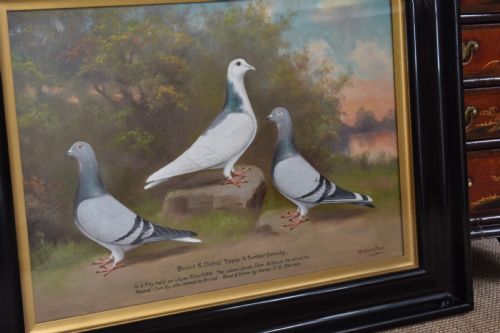
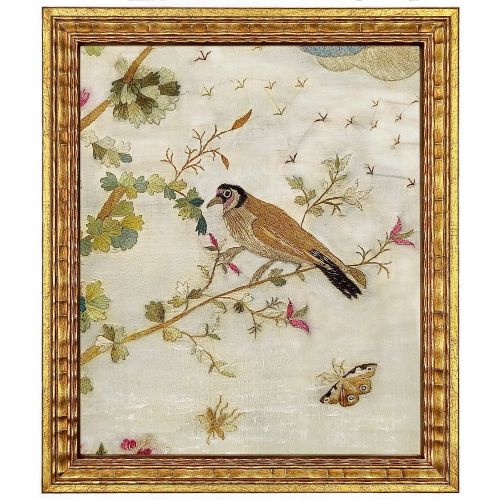
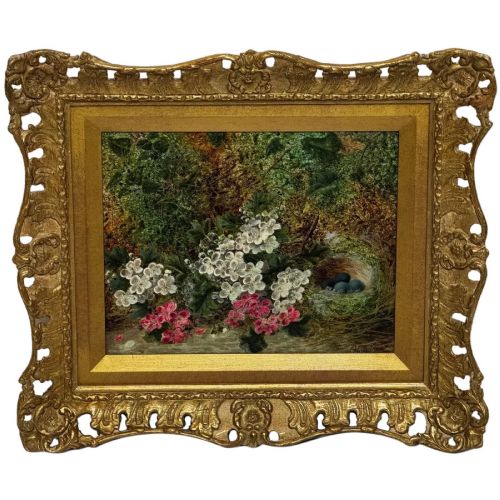
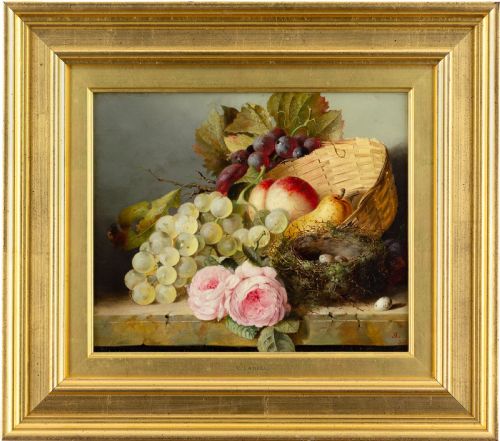
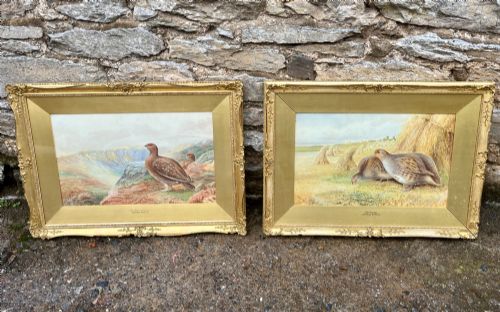
A gilt frame bird picture brings together avian subjects and ornate gold leaf or gilt wood surrounds. These pieces emerge across the eighteenth century, Regency, and nineteenth century eras, taking the form of watercolours, oil paintings, engravings, and embroidered silk works.
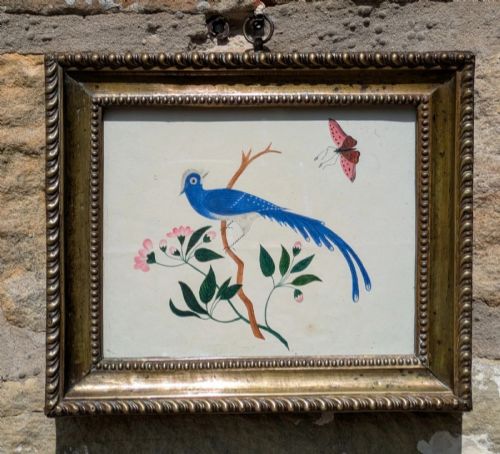
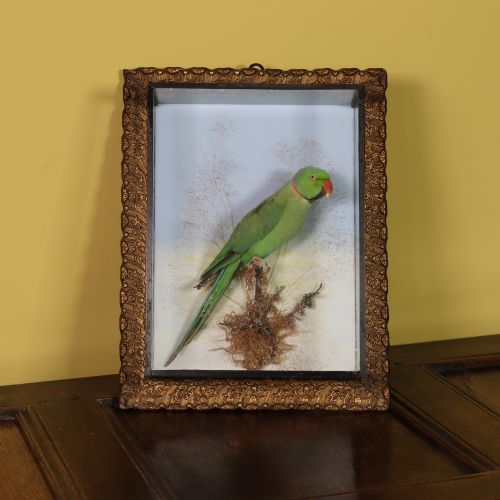
Buyers encounter diverse stylistic interpretations, from Regency watercolours of exotic blue birds to Victorian natural history studies and Edwardian prints. The selection spans framed artwork, taxidermy cases, and delicate needlework depictions.
The combination of feathered subjects and reflective gilded moulding unites natural history appreciation with decorative wall art. Such items serve as focused records of ornithological interest through different centuries of British and European craft.
Materials and construction methods
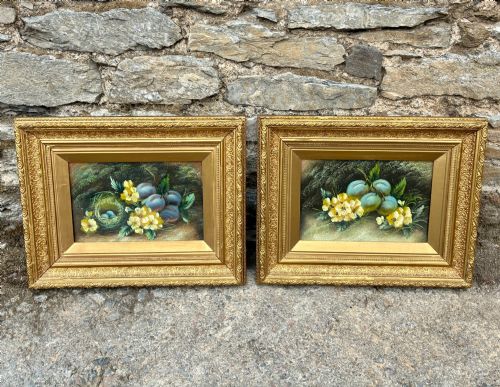
Makers housed these works within wooden frames finished in gold leaf or gilt, sometimes paired with ebonised borders or maple wood. The internal artistry relies on paper, board, silk, and glass to protect delicate watercolours, oils, and engravings.
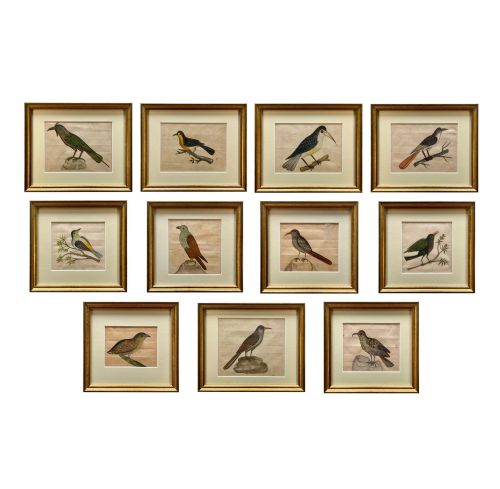
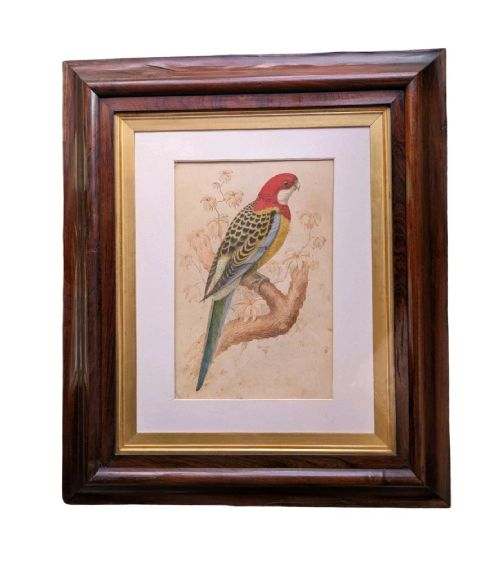
Techniques range from hand-coloured lithography and fine oil painting on board to detailed needlework and embroidered silk pictures. Taxidermy examples incorporate structured picture frame cases to mount three-dimensional avian specimens safely.
Gilt Frame Bird Picture Retail Price Guide 2026
Typical asking prices for gilt frame bird picture among the pieces listed under this phrase on Sellingantiques today, from the lower quarter to the upper quarter. They describe what is for sale here now, not the wider market.
Several birds manage to look profoundly unimpressed by the artists who immortalised them in gold leaf.
Assessing quality in historical bird imagery
Quality rests in the fidelity of the avian depiction and the preservation of the surrounding materials. Masterful brushwork in oil or precise hand-colouring on engravings separates standard decorative prints from accomplished fine art.
The integrity of the gilt wood frame contributes significantly to the overall merit of the piece. Intricately carved moulding that retains its original gold leaf enhances the historical presence of the artwork.
Andrew Beer·Oliver Clare·Edward Ladell·William Bazeley and Sons·George Rankin·George Edwards·Harry Bright·William Swainson
The Gilt Frame Bird Picture Glossary
- Gilt wood
- Wood coated with a thin layer of gold leaf or metallic gilt powder. This finish adds a reflective warmth that highlights the framed artwork.
- Lithograph
- A print made from a flat stone or metal plate using a process that relies on the repulsion of oil and water. Hand-coloured variants appear frequently in nineteenth century natural history.
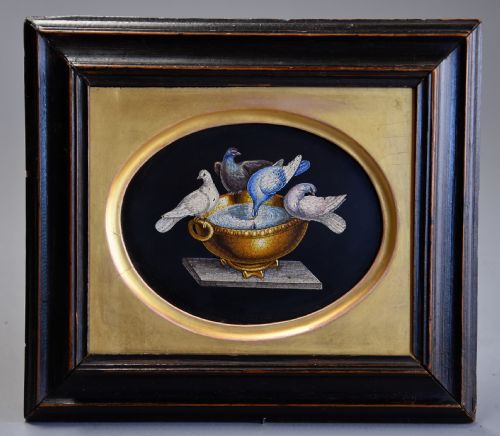
- Micromosaic
- A meticulous craft using tiny glass tesserae to form detailed pictorial scenes. These plaques often appear mounted within dark or ebonised frames.
- Embroidered silk
- Textile art created by stitching fine silk threads onto a fabric backing. Eighteenth and nineteenth century makers utilised this technique for decorative avian compositions.
Gilt Frame Bird Picture: Frequently Asked Questions
What periods do these pictures come from?
The pieces span several distinct historical eras, including the eighteenth century, the Regency period, and the nineteenth century. Victorian and Edwardian examples also feature prominently among these natural history works.
Craftsmanship reflects the aesthetic preferences of each respective decade, shifting from Georgian engraving techniques to detailed Victorian watercolours and taxidermy display cases.
How were these framed works displayed originally?
Historical interiors relied on these framed avian pieces to bring elements of natural history into domestic reception rooms and studies. They functioned as both scientific records and decorative wall art.
The addition of gilt wood frames allowed the pictures to catch ambient candlelight or natural daylight, elevating their visual impact within period homes.
How do I distinguish watercolours from engravings?
Watercolours show direct brush application of pigment onto paper or board, offering unique hand-painted textures and subtle colour gradations. Engravings display uniform printed lines and dot patterns created by inked metal plates.
Many nineteenth century prints received subsequent hand-colouring, which can be identified by examining the pigment under magnification to spot the underlying printed matrix.
What care do antique gilt frames require?
Gilt frames benefit from gentle dusting with a soft, dry brush to prevent particulate accumulation on the delicate gold leaf surface. Moisture and chemical cleaners must be avoided entirely to protect the historic finish.
Placement away from direct sunlight and damp environments ensures the wood substrate and the internal artwork remain stable over time.