



Natural History Watercolour Print
These natural history watercolour print pieces capture delicate botanical and avian subjects on paper, offering collectors a direct link to historical observation and fine illustration.
Natural History Watercolour Print
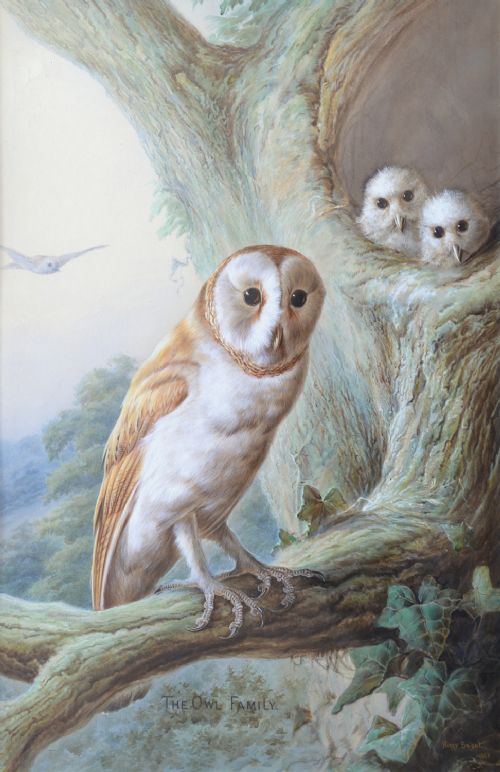
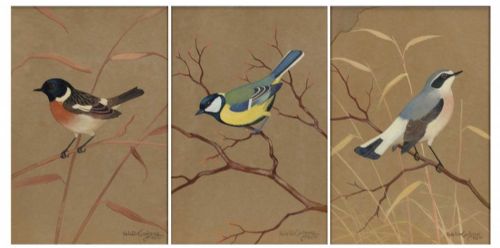
When you search for a natural history watercolour print, you encounter hand-painted and framed works depicting birds, plants, and natural subjects. These pieces capture detailed studies of wildlife, ranging from individual garden birds to exotic parrots and botanical primroses.
The selections available here span multiple eras, including Georgian, Victorian, Edwardian, and mid-century periods. You will frequently find framed paintings and wall art rendered with precise pigment and gouache on paper.
Subjects range from British garden birds like thrushes and lapwings to Australian parrots and kookaburras. Many examples are presented in period frames, including ebonised timber with deep giltwood mounts.
How they were made
Artists executed these works primarily using watercolour pigment, gouache, and watercolour paint applied directly onto paper substrates. This combination allowed for both translucent washes and opaque highlights to define the plumage of birds and the texture of foliage.
Works are typically preserved behind glass and housed within wooden or gilt wood frames. Ebonising techniques were often applied to wooden frames to provide a dark contrast that highlights the colours within the painting.
Natural History Watercolour Print Retail Price Guide 2026
Typical asking prices for natural history watercolour print among the pieces listed under this phrase on Sellingantiques today, from the lower quarter to the upper quarter. They describe what is for sale here now, not the wider market.
Several artists meticulously recorded the exact personality of individual cockerels and parrots.
What varies in quality
The precision of the brushwork and the anatomical accuracy of the subject distinguish finer works from simpler decorative pieces. Masterful handling of watercolour pigment creates depth and luminosity in feathers and petals.
The integrity of the original mounting and framing contributes significantly to the character of the piece. Period frames with deep giltwood mounts and original glass complement the age and visual weight of the artwork.
Ralston Gudgeon·M Simpson·Charles F Tunnicliffe·R Lauritsch·Robin Hill·John Sherrin·Paul-Louis Barruel
The Natural History Watercolour Print Glossary
- Gouache
- An opaque watercolour paint that includes a white pigment filler, creating a heavier, matte finish used for highlights.
- Ebonised
- Wood treated with a chemical or stain to imitate ebony, providing a deep black finish popular in period framing.
- Giltwood
- Wood carved and coated with gold leaf or gold paint, frequently used for interior mountings and ornate frames.
- Pigment
- The finely ground natural or synthetic coloured powder that forms the base of watercolour and gouache paints.
Natural History Watercolour Print: Frequently Asked Questions
How do I date a watercolour?
Dating relies on the paper type, framing style, and stylistic conventions of the depicted subject. Signatures and inscriptions on the reverse often provide further context.
Period frames and mounting techniques also offer reliable clues to the era in which the artwork was produced.
Are these works hand painted?
The pieces listed as watercolours are original hand-painted works executed with pigments on paper. Artists utilised brushwork rather than mechanical reproduction methods.
Close inspection under magnification reveals individual brushstrokes and the texture of the dried pigment.
How should I display them?
Protect these works from direct sunlight to prevent the watercolour pigments from fading over time. Maintaining stable indoor humidity levels preserves both the paper and the wooden frames.
Display them on interior walls away from direct heat sources to ensure long-term preservation.
What subjects are most common?
Avian subjects dominate these natural history works, featuring British garden birds, waterfowl, and exotic parrots. Botanical studies and nests on mossy banks also appear frequently.
Artists focused on ornithological accuracy alongside aesthetic composition.