

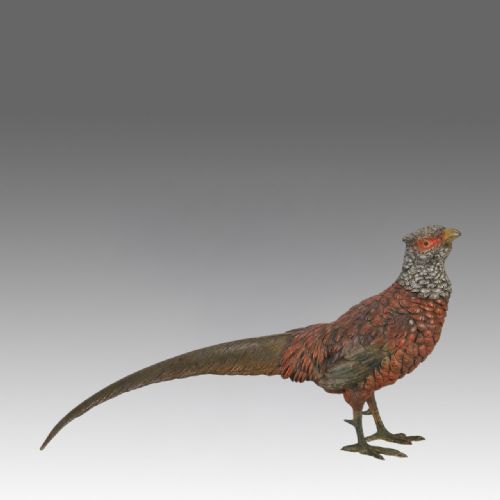


Early 20th Century Bird Painting
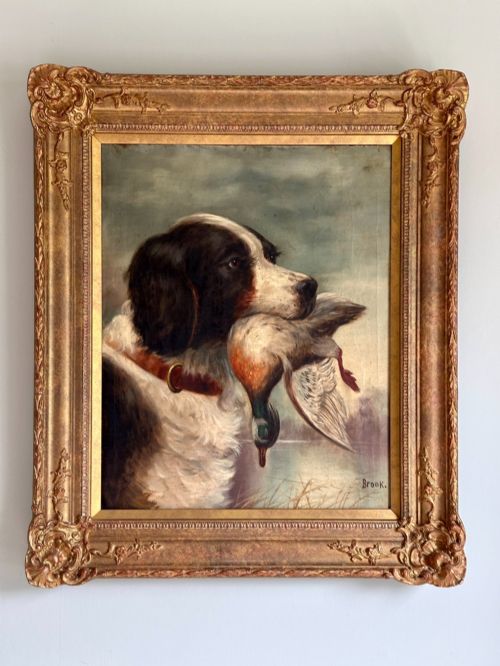
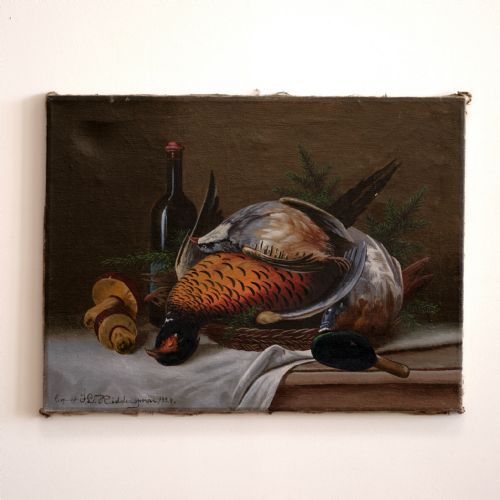
An early 20th century bird painting brings the natural world indoors through delicate brushwork and rich colour.
Early 20th Century Bird Painting
An early 20th century bird painting captures avian subjects across various media, including oil on canvas, watercolour, and silk painting. These works range from detailed natural history studies to decorative compositions featuring birds among foliage.
What varies in quality
Quality rests in the naturalism of the drawing and the sureness of the brushwork used to define the plumage. Stronger examples show acute observation of the bird's posture and character rather than generic rendering.
The survival of the original surface condition dictates the appeal of each work. Unfaded pigments and clean supports elevate a piece above one showing extensive pigment loss or water staining.
Early 20th Century Bird Painting Retail Price Guide 2026
Typical asking prices for early 20th century bird painting among the pieces listed under this phrase on Sellingantiques today, from the lower quarter to the upper quarter. They describe what is for sale here now, not the wider market.
Paintings span British traditions alongside Chinese school watercolours featuring birds and flowering branches.
Franz Bergman·E H Windred·Victor Noble Rainbird
The Early 20th Century Bird Painting Glossary
- Watercolour
- A paint consisting of pigment suspended in a water-based solution. It is typically applied to paper or silk to achieve translucent effects.
- Oil paint
- A slow-drying paint made with pigment particles suspended in a drying oil. This medium allows for rich colour saturation and textured brushwork.
- Polychrome paint
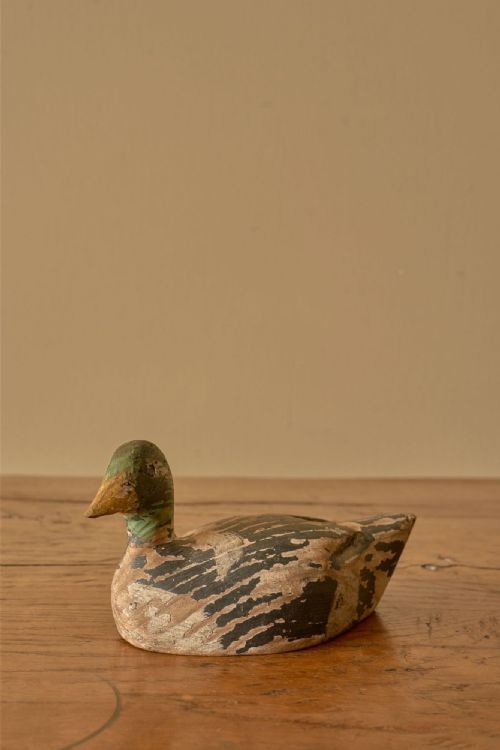
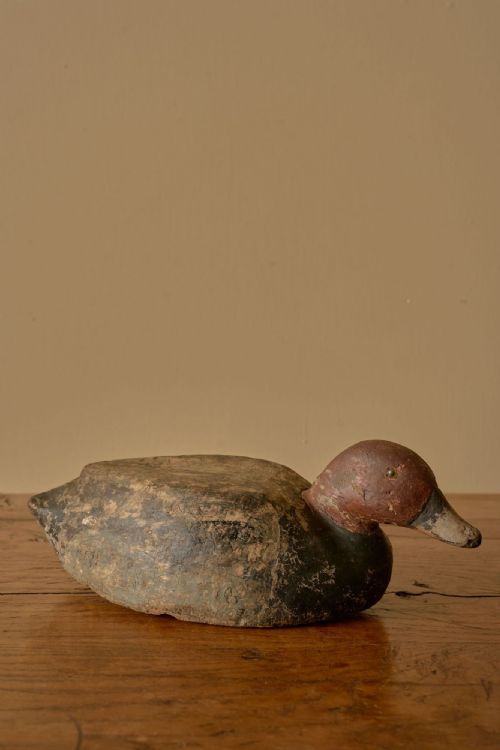
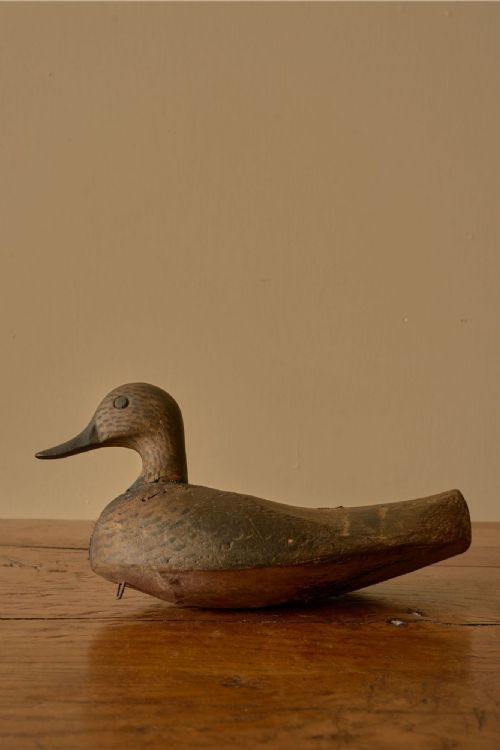
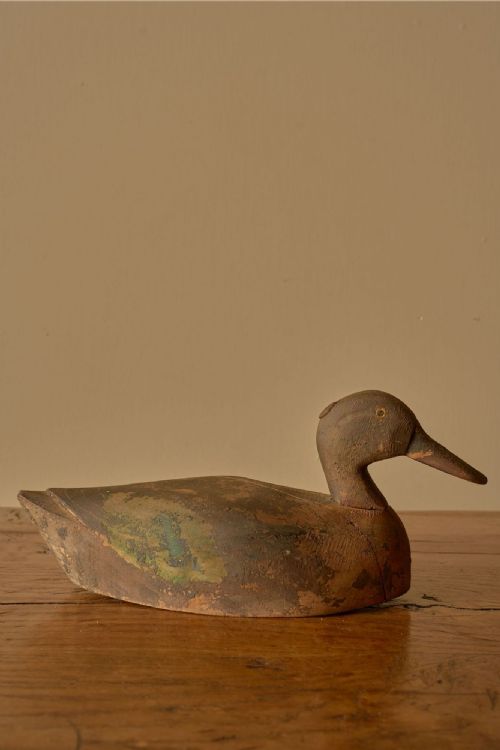
- Decoration executed in multiple colours. It is frequently found on carved wooden decoys and decorative objects.
- Hanging scroll
- A traditional format for East Asian painting mounted on fabric edges for suspension. It allows the artwork to be rolled up for storage.
Early 20th Century Bird Painting: Frequently Asked Questions
How should I hang a silk painting?
Silk paintings require careful placement away from direct sunlight to prevent the delicate fabric and pigments from fading over time.
Mount them in environments with stable humidity levels to protect the organic materials from warping or degrading.
Are these paintings signed by the artist?
Some works bear signatures or inscriptions from the artists who created them, while others remain unsigned.
Unsigned pieces rely on the strength of their technique and period characteristics for attribution.
What is the difference between canvas and silk works?
Canvas supports heavier applications of oil paint and offers a textured, opaque finish suitable for traditional Western framing.
Silk provides a smooth, luminous background that interacts with watercolour or ink to create delicate, translucent effects.
How do I care for painted wooden decoys?
Keep painted wooden objects away from excessive heat sources and sudden temperature shifts to prevent the wood from cracking.
Dust the surfaces gently with a soft, dry cloth without applying liquid cleaners or polishes.