


Antique Ornithological Study
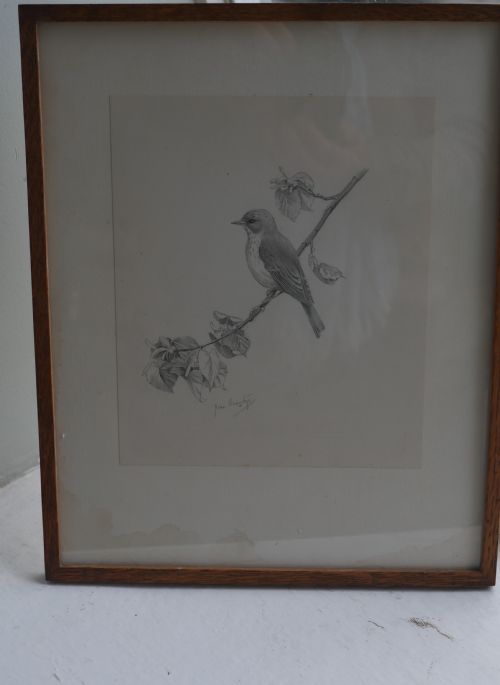
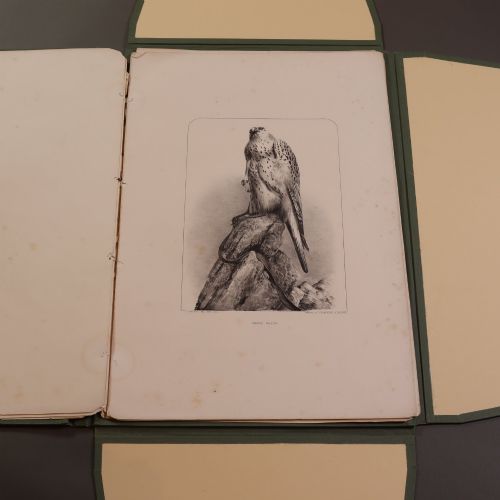
An antique ornithological study captures the feather, form and watchful eye of a bird through period watercolour, engraving or porcelain.
Antique Ornithological Study
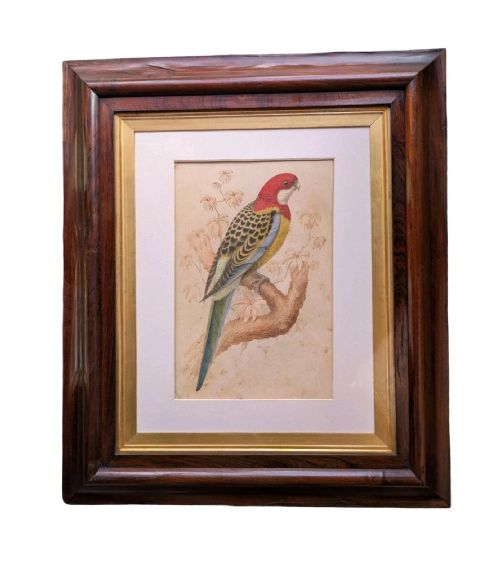
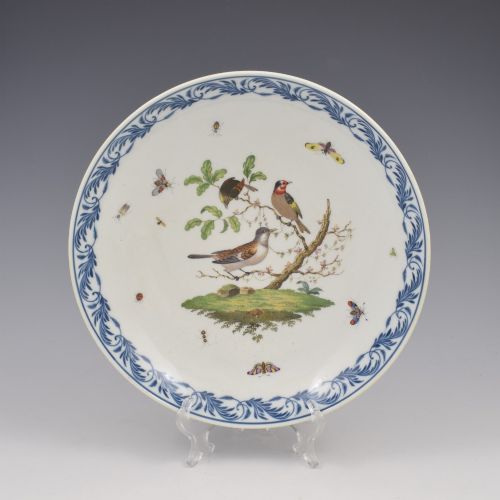
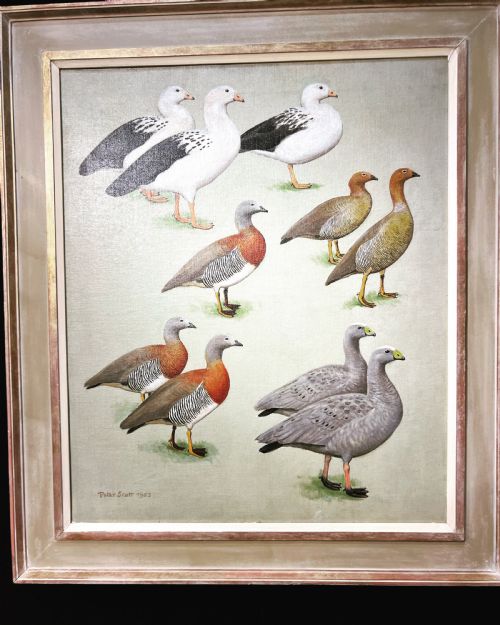
An antique ornithological study brings the observation of bird life into domestic spaces through detailed works on paper, framed paintings and decorative plates. When searching for this phrase, collectors encounter Victorian watercolours, Georgian dessert dishes and mid-century British art depicting garden birds, parrots and game.
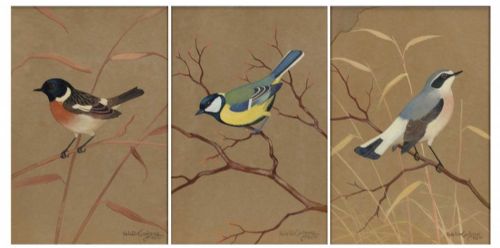
The selection ranges from Victorian natural history studies in ebonised frames to sets of watercolours by named artists and porcelain plates from European factories. These objects reflect centuries of naturalism, capturing both scientific precision and artistic interpretation in depiction.
How they were made
The physical objects combine paper, watercolour paint and ink, often mounted within wood frames with gilt accents or glass protection. Artists utilised fine brushes to render plumage and anatomical detail on paper substrates, whilst ceramic pieces employed painted porcelain techniques.
Framing choices in the selection often feature ebonised wood and deep giltwood mounts designed to isolate and elevate the paper studies. These materials support the preservation of delicate pigments against light and atmospheric change.
Artists occasionally captured notoriously grumpy-looking lapwings and macaws with expressions more suited to Victorian society than the aviary.
What varies in quality
Quality rests upon the precision of the rendering and the naturalism captured in the bird's posture and feather detail. Works by established natural history artists demonstrate superior handling of watercolour paint and ink compared to anonymous student pieces.
The condition of the paper surface, the presence of original framing materials, and the clarity of attribution to a known hand influence the standing of an individual study. Porcelain dishes depend on the crispness of the transfer and hand-painted enamel colours.
Meissen Porcelain·John Hancock·William Andrews Nesfield·Harry Bright·Arthur Wardle·William Swainson·Paul-Louis Barruel·Ralston Gudgeon·Sir Peter Markham Scott
The Antique Ornithological Study Glossary
- Watercolour
- A painting method where fine pigment is suspended in a water-based solution on paper. This medium allows for translucent washes that capture the softness of bird plumage.
- Ebonised
- Wood treated to resemble expensive ebony, commonly utilised for Victorian picture frames. This dark finish creates a strong visual contrast against light paper mounts.
- Giltwood
- Wood carved and covered with thin gold leaf or gilt preparation, often forming decorative inner mounts for framing. It provides a warm border that draws the eye inward to the artwork.
- Engraving
- A printmaking technique where an image is incised into a metal plate to hold ink for transfer. This method produced sharp lines suitable for scientific bird illustration.
- Naturalism
- An artistic movement focused on the accurate depiction of the natural world without idealisation. In these studies, it manifests as faithful rendering of avian anatomy and plumage.
Antique Ornithological Study: Frequently Asked Questions
What is an antique ornithological study?
An antique ornithological study is a period artwork, print or painted porcelain piece depicting birds for scientific or aesthetic purposes.
These items range from Victorian watercolours on paper to engraved plates and decorative dishes from the nineteenth and twentieth centuries.
How should I hang these pieces?
Framed paper studies require placement away from direct sunlight to protect delicate watercolour pigments from fading over time.
Pairing works with ebonised frames and gilt mounts creates a cohesive display that reflects their nineteenth-century origins.
Are these pieces signed by artists?
Some pieces in the selection bear the signatures or attributions of notable natural history artists and painters.
Others remain unattributed examples of English or European school naturalism from the Victorian and Georgian periods.
What materials were used?
The physical components primarily include paper, watercolour paint, ink and glass set within wood and gilt frames.
Certain examples utilise porcelain as a canvas for hand-painted bird studies intended for display or dessert service.