


Victorian Ornithology Art
Victorian ornithology art brings nineteenth century natural history into the home through detailed watercolours, hand coloured lithographs, and framed engravings of birds.
Victorian Ornithology Art
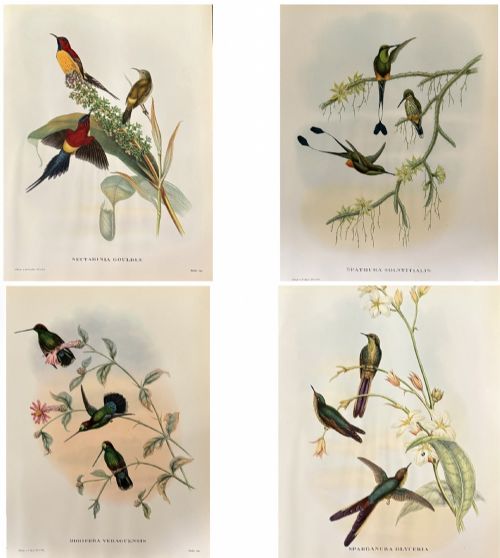
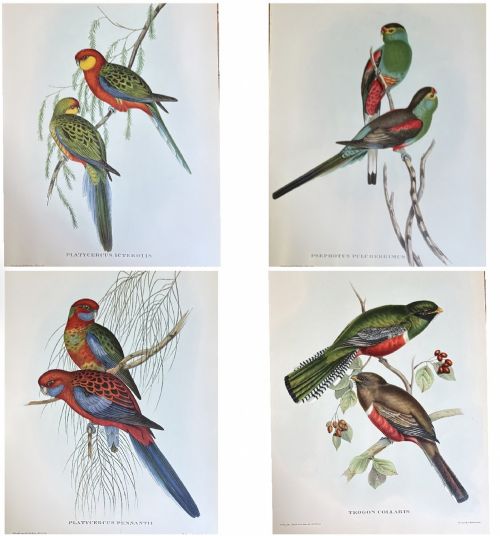
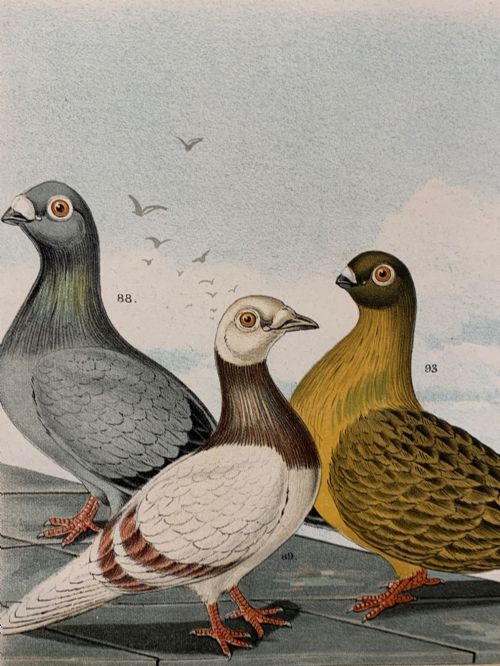
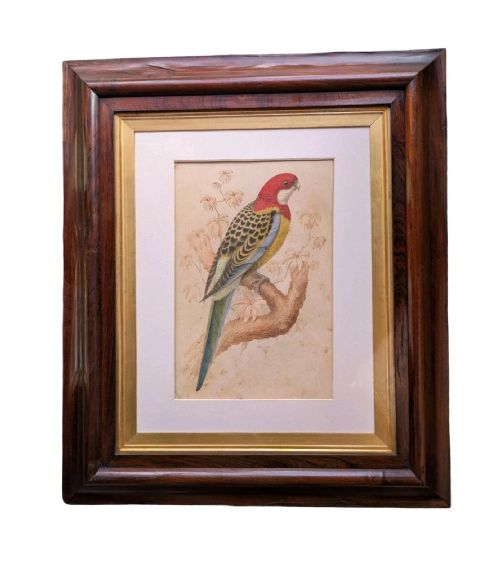
When you search for Victorian ornithology art, you encounter a specialised selection of nineteenth century wall art focusing on bird species. These works range from single watercolours in ebonised frames to sets of lithographs and engravings depicting tropical birds, pigeons, and British wildlife.
The most common examples on this page include framed prints and lithographs produced during the Victorian period and later twentieth century reproductions of earlier natural history illustrations. Pieces span from detailed studies of parrots and macaws to water fowl and finches.
Collectors find works originating from the nineteenth century alongside later impressions, capturing the period dedication to ornithological study. Each piece reflects the nineteenth century scientific interest in accurate natural history depiction combined with decorative wall display.
Materials and Techniques
These works rely primarily on paper supports finished with watercolour, ink, or lithographic printing processes. Many pieces incorporate hand colouring applied over engraved or lithographed lines to achieve realistic plumage tones.
Framing materials reflect the period aesthetic, utilising wood, ebonised finishes, and deep giltwood mounts or gold leaf accents. Glass protection preserves the delicate paper and watercolour surfaces from environmental damage.
Reproduction sets from the mid twentieth century utilise paper prints to capture the appearance of original nineteenth century plates. Original period pieces employ traditional ink work and watercolour paints on paper, mounted within antique frames.
Listings feature paper, glass, wood, ink, watercolour, gold leaf, and gilt across the nineteenth and twentieth centuries.
Assessing Quality
Quality in these ornithology pieces depends heavily on the precision of the draughtsmanship and the delicacy of the hand colouring. Finer works display meticulous attention to anatomical detail in the feathers and accurate rendering of natural postures.
The choice of framing contributes significantly to the overall presence of the piece, with deep giltwood mounts and period ebonised wood enhancing the artwork. Original nineteenth century works by named artists or illustrators generally command greater interest than later mass-produced sets.
William Andrews Nesfield·Harry Bright·William Swainson·Edward Lear
The Victorian Ornithology Art Glossary
- Lithograph
- A print made by drawing an image on limestone or a metal plate with a greasy substance so the ink adheres only to the drawn areas. This technique allowed for the mass production of detailed bird illustrations in the nineteenth century.
- Engraving
- A print created by cutting lines into a metal plate with a sharp tool to hold the ink. Engraved bird plates often received subsequent hand colouring with watercolour.
- Ebonised frame
- Wood finished to resemble ebony, frequently used for framing nineteenth century watercolours and prints. This dark finish provides a strong contrast against gilt mounts and colourful bird plumage.
- Giltwood mount
- A decorative framing border finished with gold leaf or metallic gold paint. It adds depth and brightness around antique prints and paintings.
Victorian Ornithology Art: Frequently Asked Questions
What is Victorian ornithology art?
Victorian ornithology art comprises nineteenth century illustrations, paintings, and prints focused on the study and depiction of birds. These works combine scientific observation with decorative appeal.
Items range from original watercolours by named artists to hand coloured lithographs published in natural history volumes.
How were these bird prints displayed?
Historically, bird illustrations were bound in scientific folios or mounted individually for study and wall display. Many surviving examples now appear in frames with gilt mounts.
Original framing often reflects the Victorian preference for dark wood and contrasting gold accents.
Are these pieces original or reproductions?
The selection includes both original nineteenth century watercolours and engravings alongside twentieth century print sets reproducing earlier plates. Each listing specifies the period of creation.
Examining the paper stock, printing method, and framing helps determine the age of the piece.
How should I care for antique bird watercolours?
Watercolours and paper prints require protection from direct sunlight to prevent the fading of delicate pigments. Maintaining stable indoor humidity prevents paper degradation.
Displaying pieces behind protective glass shields the fragile medium from atmospheric pollutants and physical damage.