


Antique Zoological Prints
Antique zoological prints are detailed historical animal illustrations on paper that bring the precision of early natural history directly to your walls.
Antique Zoological Prints
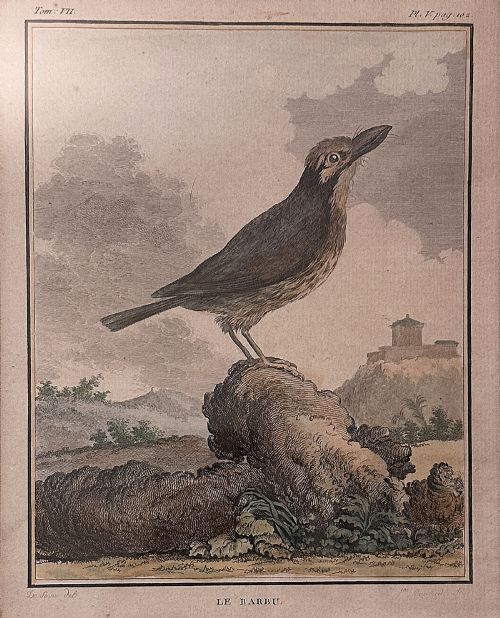
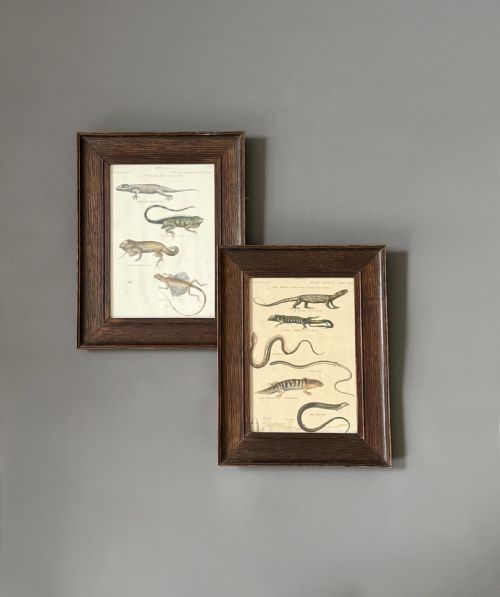
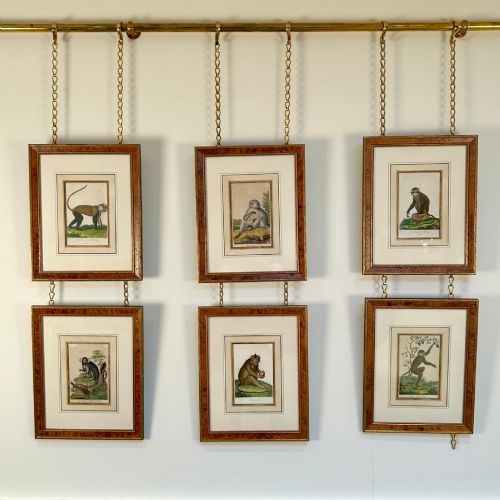
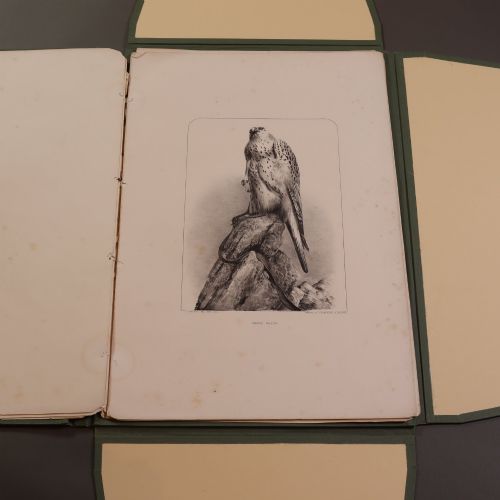
Antique zoological prints encompass historical animal illustrations, ranging from reptiles and monkeys to birds and rhinoceros skeletons. These works capture scientific observation through artistic mediums like hand-coloured engravings on paper.
The selections available here span the eighteenth and nineteenth centuries, including Georgian and Victorian periods. Buyers frequently encounter framed prints and framed art showcasing subjects like serpents, dogs, and exotic mammals.
Originating from significant natural history publications and portfolios, these pieces often appear in matched pairs or small sets. They reflect the period fascination with classification and the natural world.
Materials and production methods
These works are printed primarily on paper using engraved plates, which provide the fine, crisp lines characteristic of period plates. Artisans then applied watercolour by hand to bring vibrancy and life to the printed subjects.
Framing materials reflect the period aesthetic, utilising wood, burr wood, glass, and occasional touches of gold leaf or brass. Cloth backing and mounts also appear to preserve and present the fragile paper works.
Materials recorded across these listings include paper, glass, wood, gold leaf, watercolour, burr wood, brass, and cloth.
Assessing quality in historical prints
Quality rests significantly on the precision of the original engraving and the finesse of any hand-applied watercolour. Finer examples display meticulous anatomical detail and balanced composition.
The integrity of the paper and the preservation of the original tones distinguish superior pieces. Original period framing using materials like burr wood or gold leaf further elevates the stature of a piece.
William Bird MD FLS·John Hancock·Buffon·Bernhard Siegfried·William Swainson·Audebert
The Antique Zoological Prints Glossary
- Engraving
- A printmaking technique where an image is incised onto a metal plate, holding ink to create fine, precise lines on paper. This method allows for exceptional anatomical detail in scientific illustration.
- Hand Coloured
- The process of applying pigments or watercolour by hand to a printed monochrome image. This adds realistic hues to feathers, fur, and scales.
- Mount
- A cardboard or paper border placed around a print inside the frame. It separates the paper from the glass to prevent moisture damage.
- Georgian
- The period spanning the reigns of the four Georges, noted in these prints for restrained elegance and scientific curiosity. It precedes the Victorian era.
- Victorian
- The period of Queen Victoria's reign, characterised in natural history by a surge in systematic classification and domestic display.
Antique Zoological Prints: Frequently Asked Questions
How do I date an antique print?
Dating relies on the paper stock, printing technique, plate marks, and stylistic clues within the engraving. Accompanying typographic text or publisher imprints often provide definitive clues.
Comparison with documented natural history publications from periods such as the eighteenth or nineteenth century helps narrow the decade of production.
Are these prints original to their stated period?
The pieces listed originate from the historical periods indicated, utilising period paper and printing plates. They represent authentic historical artefacts rather than modern reproductions.
Examining the ink, paper degradation, and plate impressions confirms the age and origin of each individual artwork.
How should I frame and display them?
Display prints away from direct sunlight to prevent the watercolour pigments and paper from fading over time. Acid-free mounts protect the paper from chemical breakdown.
Keeping them behind protective glass shields the delicate surface from dust and ambient household humidity.
Why do some prints feature hand colouring?
Publishers employed colourists to paint monochrome engravings by hand to make the scientific subjects more lifelike and visually appealing. This technique was standard practice for high-end natural history folios.
The skill of the colourist directly influences the visual depth and character of each individual sheet.