




Late 18th Century Portrait
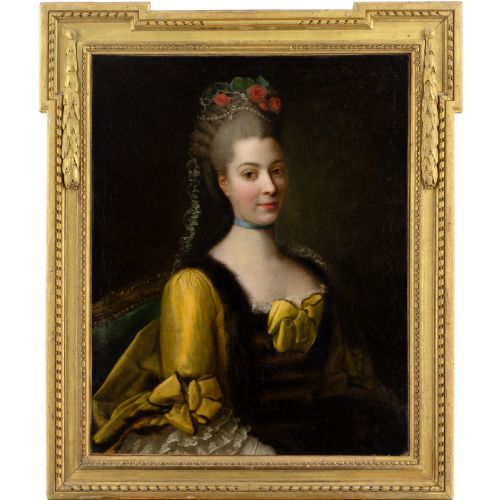
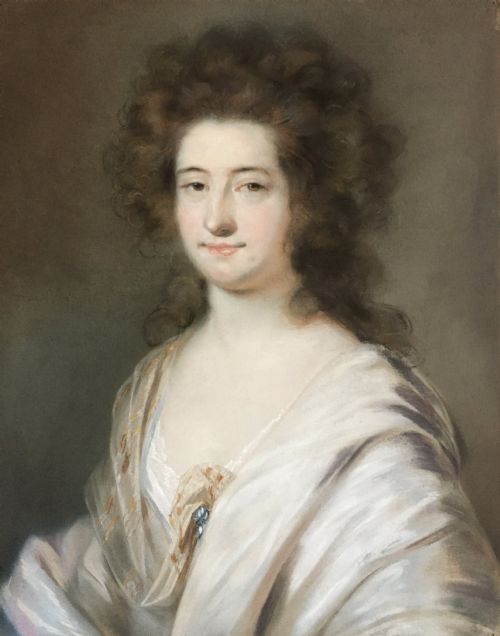
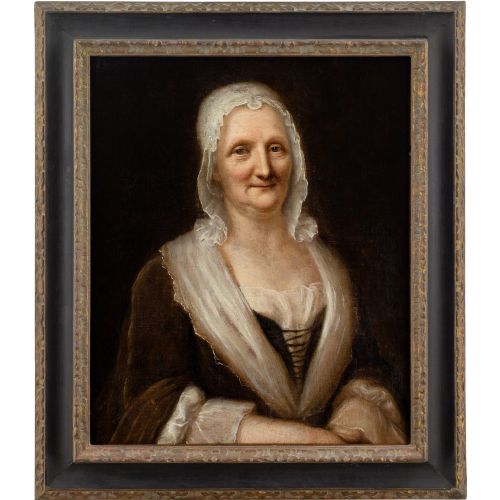
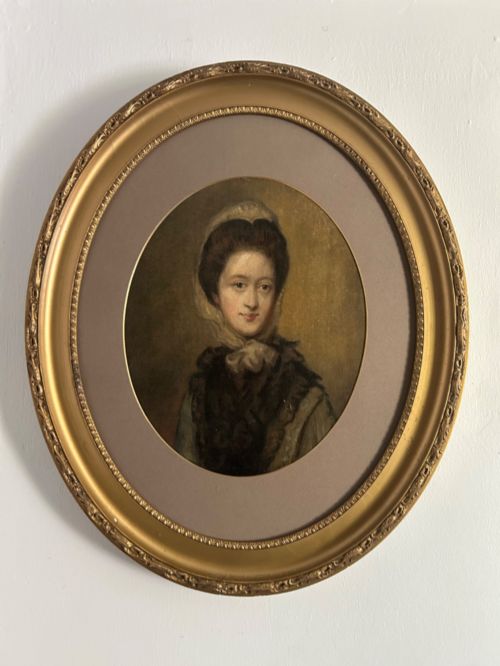
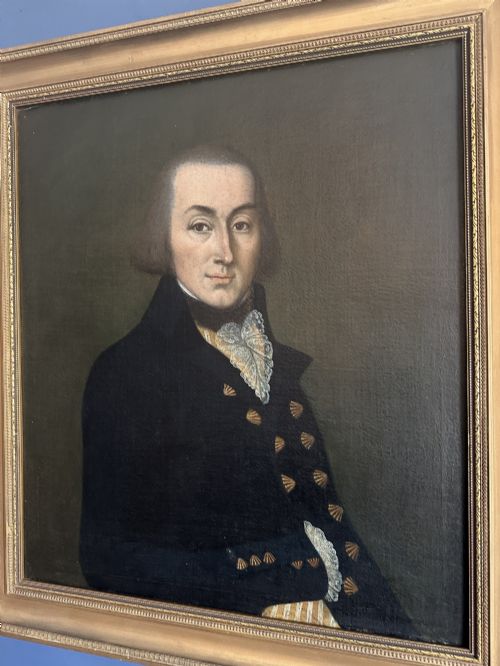
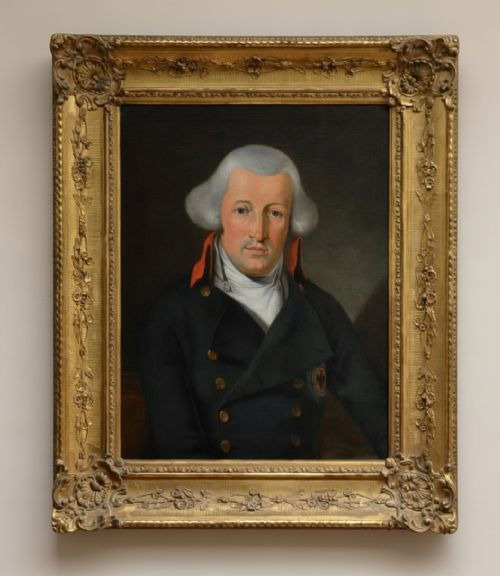
A late 18th century portrait captures the distinct likeness and character of an individual through oil paint, pastel, watercolour, or carved cameo.
Late 18th Century Portrait
A late 18th century portrait presents figures ranging from high-ranking officers and nobility to unnamed ladies and gentlemen, reflecting the Georgian era through varied regional schools.
Buyers encounter oil paintings on canvas and board alongside intimate portrait miniatures, delicate pastels, silhouettes, and carved marble cameo profiles.
French, English, Italian, Austrian, and Danish schools appear across the inventory, demonstrating diverse European approaches to portraiture during this period.
Materials and execution
Artists painted primarily with oil paint on canvas or wooden panel, utilising canvas supports for larger bust and half-length compositions.
Miniatures and works on paper incorporate watercolour, pastel, and pen and ink, frequently set behind protective glass.
Frames employ giltwood, gilt metal, and ornate plaster or gesso scroll mountings to house the paintings and profiles.
Listings feature oil paintings, watercolour, pastel, glass pictures, and carved marble cameos from eighteenth and nineteenth century periods.
Evaluating the standard
The preservation of the original medium, whether oil on canvas or delicate watercolour, influences the integrity of the piece.
The craftsmanship of the accompanying period frame, such as hand-carved giltwood or Florentine surrounds, contributes to the overall standing of the object.
William Grimaldi·Miers·Richard Cosway·Bartholomeus van Burgindis·Lemuel Francis Abbott
The Late 18th Century Portrait Glossary
- Portrait miniature
- A small, highly detailed painting executed on ivory, vellum, or card, designed for intimate viewing or portable display.
- Pastel
- A dry medium of powdered pigment bound into sticks, allowing artists to achieve soft textures and lifelike skin tones on paper.
- Cameo
- A method of carving a raised profile relief from layered stone or shell, frequently utilised during the Grand Tour for souvenir portraits.
- Silhouette
- A profile likeness cut from black paper or painted onto glass, popular for its striking simplicity and speed of execution.
- Giltwood
- Timber treated with a thin layer of gold leaf, used extensively for ornate period picture frames.
Late 18th Century Portrait: Frequently Asked Questions
What is a portrait miniature?
A portrait miniature is a small-scale painting produced with meticulous brushwork, often housed in a protective case or gilt frame.
These compact works allowed sitters to carry likenesses of family members during travel.
How do I identify a Georgian frame?
Georgian frames typically feature hand-carved wooden mouldings, gilt gesso finishes, and rectangular scroll motifs.
Original frames often complement the exact period of the painting they enclose.
What materials were used for these portraits?
Artists utilised oil paint on canvas and board, watercolour on paper, pastels, and carved marble for cameo profiles.
Supports varied from heavy woven canvas to delicate ivory sheets for miniatures.
Where were these European schools based?
European schools of this era originated in regional artistic centres across England, France, Italy, Austria, and Denmark.
Each region maintained distinct stylistic conventions for depicting sitters.