



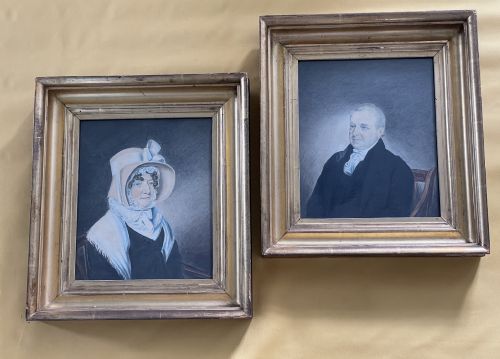


Pair of Portrait Miniatures
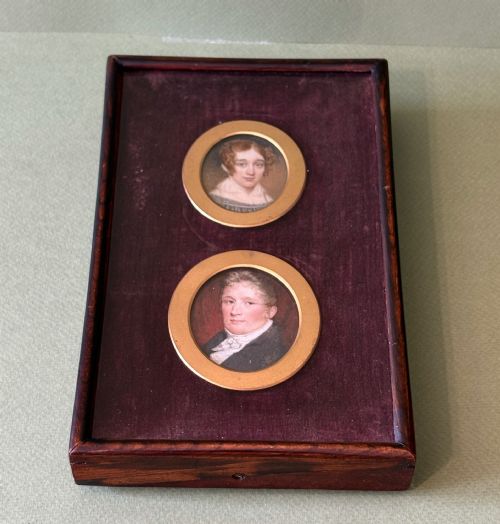
A pair of portrait miniatures offers twin likenesses in miniature, bringing intimate historical faces and personal domestic scales to your walls.
Pair of Portrait Miniatures
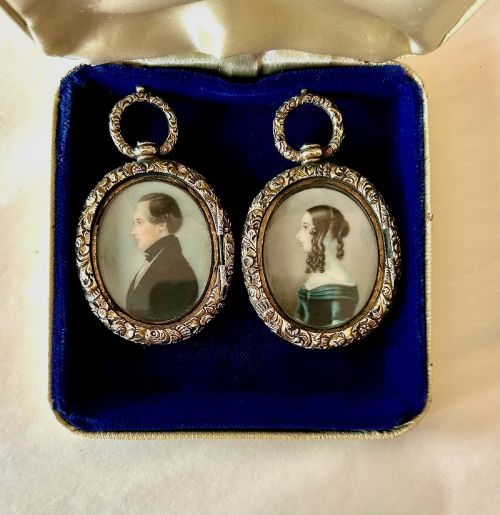
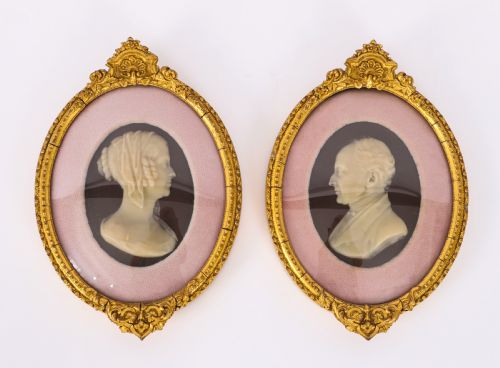
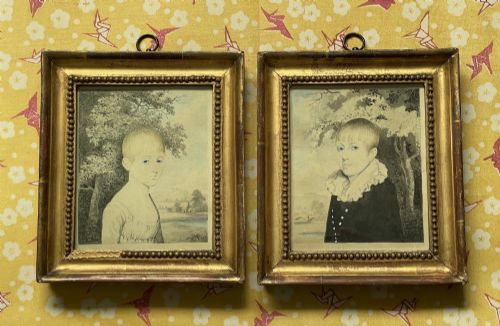
A pair of portrait miniatures represents dual likenesses executed on an intimate scale, spanning centuries of personal commemoration. When you search for a pair of portrait miniatures, you encounter works ranging from Georgian watercolours to Victorian silhouettes and wax relief profiles.
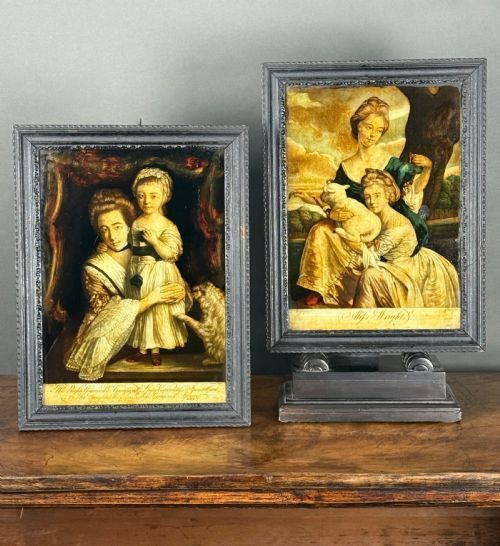
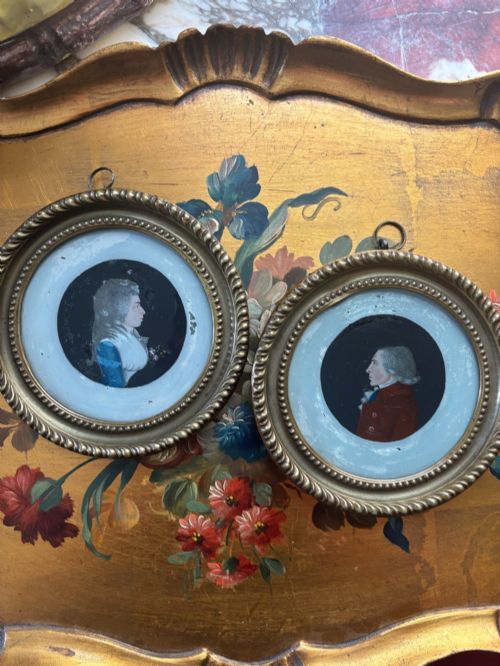
The evidence shows these pairings often depict family members, companions or historical personages set within matched frames. They materialise chiefly as watercolours on paper, glass reverse prints, enamel plaques and oil paintings on board.
Originating across British, European and American schools, these matched works capture subjects from children to nobility. They survive in formats designed for wall display or desk placement, retaining their original companion arrangement.
How They Were Made
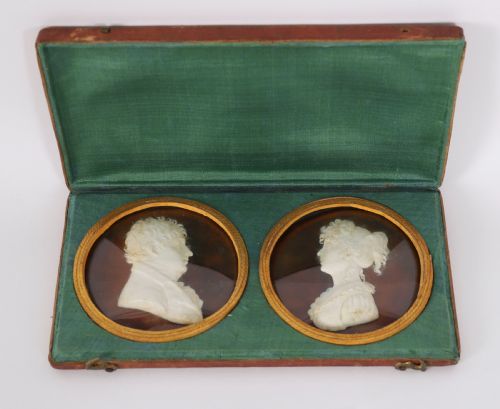
Makers utilised watercolour on paper, oil on board, enamel on metal and reverse glass techniques to achieve fine detail. Hand cut paper silhouettes and wax relief profiles further demonstrate the diverse artisanal methods employed in their creation.
Frames play an integral structural role, constructed from wood, brass, giltwood and papier mache to protect the delicate surfaces. Glazing and velvet backing mats frequently secure the miniature panels within their protective housings.
Pair of Portrait Miniatures Retail Price Guide 2026
Typical asking prices for pair of portrait miniatures among the pieces listed under this phrase on Sellingantiques today, from the lower quarter to the upper quarter. They describe what is for sale here now, not the wider market.
Listings feature works spanning the 17th, 18th and 19th centuries, utilising watercolour, enamel, glass, wax and paper.
What Varies in Quality
Execution skill defines the upper tier, where facial expression and fine brushwork display notable draughtsmanship. Hand painted watercolours and detailed enamel plaques achieve greater depth than printed reproductions or naive school works.
Material preservation and original framing integrity separate superior examples from altered pieces. Matched pairs sharing unified provenance and contemporary frames hold stronger integrity than assembled companion pieces.
James Sharples·Stobwasser·George Hargreaves·Thomas Woolnoth·K P M·Bartolozzi·Henry Edridge·J Bradley
The Pair of Portrait Miniatures Glossary
- Silhouette
- A solid dark profile portrait, usually cut from paper or painted black on a light background. This technique gained popularity during the eighteenth and nineteenth centuries for rapid likenesses.
- Reverse glass painting
- An artwork painted directly onto the back of a glass pane and viewed from the front. The technique protects the pigment and produces a glossy finish.
- Wax relief
- A sculptural portrait cast or modelled in tinted wax, often mounted against a dark velvet or fabric background. These three-dimensional pieces capture fine facial contours.
- Enamel plaque
- A smooth miniature painting fired onto a metal base such as copper. South Staffordshire workshops produced notable examples featuring glossy, durable surfaces.
- Companion pair
- Two distinct artworks created together to be displayed side by side. They typically depict related subjects, such as a husband and wife.
Pair of Portrait Miniatures: Frequently Asked Questions
What subjects do portrait miniatures depict?
The subjects range from family members and children to historical figures and nobility. Pairs often show husbands and wives or companion sitters.
Makers also recorded character studies, theatrical performers and classical philosophers alongside everyday folk sitters.
How were these miniatures displayed originally?
Owners hung them in small matched frames on domestic walls or placed them upon tables. Some examples functioned as portable keepsakes or snuff box decorations.
Protective glass and velvet linings preserved the delicate pigments and wax reliefs from atmospheric dust.
How do I date a pair of miniatures?
Stylistic clues in clothing, hair styles and framing materials help determine the period. Georgian works often feature soft watercolours, while Victorian pieces include silhouettes and detailed annotations.
Back annotations and signatures from artists or sitters frequently provide direct historical dates.
Are all portrait miniatures painted?
Many examples utilise watercolour or oil paints, but other techniques exist. Makers also employed wax relief, paper cutting, etching and enamel on metal.
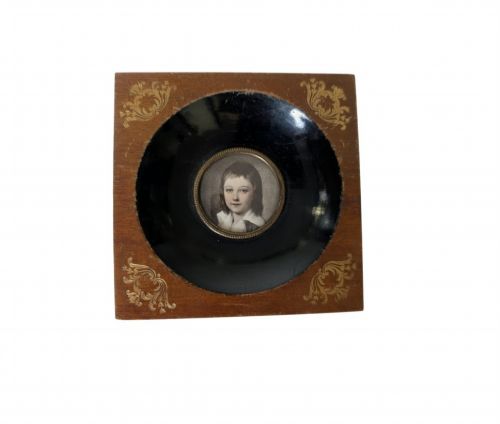
Printed reproductions mounted in period frames also appear alongside hand executed works.