

Black Ebonised Portrait Frame
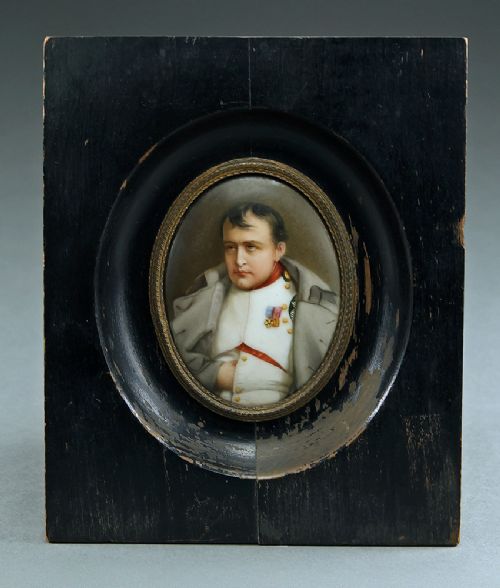
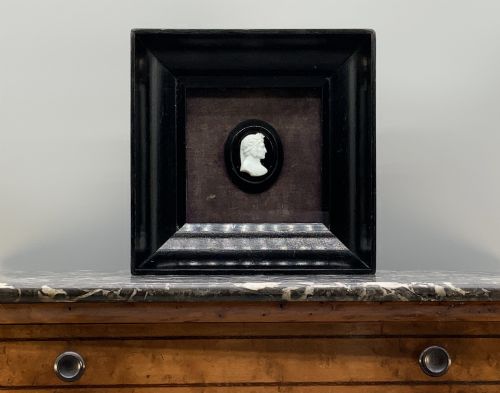
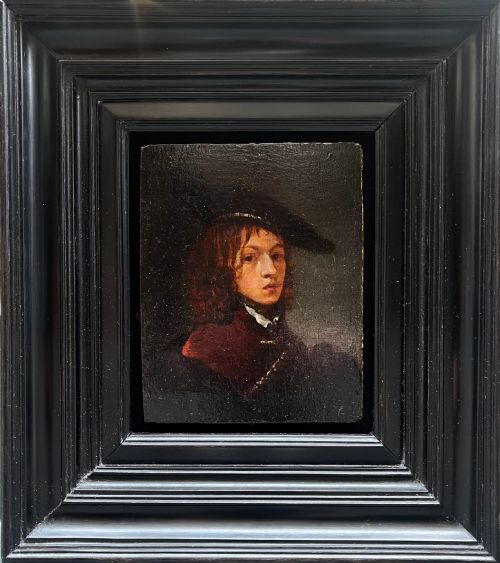
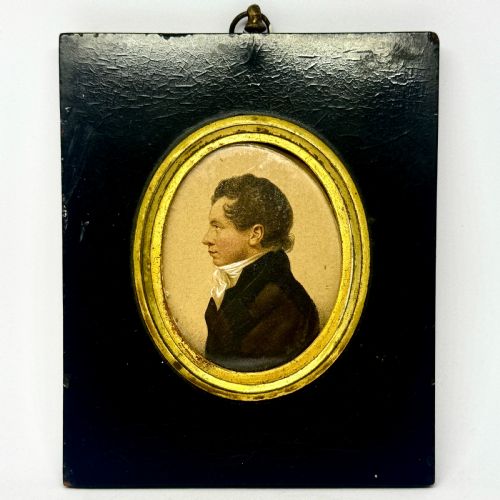
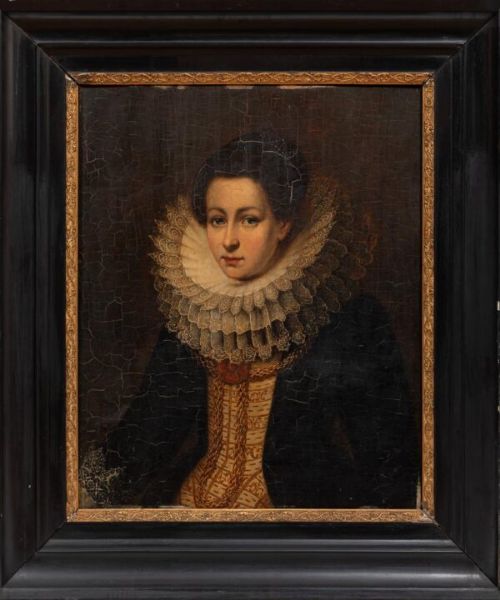
A black ebonised portrait frame brings quiet focus to a face, using dark wood to anchor the miniature or painting it holds.
Black Ebonised Portrait Frame
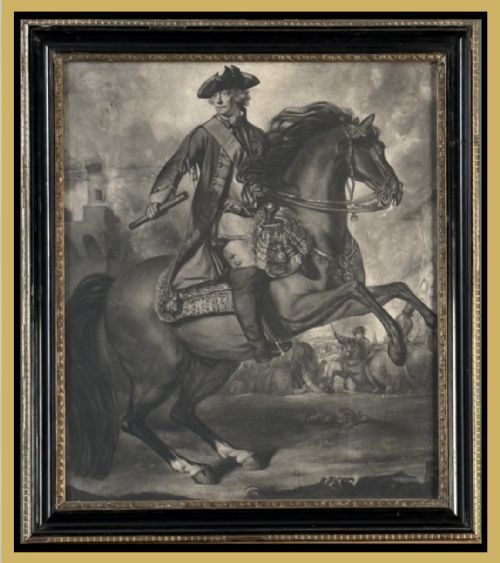
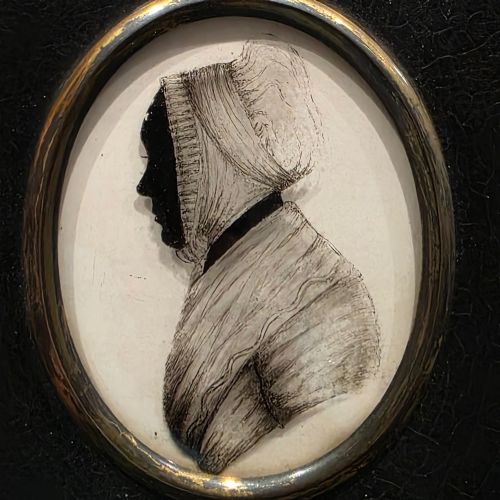
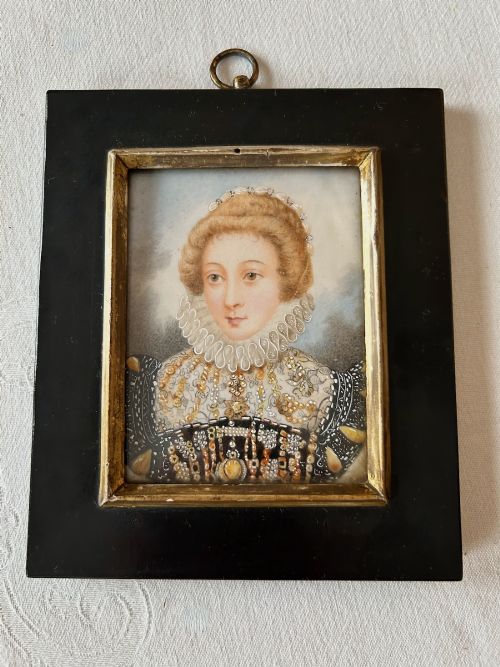
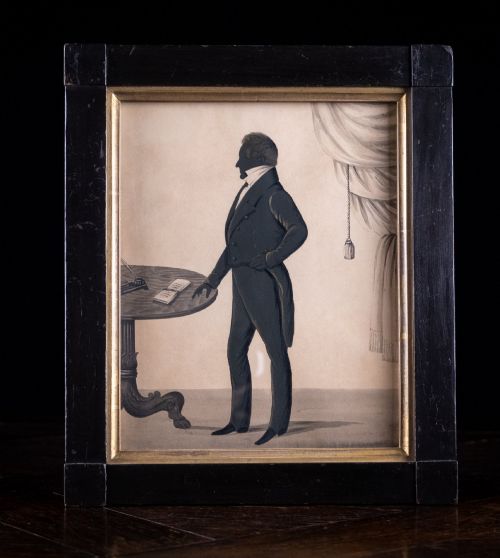
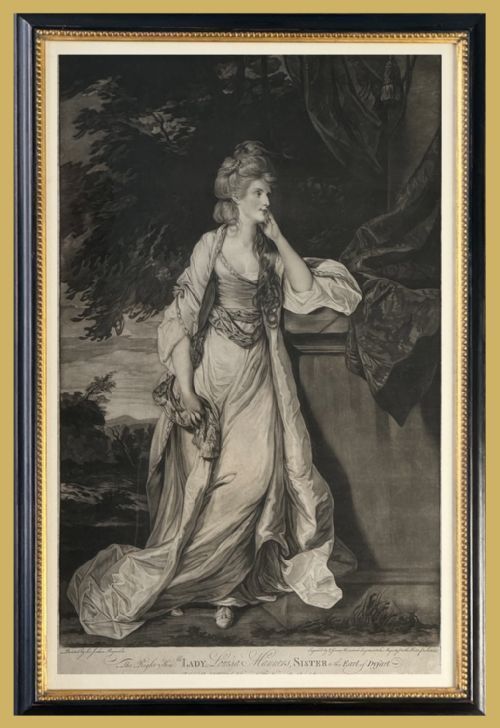
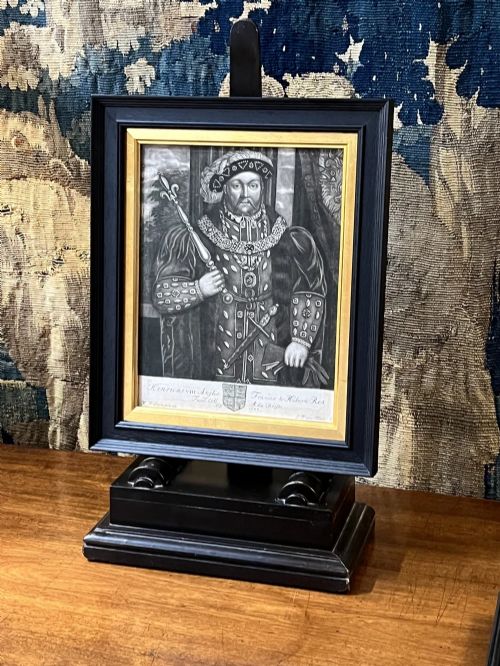
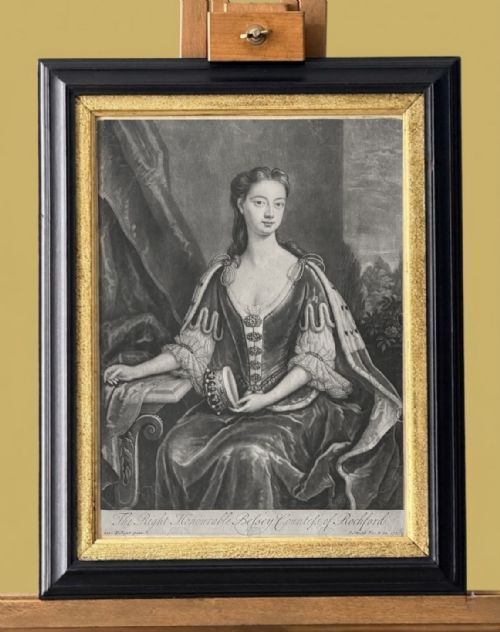
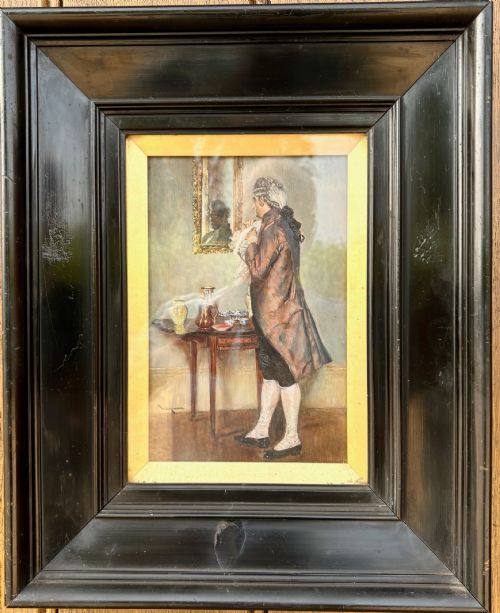
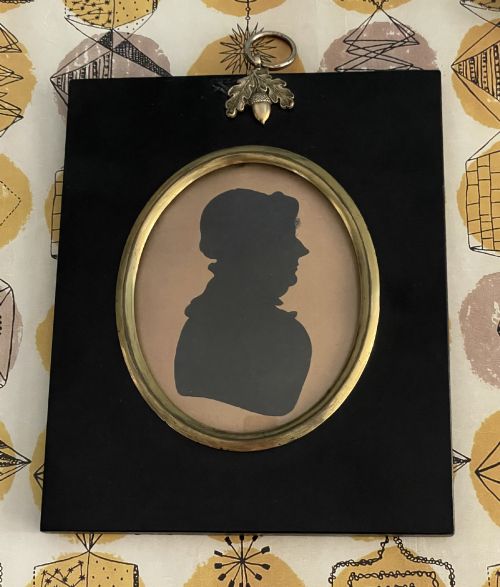
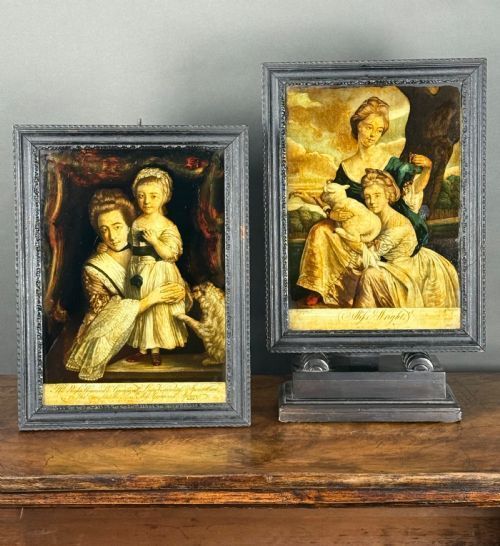
A black ebonised portrait frame surrounds works such as silhouette miniatures, watercolour studies, oil paintings and reverse glass prints. These pieces span the 17th, 18th and 19th centuries, drawing on Georgian, Regency and Victorian periods.
The most common form met here is the small, dark-bordered oval or rectangle designed to enclose a painted or printed likeness. These housings give prominence to subjects ranging from domestic children to nobility.
Makers utilised dark timber to create a stark contrast against lighter paper, ivory, card and glass surfaces. Such enclosures provide historical context for plumbagos, mezzotints and delicate silhouettes.
Materials and construction
Wood serves as the primary base, treated with dark stain or pigment to simulate expensive ebony. Craftsmen combined this ebonised timber with glass covers to protect fragile watercolours, pastels and paper cutouts.
Brass fittings, gold leaf accents and paper backings frequently appear alongside the wooden borders. These elements support the structure and add subtle highlights to the dark profile of the frame.
Several profiles capture children with wonderfully stubborn expressions fixed permanently in black wood.
Variations in quality
The depth of the black finish and the crispness of the moulding distinguish finer examples from simpler workshops. Superior pieces maintain an even surface tone without obscuring the grain or profile of the timber.
The integration between the frame and the enclosed artwork indicates the level of original care. Better specimens retain their initial glass, backing papers and internal brass hangers rather than modern replacements.
Edward Fisher·Sir Joshua Reynolds·Henri Fradelle·John Faber Snr·Hans Holbein The Younger·John Smith·James Ward·John Hoppner·Frans Hals·John Taylor·Thomas London·John Miers
The Black Ebonised Portrait Frame Glossary
- Ebonised wood
- Timber treated to resemble ebony through staining or painting. This process creates a dense, uniform black finish popular for portrait surrounds.
- Silhouette
- A portrait profile filled in with a solid dark colour or cut from paper. These likenesses often sit directly within ebonised wooden surrounds.
- Plumbago
- A delicate drawing executed in graphite. The term derives from the Latin for lead ore and describes detailed 18th-century portraiture.
- Reverse glass painting
- An artwork applied to the rear side of a pane so the image is viewed through the glass. This technique provides a glossy surface that complements dark frames.
Black Ebonised Portrait Frame: Frequently Asked Questions
What is an ebonised frame?
An ebonised frame is a wooden border treated with dark stain or pigment to imitate genuine ebony wood. This finish creates a dark, matte or polished appearance designed to contrast with the artwork.
Craftsmen used this technique across the Georgian, Regency and Victorian periods to give portrait miniatures and silhouettes a formal, striking presentation.
How do I date a black frame?
Dating relies on the profile shape, timber construction methods, and the type of glass or backing materials present. Earlier examples often feature hand-pulled glass and slender wooden profiles.
Later Victorian versions tend to have heavier mouldings and machine-cut components. The enclosed artwork or print often provides the most reliable date clue.
How should I hang these?
These pieces require secure picture hooks suited to their weight and the specific wall material. Because many are small, grouping several together on a wall creates a balanced display.
Keep them away from direct sunlight to protect vulnerable watercolours, paper silhouettes, and painted surfaces housed inside the glass.