

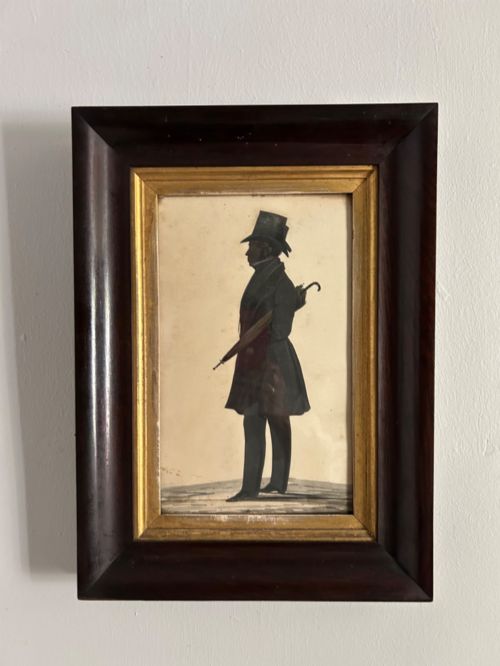


Antique Profile Silhouette Art
Antique profile silhouette art captures the likeness of past lives in stark monochrome, offering a direct, intimate encounter with Georgian and Victorian sitters.
Antique Profile Silhouette Art
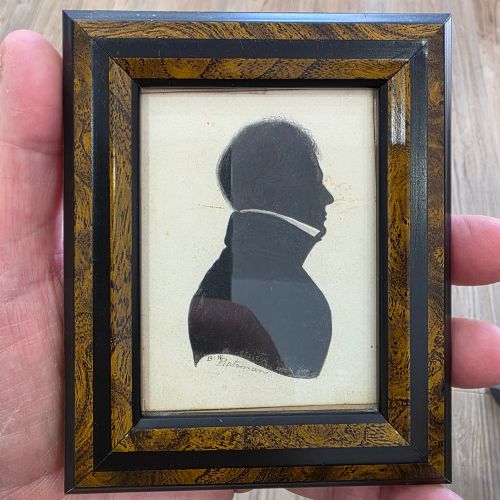
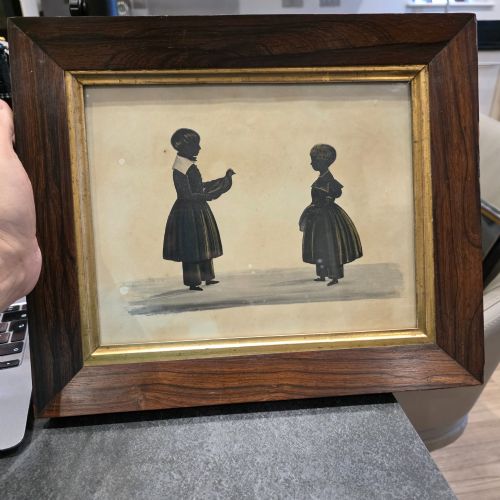
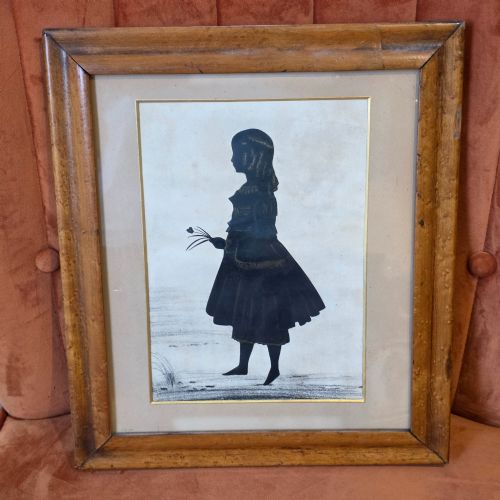
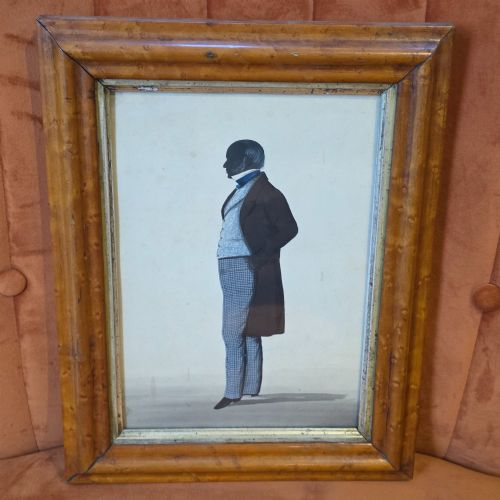
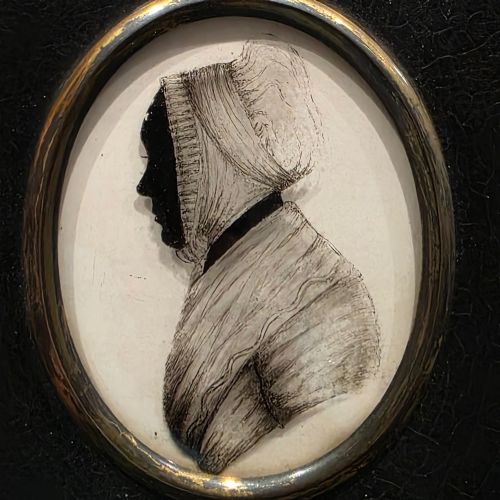
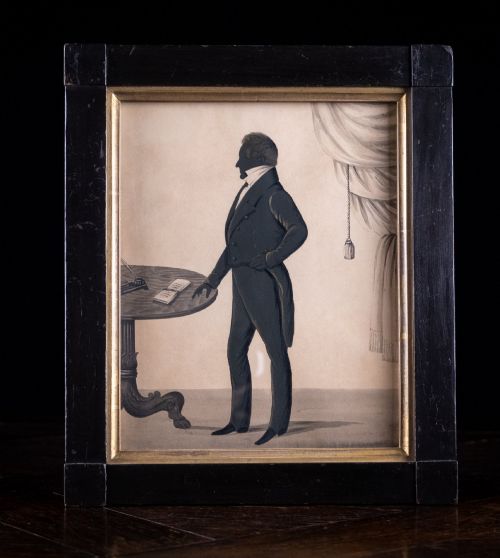
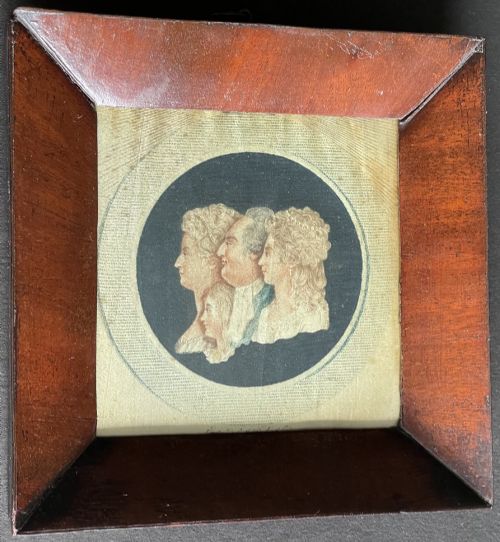
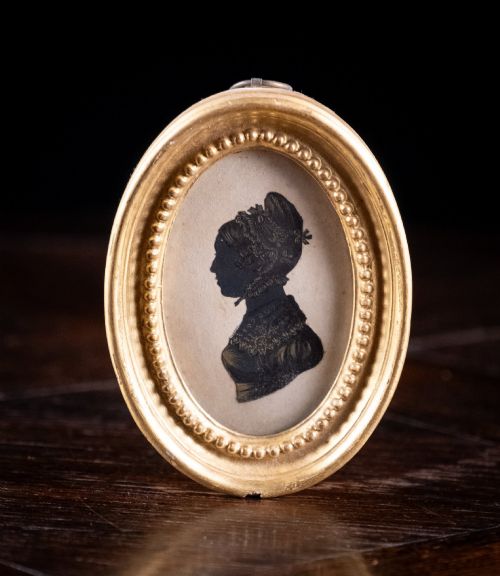
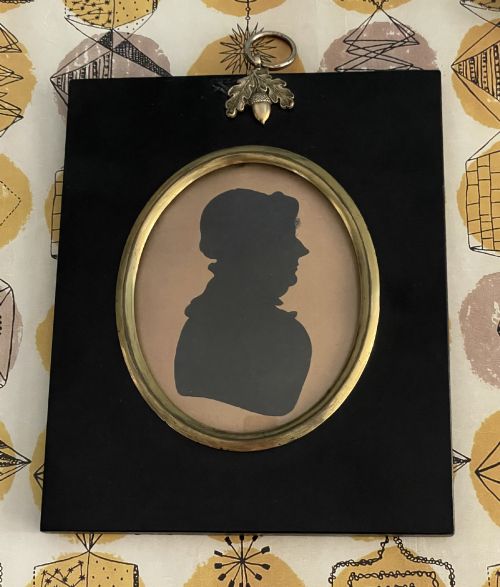
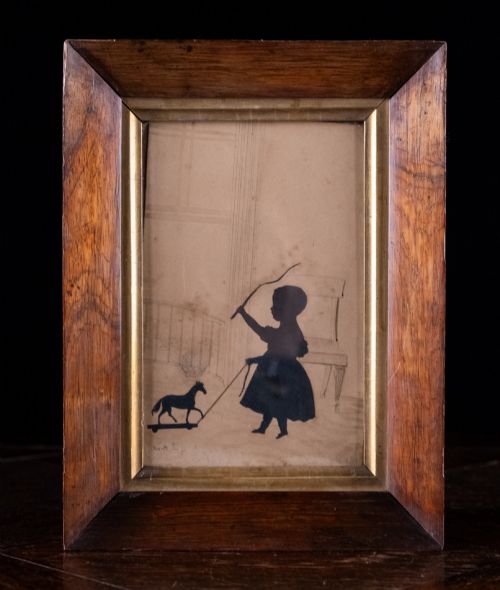
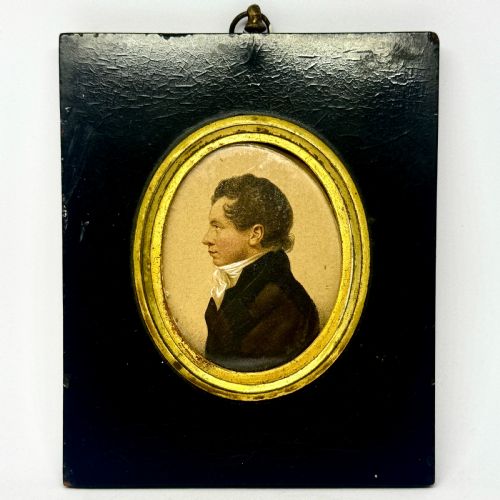
Antique profile silhouette art encompasses framed wall pieces, miniature portraits on glass or plaster, and conversation pieces depicting individuals, children, and animals. These works span the eighteenth and nineteenth centuries, taking shape during the Georgian, Regency, and Victorian periods.
Buyers encounter both cut-paper profiles and painted likenesses, often housed within ebonised wood, rosewood, or maple frames. The subjects range from solitary gentlemen and elegant ladies to family groups and pets, reflecting domestic life across multiple decades.
Materials and technique
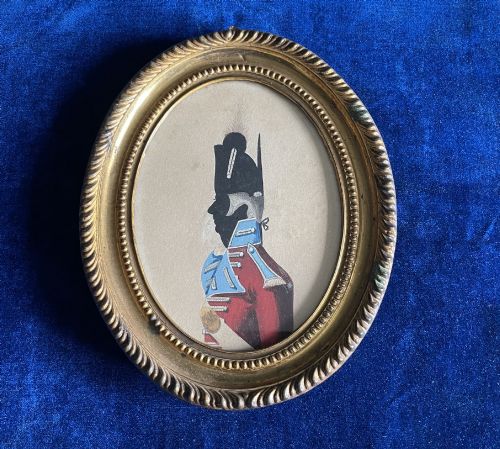
Artists utilised paper, glass, plaster, and silk as surfaces for ink, watercolour, and gold leaf application. Paper cut-outs were meticulously trimmed with scissors and mounted against contrasting backgrounds, while other pieces were reverse-painted directly onto glass.
Makers added depth through delicate pencilling, bronze powder, and gilded highlights to define collars, hair, and lace. Frames were constructed from timber such as rosewood and ebonised wood, protecting the delicate media within.
Listings feature works executed in ink, watercolour, glass, paper, and ebonised wood across Georgian and Victorian periods.
Standard and execution
Quality rests upon the precision of the cutting or the sureness of the brushwork, distinguishing hurried commercial output from master portraiture. Skilled artists captured telling anatomical details and facial expressions within a rigid profile.
The sophistication of the secondary decoration, such as fine bronze shading, period gilding, and original framing, elevates an ordinary likeness into a compelling historical document.
Bateman·Frith·Augustin Edouart·Hubard Gallery·John Miers·Royal Victoria Gallery·J. Deacon·Alfred Darbyshire·John Smith of Edinburgh
The Antique Profile Silhouette Art Glossary
- Silhouette
- A portrait profile filled in with a solid dark colour, usually black, against a light background. The term derives from Etienne de Silhouette, a French finance minister.
- Reverse painting on glass
- A technique where the artist paints the portrait on the rear side of the glass plate so the image is viewed through the transparent front. This method protects the pigment from dust and fading.
- Hollow-cut
- A method where the profile is cut out from a sheet of paper, leaving the surrounding paper to serve as the mount against a darker backing fabric.
- Conversation piece
- An artwork depicting a group of people engaged in a common activity, often outdoors or in a domestic interior.
- Ebonised wood
- Timber treated to resemble ebony, frequently utilised for dark, polished picture frames that contrast with gilded profile highlights.
Antique Profile Silhouette Art: Frequently Asked Questions
How do I date a silhouette?
Dating relies heavily on the sitter's costume, particularly hairstyles, neckwear, and hat styles such as turban caps. Frame types and backing materials also provide reliable chronological clues.
Written inscriptions on the reverse or signatures by known profile artists help narrow the production era to specific decades within the Georgian and Victorian periods.
Where should I hang these?
These works suit study walls, stairwells, or small galleries alongside other period framed art. Their monochrome palettes integrate smoothly with traditional and modern interiors.
Keep them away from direct sunlight to prevent the fading of delicate watercolours, paper, and silk backgrounds.
Are painted and cut silhouettes different?
Cut silhouettes involve physically snipping paper to form the likeness, whereas painted versions use ink or watercolour directly onto glass, card, or plaster. Both methods achieved high levels of detail.
Painted examples frequently incorporate fine gold leaf to articulate clothing texture and jewellery.
Why do some have gold highlights?
Artists added gilded touches, known as jewelling, to define buttons, lace collars, and hair ribbons on the dark profile. This technique introduced contrast and dimension to an otherwise flat image.
Such embellishments often indicate higher quality studio production rather than amateur work.