


Georgian Gentleman Profile
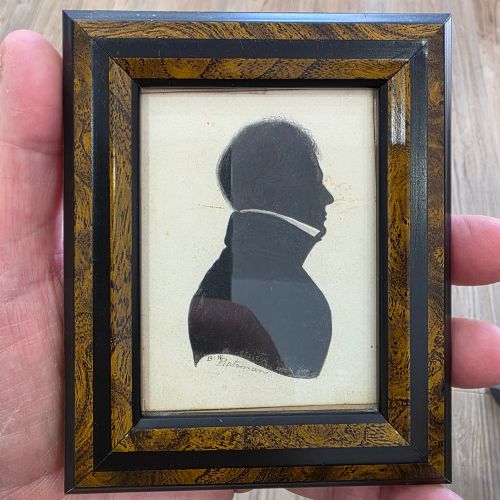
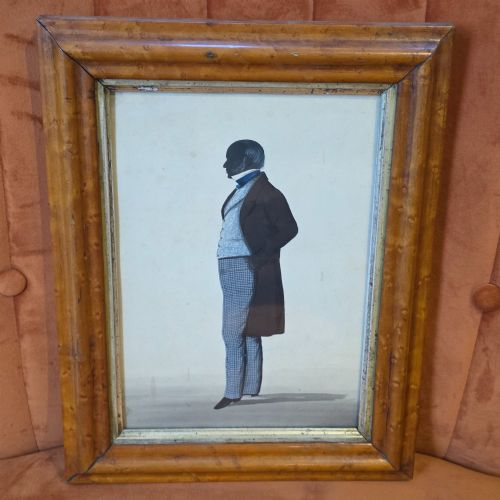
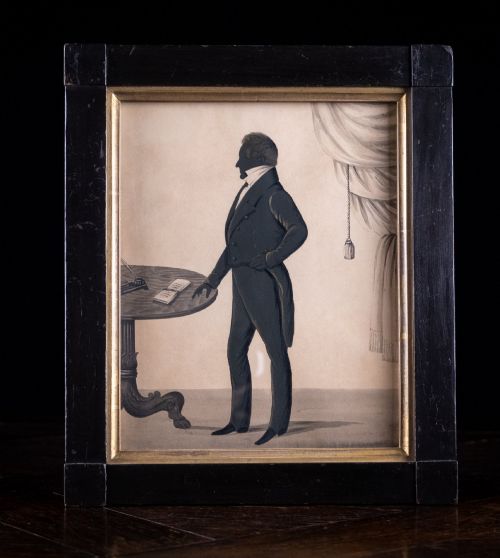
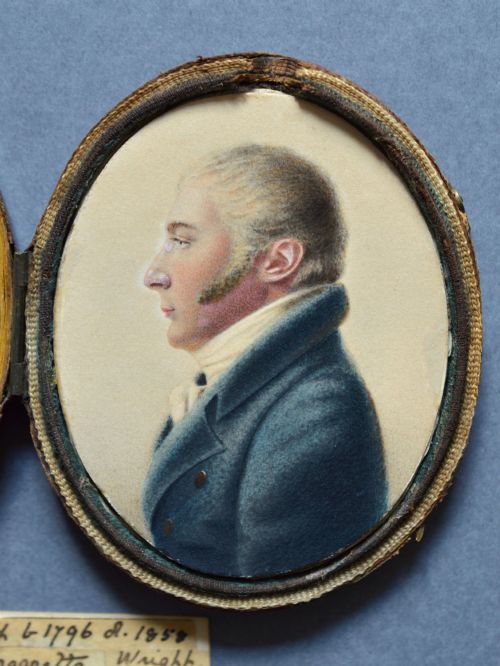
A georgian gentleman profile captures the distinct silhouette or likeness of a male sitter from the eighteenth or nineteenth century.
Georgian Gentleman Profile
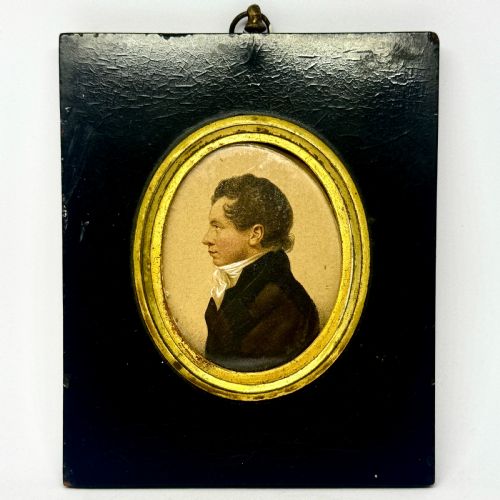
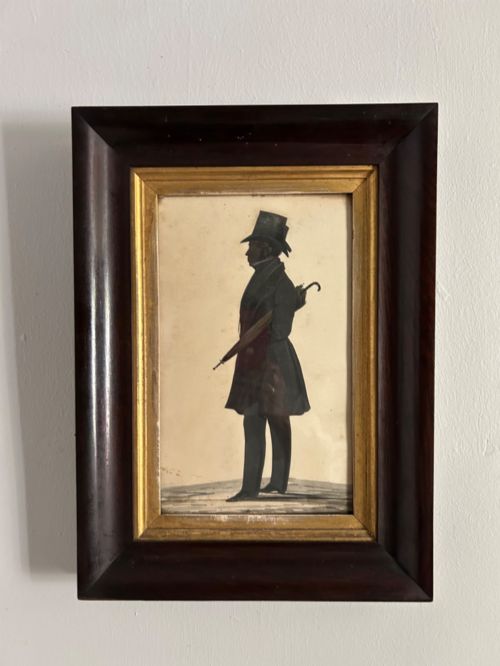
A georgian gentleman profile brings together framed artworks, silhouette portraits, and portrait miniatures depicting male sitters from the eighteenth and nineteenth centuries. These pieces appear across periods such as the Georgian, Regency, and Victorian eras, reflecting diverse artistic approaches from naive folk art to refined miniature painting.
Materials and construction methods
Makers utilised paper, ink, and watercolour for silhouette cut-outs and painted likenesses, often mounting these works within wooden or papier-mache frames behind glass. Some pieces incorporate gold leaf highlights to accentuate the profile, while others utilise brass settings for rings.
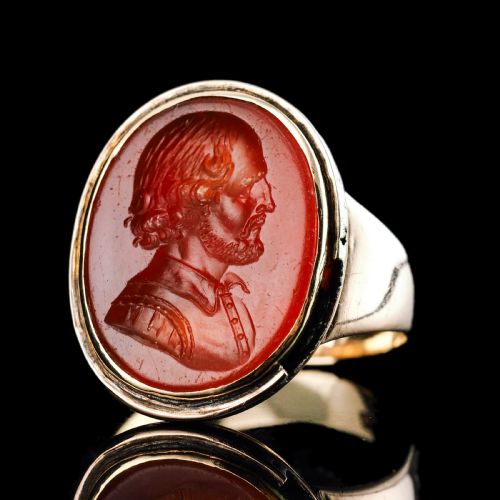
Oil on panel and pastel on paper provide richer tonal depth for eighteenth-century painted portraits. Intaglio rings carved into carnelian mounted in gold showcase small-scale craftsmanship from the nineteenth century.
Listings span the eighteenth century, nineteenth century, Regency, and Victorian periods, utilising paper, glass, wood, ink, brass, gold leaf, watercolour, and papier-mache.
Assessing quality in profile portraits
The precision of the cutting or brushwork largely determines the distinction between standard examples and superior works. Finely executed silhouettes demonstrate sharp lines and careful attention to the facial contours of the gentleman.
The condition of the original mounting, including glass and frame materials, influences the overall integrity of the piece. Signed works by recognised makers or documented sitters add historical significance to individual items.
Bateman·Hubard Gallery·Miers·Nathaniel Bermingham·Sir Nathaniel Dance-Holland
The Georgian Gentleman Profile Glossary
- Silhouette
- A solid dark profile image of a person, typically cut from black paper or painted on a light background. This technique gained immense popularity during the eighteenth and nineteenth centuries.
- Portrait miniature
- A small-scale painting or likeness, executed with meticulous detail on materials such as paper or panel. These personal items were often commissioned to commemorate family members.
- Intaglio
- A gem or stone carved deeply into the surface so that the design sits below the outer edge. Carnelian rings often utilise this method to depict a gentleman's profile.
- Pastel
- A medium consisting of powdered pigment combined with a binder, applied to paper to create soft-toned portraits. This method allowed artists to achieve subtle shading on eighteenth-century works.
Georgian Gentleman Profile: Frequently Asked Questions
How were portrait miniatures used?
Portrait miniatures served as intimate keepsakes that individuals could carry or display privately in homes.
They preserved the likenesses of family members or notable figures using detailed watercolour or oil techniques.
Where should I hang these artworks?
These framed pieces suit small wall spaces, hallways, or groupings alongside other historical portraits.
Direct sunlight should be avoided to protect delicate paper, watercolours, and ink from fading over time.
How do I identify the period?
Periods are identified through framing styles, mounting materials, and the specific clothing or hairstyles depicted on the sitter.
Eighty-century examples often feature naive folk art characteristics, whereas Regency and nineteenth-century pieces display refined cutting or painting techniques.