
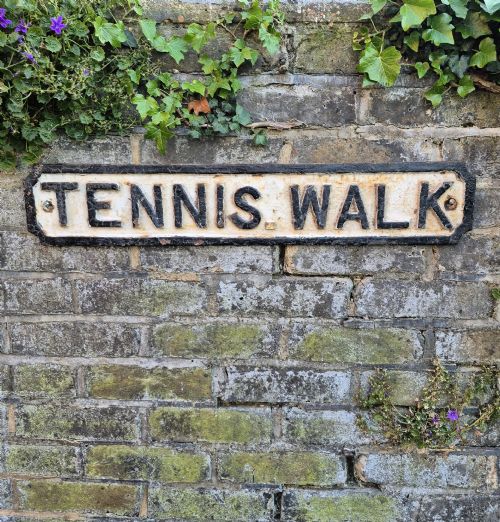



Vintage Street Sign
A vintage street sign brings the actual character of past towns and thoroughfares directly onto a wall.
Vintage Street Sign
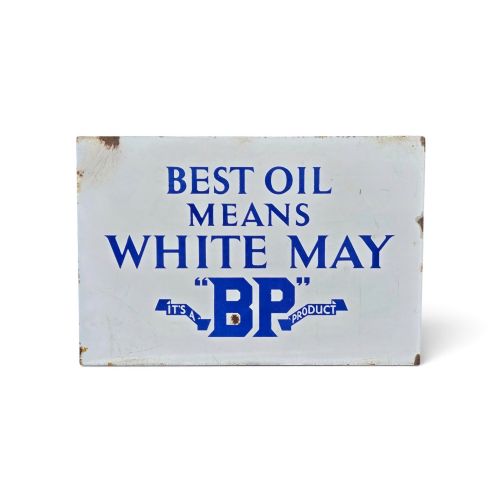
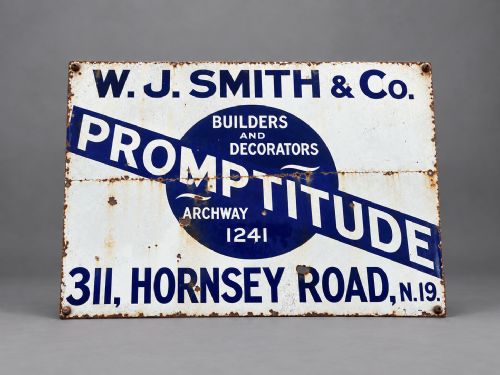
A vintage street sign encompasses practical public notices, direction indicators, and municipal markers that survived from past decades. These utilitarian objects served as essential town furniture before modern plastics and standardised aluminum replaced them.
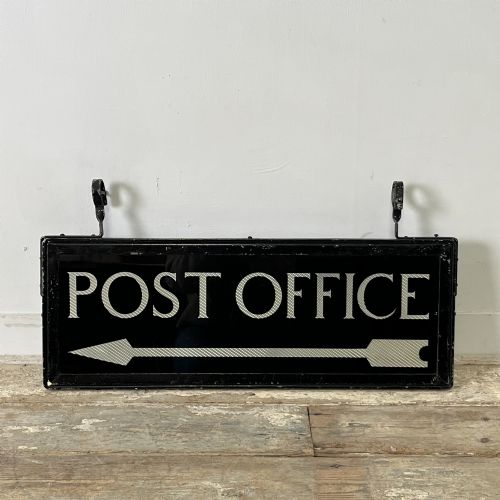
The versions most commonly met on this page span the Victorian era, the Edwardian period, and the early twentieth century up to the 1930s. They include heavy metal direction pointers, glass panels, and enamelled iron municipal plates.
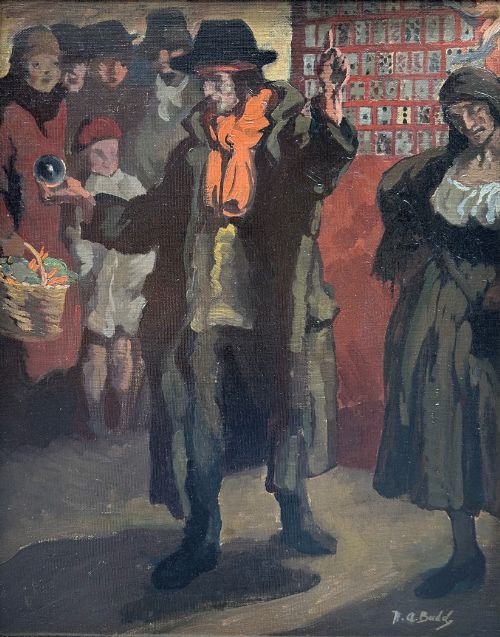
Beyond municipal markers, the selection also embraces street scenes captured in oils and watercolours alongside commercial advertising signs from the same eras. This mix reflects how artists and civic authorities alike recorded the built environment.
Materials and construction
Vitreous enamel fused onto heavy iron provided the durable surface required for outdoor municipal signage exposed to weather. This technique baked powdered glass at high temperatures, creating a glossy finish that resisted rust and fading for generations.
Cast iron and carved wood formed the solid foundation for older directional markers and heavy street plates. Artisans painted lettering directly onto these sturdy substrates using oil paints designed to withstand outdoor conditions.
Fragile materials such as glass and canvas appear in specialised pieces like double-sided direction indicators and framed paintings of urban thoroughfares. These delicate items relied on protective wooden framing and glass panels to survive indoor and protected outdoor use.
The documented periods stretch from the Victorian era through the Edwardian years and into the 1960s.
Judging the standard of survival
The integrity of the original surface finish dictates the primary distinction between ordinary examples and superior pieces. Enamel plates retain their glossy sheen and sharp typography when protected from heavy impacts, whereas weathering leaves dull patches and rust pitting.
Legibility and structural completeness separate robust survivors from heavily compromised fragments. Original mounting brackets, intact glass panels, and unpainted edges demonstrate whether a piece retains its complete historical context.
The skill of the maker shows in the crispness of the hand-painted lettering or the precise alignment of fired enamel typography. Superior items exhibit deliberate craftsmanship rather than hurried municipal utility.
The Vintage Street Sign Glossary
- Vitreous Enamel
- A material created by fusing powdered glass to a substrate by firing, typically at high temperatures. This produces a hard, durable, and chemically resistant coating ideal for exterior display.
- Cast Iron
- A group of iron-carbon alloys melted and poured into a mould to form complex shapes. It provided the heavy, rigid base for many nineteenth-century municipal signs.
- Vitriolite
- An opaque, pigmented structural glass popular in the early twentieth century for architectural signage and wall panels. It offered a sleek, glossy alternative to traditional painted wood.
- Double-Sided
- A configuration where lettering or imagery appears on both faces of a sign. This allowed pedestrians approaching from either direction along a street or station platform to read the message.
- Folk Art
- Artistic work created by people without formal training, often utilising conventional cultural motifs and local materials. These primitive paintings capture street scenes with direct, unpretentious observation.
Vintage Street Sign: Frequently Asked Questions
How were old street signs mounted?
Municipal authorities typically bolted heavy iron and enamel plates directly onto brick walls, stone facades, or dedicated wooden posts positioned at street corners. Directional signs often utilised iron brackets that allowed the marker to project outward from a building.
Indoor railway and postal variants used specialised ceiling hangers or wall hooks to secure glass and timber panels safely above pedestrian traffic.
Where should I hang a street sign?
These substantial metal and glass pieces require secure fixings into solid masonry or studwork capable of supporting considerable weight. Hallways, kitchens, and studies provide suitable indoor environments protected from excess moisture.
Ensure placement avoids areas prone to accidental impacts, particularly with heavier cast iron or glass items that demand robust wall anchors.
How do I clean an enamel sign?
Gentle washing with warm water and mild soap removes accumulated surface dust without harming the fired glass surface. Avoid abrasive scouring pads or harsh chemical solvents that can dull the enamel or lift old paint.
Pat the metal thoroughly dry afterwards to prevent moisture settling into any exposed edges or mounting holes.
Are these signs weatherproof?
Original municipal signs were designed to withstand decades of exposure to rain, wind, and sunlight through durable vitreous enamel and oil-based paints. However, centuries of weathering often leave underlying iron vulnerable to active rust.
Most surviving examples benefit from indoor display where stable humidity prevents further degradation of the historic materials.